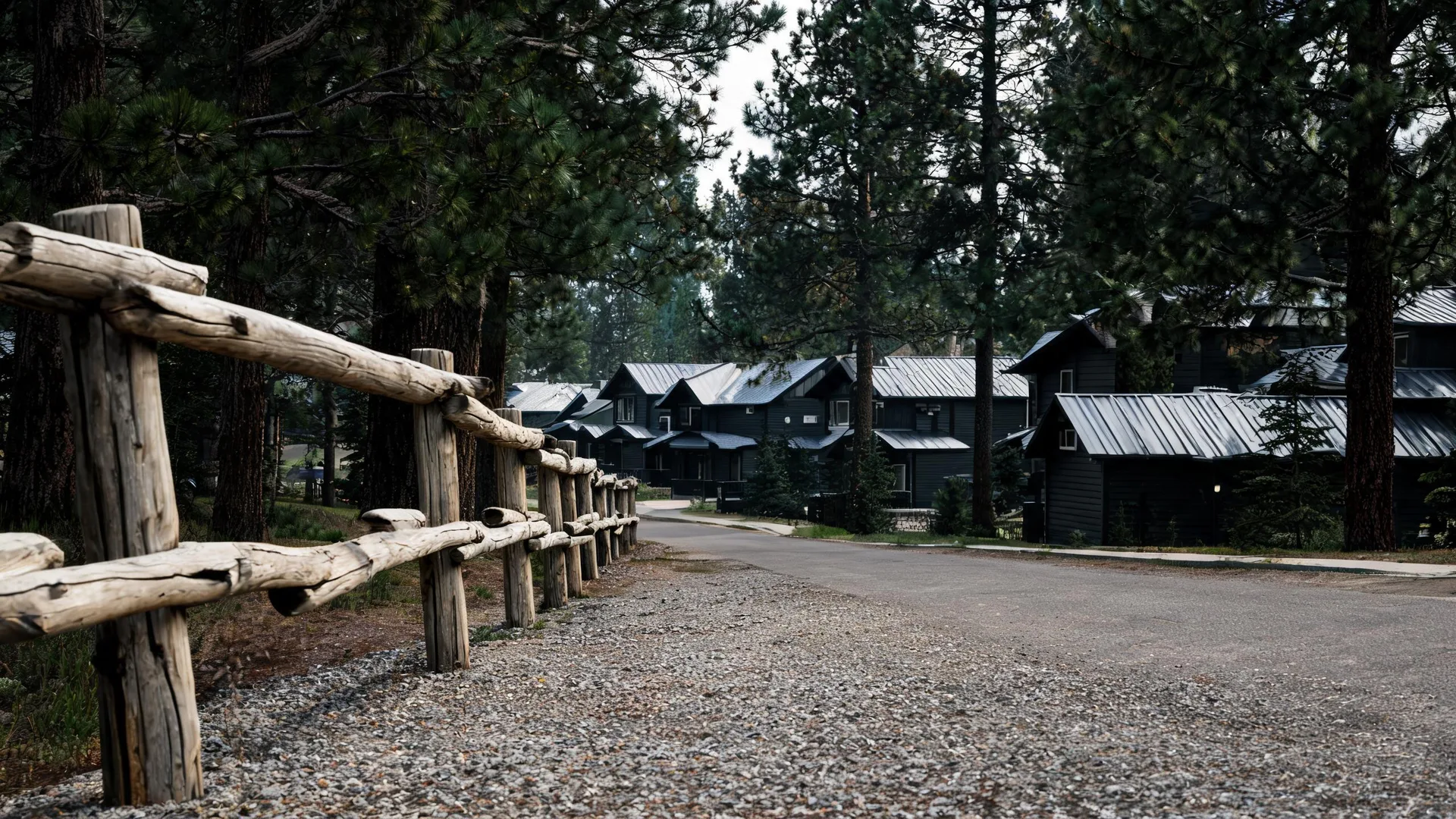


A gravel road bordered by a rustic log rail fence leads past dark-sided houses with metal roofs among tall pine trees.

Furnace Maintenance in Lewistown, MT

Tell us about the job

Takes about a minute. No obligation.

Tune-up, service, or cleaningFurnace or heatingFergus County, MT
Step 1 of 2

What ZIP code is the job in?

Furnaces in Fergus County run from September clear through June. That's ten months of the year the burner and blower are working, not just a few weeks in the dead of winter. Every one of those months means more cycles on the igniter, more starts on the blower motor. A furnace that only had to carry a couple of months would see a fraction of that work. The same wear any furnace takes happens here on a shorter clock, and it can show up as a weak flame sensor or a slow-starting blower before the season's even over.

Almost half the homes in Fergus County heat with gas furnaces.

That burner and its venting need a real inspection, not just a clean filter.

Ten months of heat start with one September

Heat runs September through June
Winter nights average 14°F
Climate zone 6B

Ten months of run time is a long stretch to go unchecked

A tune-up before September catches a weak flame sensor or a slow-starting blower while it's still a small fix. Once the burner's running daily through the winter, there's less room to get ahead of it.

Find a contractor
A person in a dark long-sleeve shirt and tan work pants, seen from behind, carries a canvas tool bag while stepping up porch stairs toward a dark blue front door.
A gray residential gas furnace installed in an unfinished basement, connected to sheet-metal ductwork and PVC pipes.

An older house asks more of this check

Half the homes in Fergus County were built in 1966 or earlier. A furnace gets swapped out long before a house does, so the furnace itself may be newer than the house it sits in. What usually doesn't get replaced along with it is the ductwork and the venting. A yearly check looks at how this furnace is actually drawing and venting in that house, not just whether the burner lights.

A real inspection opens the cabinet

A thorough tune-up pulls the burner assembly and looks at the flame itself, checking its color and shape instead of just that it lights. It checks the heat exchanger for cracks, tests the flue draft, and measures gas pressure at the manifold. The blower wheel comes out for cleaning if it's caked with dust, since a dirty wheel throws off airflow across the whole system. A quick visit skips most of this and checks only that the furnace fires and blows warm air.

What gets skipped is what fails later

A cracked heat exchanger or a weak flame sensor won't show up as a problem on the day of a quick check. They show up a few weeks later as a furnace that shuts off mid-cycle or trips a safety switch. The parts most worth checking are the ones that fail quietly, not the ones that are obvious when the furnace is running right in front of you.

A furnace usually tells you something before it quits outright. A burner flame that used to burn steady blue and now flickers yellow at the tips is burning dirty, and that same flame can point to a cracked heat exchanger before anything else does. Short cycling, where the furnace fires up and shuts off again within a few minutes, often means a flame sensor too coated to hold a signal or a blower motor overheating under its load. A burner that takes a couple of tries to catch, instead of lighting on the first click, usually has a weak igniter behind it. Rattling from the cabinet when the blower kicks on is worth a look too, since a loose or unbalanced blower wheel wears the motor bearings faster than normal. None of these stop the furnace cold right away. They're the furnace asking for a look before one of them does.

Furnaces here share the yard with an outdoor meter and gas line, and both sit exposed to whatever the weather does. Fergus County logged 223 severe weather events between 2015 and 2024, and damaging wind accounted for 147 of those. Wind drives debris into vents and meter housings. Hail hit 48 times in that same stretch, and 28 winter storms brought the kind of snow and ice that can bury a vent or crack a line coated in it. None of that is about the furnace itself, but a blocked vent or a damaged line outside will stop a furnace that's otherwise fine. Statewide, 18% of Montana households lost power for a day or more in 2024, and a furnace with electronic ignition won't fire without it. Worth a look at the exterior venting and gas connections before the season starts, not just the burner inside.