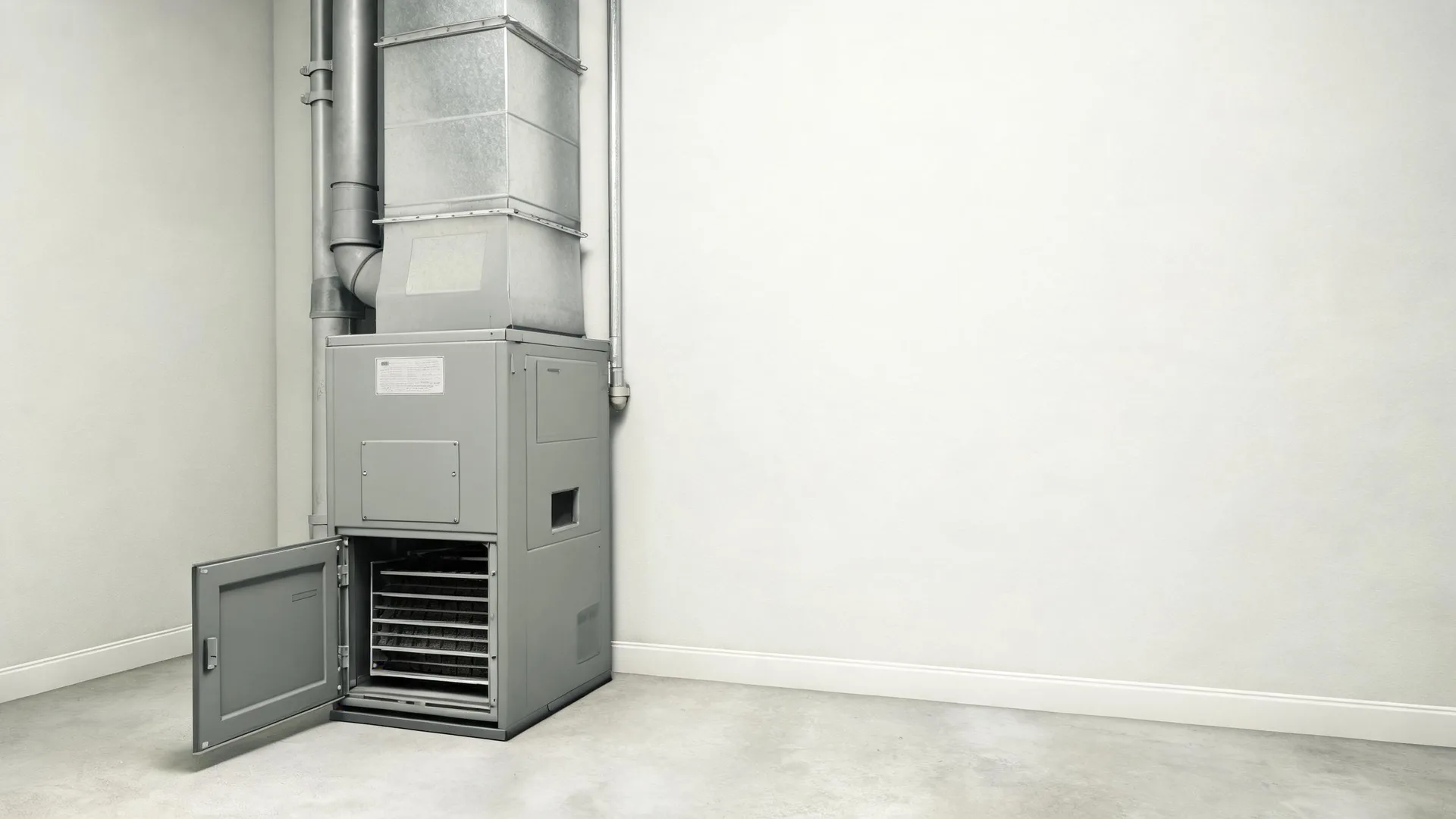
Gas here isn't cheap
Montana homes paid $7.77 per million Btu for natural gas in 2024. A furnace working harder than it needs to burns through more of it, and that shows up on the bill every month of winter.
Takes about a minute. No obligation.
Montana homes paid $7.77 per million Btu for natural gas in 2024. A furnace working harder than it needs to burns through more of it, and that shows up on the bill every month of winter.
A clogged filter or a dirty burner makes your furnace run longer to heat the same house. Longer runtime on gas priced the way it is here means a tune-up has a real chance to pay for itself.
Furnaces in Gallatin County start running in September.
Book the tune-up in August, before the first cold month puts it to work.
Gas heats 55.2% of the homes in Gallatin County, more than electricity and propane combined. That means most furnaces in this county have a burner, a flue and a gas valve, not just a heating element. A tune-up on one of these checks the burner flame, the venting and the safety controls that shut the gas off if something's wrong. A dirty burner doesn't just waste gas, it can burn unevenly and throw more carbon monoxide into that venting. Electric furnaces skip most of this, but they're the minority here. If yours runs on gas, the tune-up is doing more than cleaning a filter.
A furnace burning more gas than it needs to has a real shot at paying that back. The tune-up is what gets it burning clean again before winter asks more of it.
Find a contractorSeptember through June, this furnace is running. That leaves two months a year it gets to sit idle. Most of the country gives a furnace a longer break than that, and the break is when a burner and an igniter get to rest instead of cycling. Gallatin County also saw 124 winter storms between 2015 and 2024, so the stretch when this furnace works hardest is also the stretch with no slack built in. A furnace on that kind of schedule shows wear in the burner and flame sensor sooner than one that only runs half the year. Checking those parts before September is what catches that wear while it's still a quick fix.
A furnace that fires up, runs a short while, then shuts off before the house warms is short cycling. Sometimes that is a dirty flame sensor failing to prove the flame is lit. Sometimes it is a clogged filter choking airflow until a safety switch trips. Either way the burner is starting and stopping more than it should, and that wear adds up over a winter.
A furnace that used to run quiet and now bangs, rattles or squeals is telling you something wore loose or dry. A clicking igniter that takes several tries to catch means it is on its way out. Waiting on these sounds usually means waiting for the day it does not start at all, on the morning you need it most.
The filter is the one thing worth checking without calling anyone. Pull it out, hold it up to a light, and if you can't see through it, swap it. A furnace starved for air runs longer and gets hotter inside the cabinet than it should, and that heat is hard on the igniter and the heat exchanger over time. Keep anything that blocks a vent or a return grille away from it, since a closed-off room can starve the whole system the same way a dirty filter does. Beyond that, leave the burner, the flame sensor and the gas valve alone. Those take a meter and some training to check safely, and opening up the cabinet yourself risks missing a crack or a leak you wouldn't know to look for.
This furnace shares the house with an outdoor condenser, and that unit sits outside through everything the weather does here. Gallatin County logged 229 severe weather events between 2015 and 2024, and 124 of those were winter storms with heavy snow, ice or blizzards. Wind hit 77 times in that same stretch, enough to throw branches and debris into an outdoor unit's coil and fins. Hail came through 28 times. None of that touches the furnace itself, but a tune-up usually includes a look at the whole system, and a coil packed with debris or bent fins from hail makes the outdoor unit work harder once summer comes back around. Statewide, 18% of Montana households lost power for a day or more in 2024, and a furnace with a standing pilot keeps working through that while one with an electric igniter won't fire until the power is back.