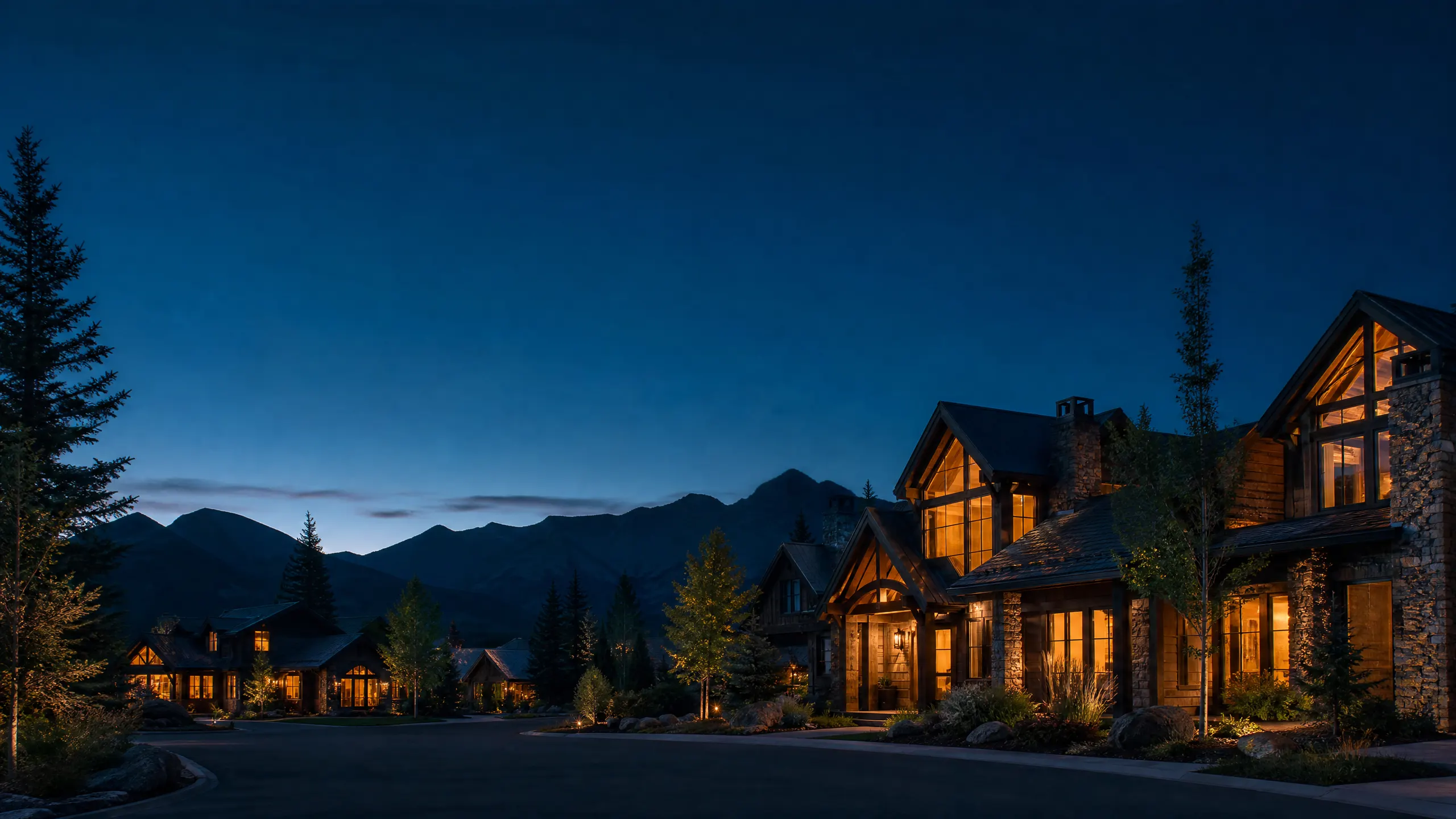



Illuminated stone-and-timber mountain homes line a quiet street at dusk, with evergreen trees and a mountain range in the background.

Furnace Maintenance in Kalispell, MT

Tell us about the job

Takes about a minute. No obligation.

Tune-up, service, or cleaningFurnace or heatingFlathead County, MT
Step 1 of 2

What ZIP code is the job in?

Furnace here runs about eleven months a year, from August clear through June. That's most of the calendar spent heating, not just a few cold weeks. Overnight lows average 17°F across December, January and February, so the burners are working against real cold, not a mild chill, most nights they run. Flathead County has also seen well over a hundred winter storms in the past decade, heavy snow and ice that can knock the power out and push a furnace to run longer once it's back on. A furnace carrying that kind of season wears its parts sooner than one that gets an easy spring and fall. The igniter or the blower motor can start to go before anyone notices, right up until the night it doesn't come on.

Utility gas heats 43.4 percent of homes in Flathead County, more than any other fuel.

A gas furnace needs its burner, flame sensor and venting checked every year, not just a new filter.

Book it in July, before heat startsHeat starts running again in August and keeps going through June.

Half the homes in Flathead County were built in 1991 or later, so a lot of furnaces here haven't put in that many winters yet. A newer furnace still wears the same way, just slower, and a yearly check catches the igniter or blower motor losing strength before it leaves you without heat on a cold night. Mobile homes are part of that housing stock too, and those furnaces are worth the same yearly look. Catching small wear early is what keeps a furnace running its full working life instead of cutting it short.

Check it before the season

It works hard here, so worn parts show up fast once the season starts. Get it checked before then.

Find a contractor
A man in a dark long-sleeved shirt and brown pants walks up concrete steps toward a dark blue front door, carrying a canvas tool bag with tools in it, beside a potted shrub.
A gray residential gas furnace installed in an unfinished basement, connected to sheet-metal ductwork and PVC pipes.

Little downtime to catch it in

Eleven months of runtime does not leave much of a gap to work with. A furnace that comes off June still running and gets asked to start again in August is not getting a real rest, just a pause. That is the window a yearly check has to fit into. Book it before August and a worn igniter or a weak blower motor gets caught while the furnace is sitting idle, not on a night when it is 17 below and needed.

Change the filter yourself

A dirty filter chokes airflow across the heat exchanger and makes the blower work harder to push air through. Look at it every month and swap it when it looks gray and clogged, not on a fixed schedule. A furnace breathing through a clean filter runs cooler and lasts longer between visits.

Know what not to touch

The igniter, flame sensor and burner assembly are not something to clean or adjust yourself. Opening the furnace cabinet to poke at them can crack an igniter or knock a sensor out of position. Keep the area around the furnace clear of boxes and clutter, and leave what's inside the cabinet for the yearly check.

Skip the yearly check and nothing fails right away. What happens instead is slower. Dust builds up on the flame sensor until it stops reading the flame right, and the furnace starts shutting itself off mid-cycle because it thinks the fire went out. The burners stay dirty and start combustion a little dirtier than they should, which leaves soot where clean metal ought to be. A blower motor running a little weak doesn't get noticed, it just quietly moves less air each month until rooms stop heating evenly. None of this announces itself. It just adds up until the furnace can't push through anymore, usually on the coldest night it's seen all year, because that's when it's working hardest and has the least room left to fail in.

A technician checking a furnace is looking past what the thermostat tells you. Flame color says whether the burners are cutting through fuel clean or leaving residue behind, and that residue builds toward a cracked heat exchanger over time. Amp draw on the blower motor shows whether it is still moving the air it was built to move, or straining to do what it used to do without effort. The flame sensor gets tested for how fast it recognizes the flame, since a sensor that is slow to respond is a sensor partway to failing outright. None of this shows up as a symptom you'd notice from the thermostat or a room that feels colder than it should. It shows up as a reading that is drifting off from where it ought to be, caught months before it becomes the reason the furnace won't start.