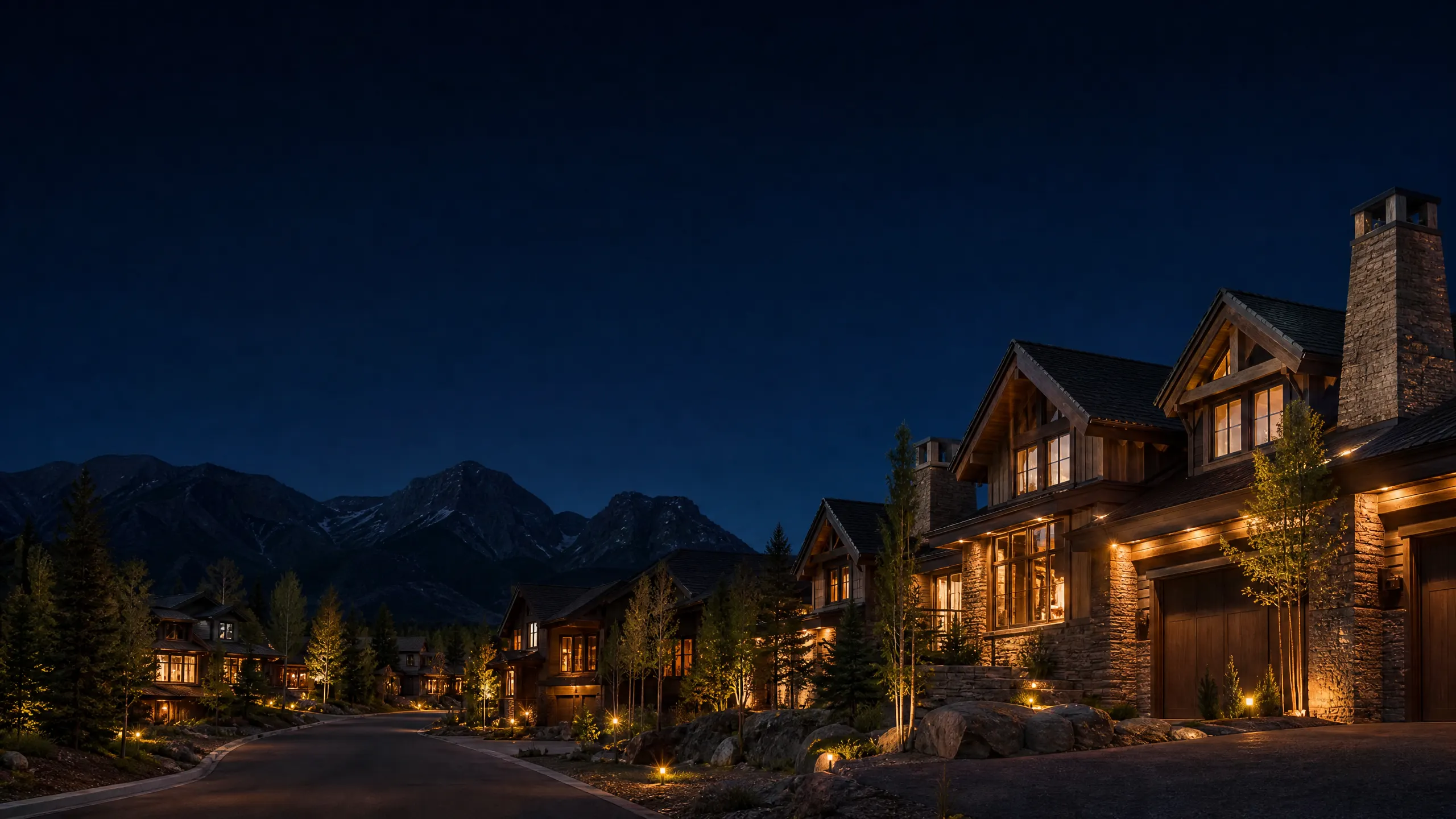


Illuminated timber-frame and stone houses along a residential street at night, with snow-capped mountains visible in the background.

Furnace Maintenance in Livingston, MT

Tell us about the job

Takes about a minute. No obligation.

Tune-up, service, or cleaningFurnace or heatingPark County, MT
Step 1 of 2

What ZIP code is the job in?

Your furnace runs every month of the year here, not just the hard months. Overnight lows average 13°F through December, January and February, so once it kicks on during those nights, it stays on. Park County has seen 175 winter storms, heavy snow, ice, blizzards, between 2015 and 2024, and each one means the furnace is running flat out while the wind works against the house. That kind of steady demand wears an igniter or a blower motor faster than it would somewhere milder. A part that's thinning out doesn't always show it right away. It shows it on the coldest night, when you need the furnace most.

Winter storms hit Park County 175 times between 2015 and 2024, and damaging wind another 120.

A furnace tune-up should include a look at the outdoor venting and intake, not just the burner.

Half the homes here were built since 1980, young enough for yearly care to matter

Half the homes here were built by 1980
Climate zone 6B
Winter nights average 13°F
This Runs Up a Bill Faster HereMontana gas ran $7.77 per million Btu in 2024, and a neglected furnace burns more of it to do the same job.

Gas heats more homes in Park County than anything else, 44.1 percent, with another 18.5 percent running on LP tanks. That's most of the county on a burner and a flue, not a heating element. A gas furnace has to light clean, vent the exhaust out of the house, and confirm that venting before the gas valve opens at all. A tune-up on one of these should check the flame and the pressure switch, not just swap a filter. When one of those parts drifts out of spec, the furnace is built to shut itself down rather than run unsafe, usually on the night you need it most.

Have It Checked Before It Has To Work

Your furnace doesn't get a season off here. Get it checked before the next storm asks more of it than a worn part can give.

Find a contractor
A gray gas furnace with attached ductwork and piping installed in an unfinished concrete basement.

A Newer Furnace Still Needs the Yearly Look

Half the homes in Park County were built in 1980 or later, so a lot of these furnaces still have years of work ahead of them. A yearly check is what keeps a system that young from losing those years early. Catching a weak igniter or a cracked heat exchanger while it's still a cheap fix is a different job than replacing a furnace that quit on a cold night. The clip beside this is the same furnace running day into night, over and over. A newer system can keep that up for a long time if someone looks at it once a year.

Dirt Is the Starting Point

A dirty flame sensor stops reading the pilot flame correctly, and the control board shuts the gas valve as a safety measure. A clogged burner port burns dirty and uneven instead of a clean blue flame. Neither failure happens all at once. The buildup sits there for months, a little worse each time the furnace cycles, until the day it finally trips the system off.
What a Tune-Up Catches Early

A technician checks the flame sensor, the burner assembly, the pressure switch and the heat exchanger before any of them fail outright. A hairline crack in the heat exchanger or a flame sensor coated in residue costs little to fix on its own. Left alone, that same part takes the blower motor or the control board down with it, and that's a bigger repair than the one you skipped.

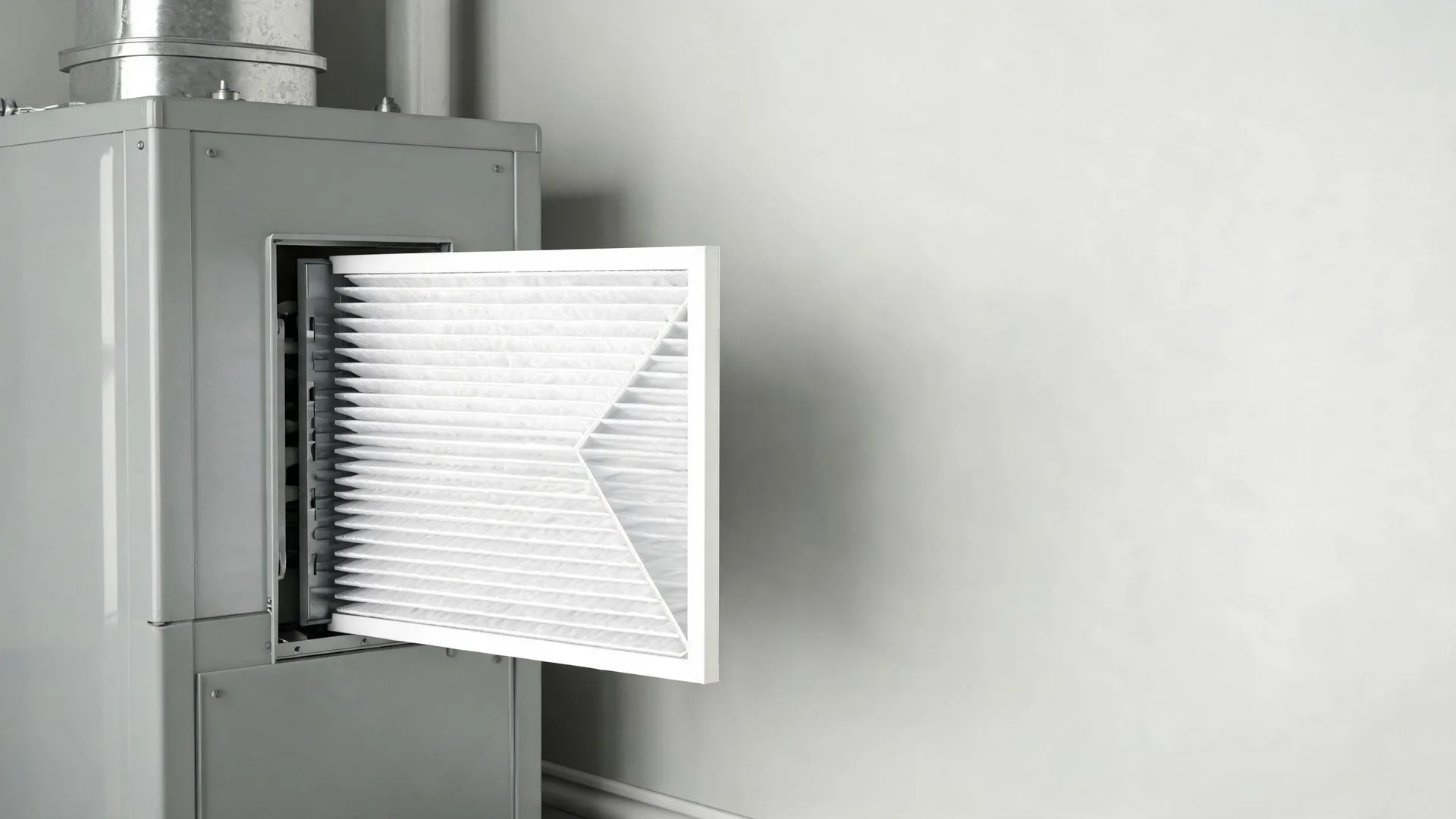
Between visits, the filter is the one thing worth checking yourself. Pull it out, hold it up to a light, and if you can't see through it, change it. A dirty filter starves the furnace of airflow, and a furnace that can't breathe runs hotter and longer to put out the same heat. Beyond that, keep the area around the furnace clear. Boxes, paint cans and stored furniture too close to the cabinet block the air it needs to draw in, and anything flammable stacked near it is a real hazard. Walk past the vent hood and intake outside now and then and knock away anything blocking them. Past that, leave the burner, the flame sensor and the pressure switch alone. Those need a technician's eyes, not a homeowner's hands.

A furnace that's lighting dirty or short-cycling on a weak igniter doesn't just risk a breakdown, it burns more gas to put out the same heat. That matters more here than most places, since Montana gas ran $7.77 per million Btu last year. A tune-up gets the burner adjusted and the flame set right, so the furnace isn't working harder than it has to on every cycle. That's worth doing before the coldest stretch of winter, when the furnace is running the most hours and any waste adds up the fastest. A clean-burning furnace costs less to run than one that's been skipped for a year or two.