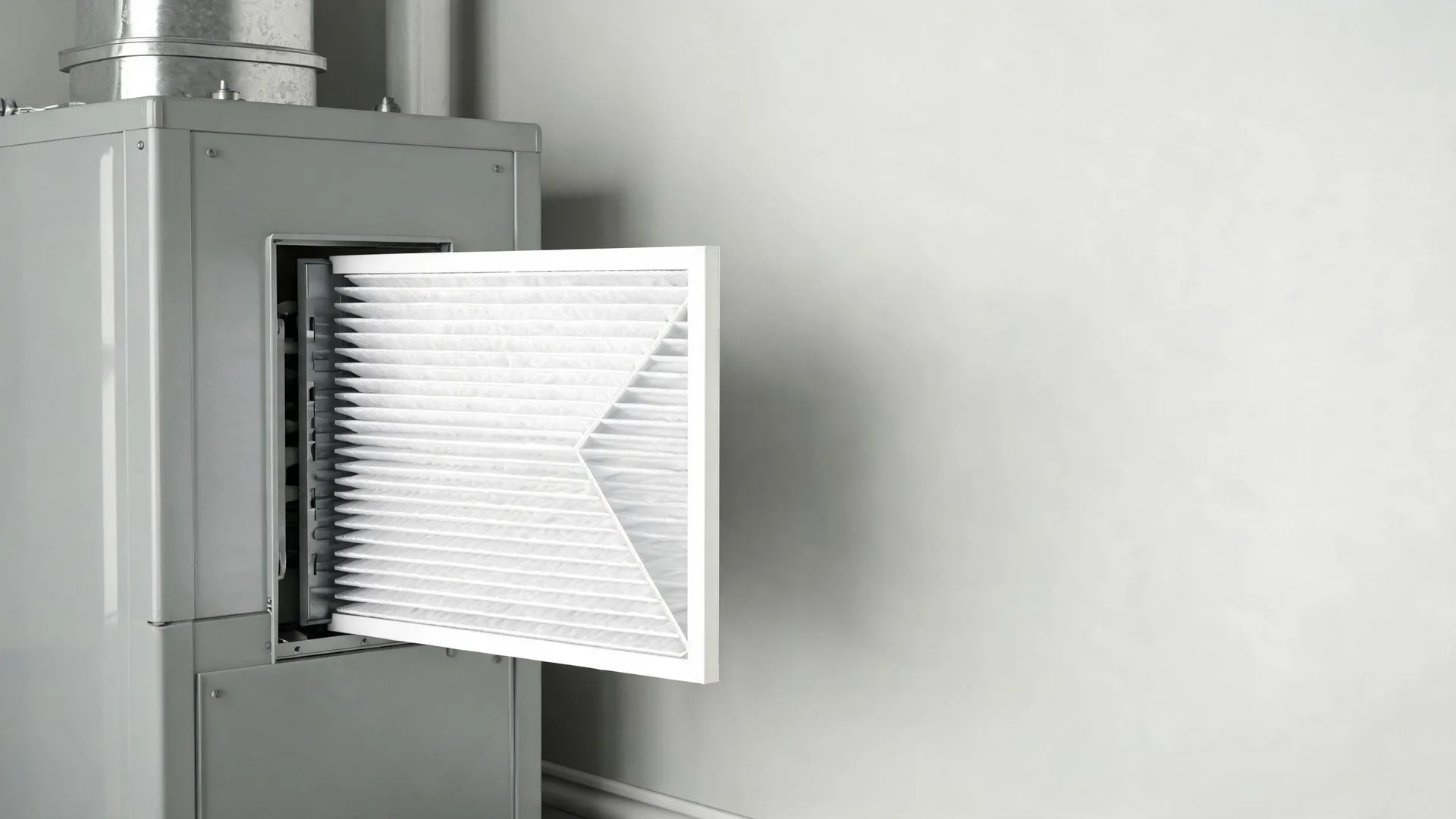
Ten months of heat a year
Furnaces in Fort Benton run from September through June. That leaves only a short stretch in summer when the furnace sits idle. The rest of the year it is working.
Takes about a minute. No obligation.
Furnaces in Fort Benton run from September through June. That leaves only a short stretch in summer when the furnace sits idle. The rest of the year it is working.
Winter nights here average 12°F. A furnace pushed that hard wears on the igniter and the blower motor sooner than one that only has to fight mild cold. A check before the cold sets in catches that wear early, while the furnace can still be serviced instead of replaced.
Most homes in Chouteau County heat with LP gas, and another third run on utility gas.
A furnace running on either one needs its burner and venting checked, not just a new filter.
Propane in Montana ran $22.28 per million Btu in 2024. A furnace burning that much all winter is not a small line item. A dirty burner or a clogged vent makes the furnace work harder to push out the same heat, and that shows up on the propane bill before it shows up anywhere else. A tune-up checks the burner flame, cleans what needs cleaning, and makes sure the furnace is turning fuel into heat instead of wasting it.
It works hard here, so worn parts show up fast once the season starts. Get it checked before then.
Find a contractor
September is when it starts, and it starts cold. The furnace goes from sitting all summer to running every day, and whatever was already worn does not ease into the load, it gets hit with it. Have it checked in August, before that first week of September heat.
A furnace burner should burn blue and steady. If it's burning yellow or flickering, the gas isn't mixing with air the way it should, and that can mean soot building up inside the heat exchanger. That soot is also a sign carbon monoxide isn't venting the way it's supposed to.
A furnace that kicks on, runs a few minutes, then shuts off and starts again isn't resting. It's hitting a limit switch or losing airflow it needs, and the cause is usually a dirty flame sensor, a clogged filter, or a blower motor starting to fail. Left alone, that cycling wears the parts it's already struggling with.
A quick tune-up means someone swaps the filter, glances at the flame, and leaves. A thorough one means the panels come off. The tech checks the flame sensor and igniter for wear, pulls the burner assembly to look for rust or soot, and tests the draft so exhaust is actually leaving the house instead of backing up. They check amp draw on the blower motor, not just whether it spins, because a motor can run and still be pulling more current than it should. They check the heat exchanger for cracks, since that's the part that keeps carbon monoxide out of the air you breathe. If every visit takes the same amount of time and goes the same way, parts aren't getting pulled and nothing is actually being tested.
A tune-up also means someone checks the safety controls, not just the parts that make heat. The limit switch shuts the furnace off if it runs too hot, and the flame sensor shuts the gas off if the flame goes out after ignition. Both need testing, not just a glance, because a switch can look fine and still fail to trip when it has to. The tech should also check the pressure switch, which keeps the furnace from running if the vent isn't drafting right. These parts sit there unused most of the time, which is exactly why they're the ones worth checking. A furnace can run every day all winter without ever calling on its safety controls, until the one day it does.