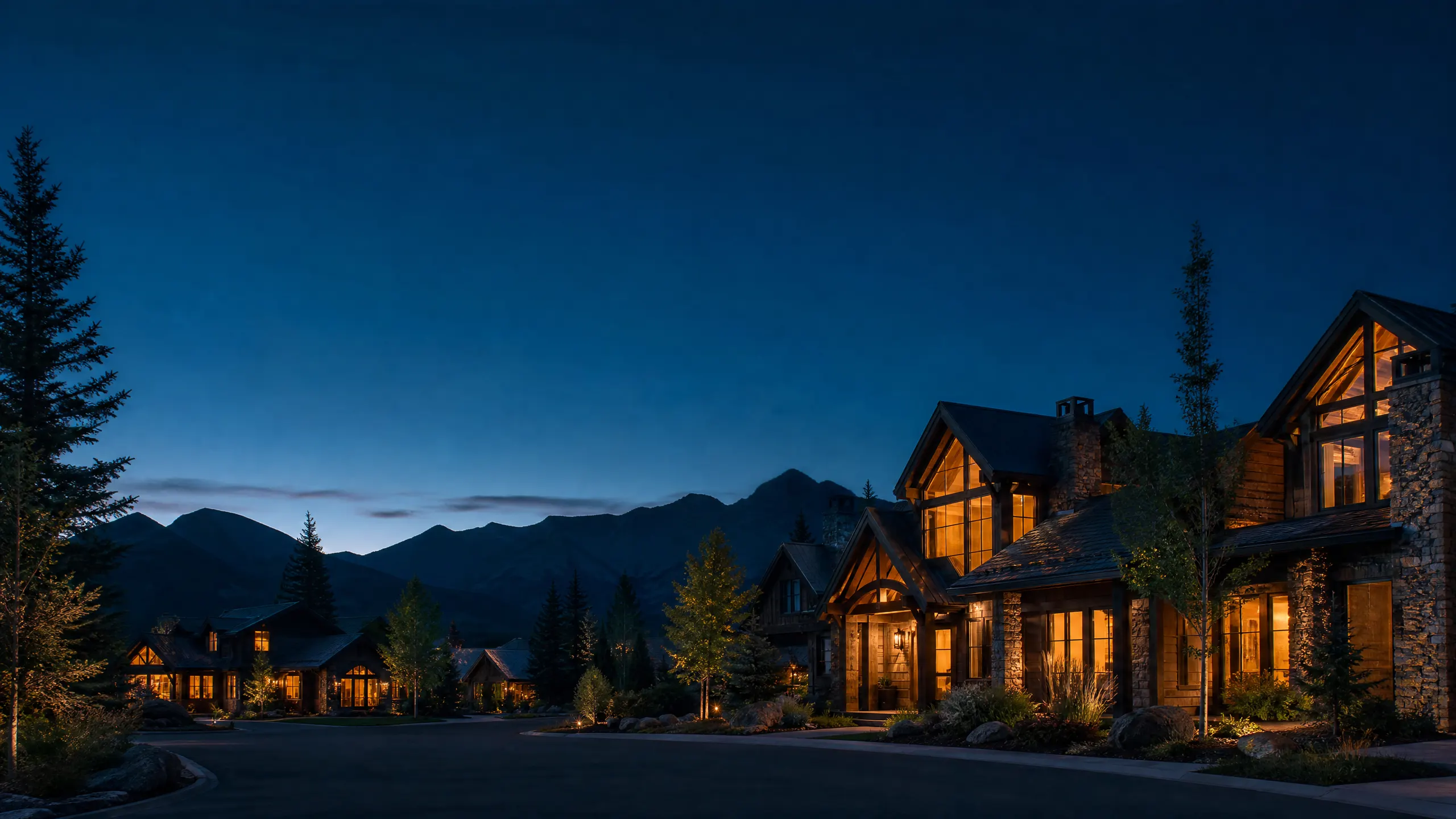



Illuminated stone-and-timber mountain homes line a quiet street at dusk, with evergreen trees and a mountain range in the background.

Furnace Maintenance in Havre, MT

Tell us about the job

Takes about a minute. No obligation.

Tune-up, service, or cleaningFurnace or heatingHill County, MT
Step 1 of 2

What ZIP code is the job in?

Montana gas ran $7.77 per million Btu in 2024, among the higher prices in the country. A furnace that's skipping a step somewhere, a dirty filter, a burner that needs cleaning, has to burn more of that gas to put out the same heat. You won't see the cause. You'll just see it on the bill, month after month of a Hill County winter. A tune-up finds what's making the furnace work harder before another winter does the same thing to your gas use.

Most homes around Havre heat with gas, two out of three by the county count.

A gas furnace needs its burner and venting checked every year, not just a fresh filter.

Half the furnaces here were installed before anyone worried about gas prices

Half the homes here were built by 1971
Heat runs September through June
Winter nights average 8°F
Ten Months of Heat a YearFurnaces in Hill County run September through June, the shortest break of anywhere in the country.

Furnaces here start running in September and keep going through June. That's ten months out of twelve. August is the one month you can count on the furnace sitting idle, which makes it the right time for a tune-up. Wait until September and you're booking a check on a machine that's already working, maybe already struggling, with a Hill County winter right behind it. A furnace that gets looked at in August is ready for the long stretch ahead instead of starting it with a problem nobody caught.

Get the Tune-Up Before the Gas Bill Tells You Why

A furnace that's already burning more gas than it should will keep doing it the whole winter. Getting the burner and venting checked now is what keeps that extra gas use from turning into a season of higher bills.

Find a contractor
A gas furnace with attached ductwork, gas piping, and condensate lines installed in a concrete-block basement.

Ten Months Running Doesn't Leave Room for a Weak Part

Two months of rest and ten months of work doesn't give a weak part much room to hide. Once the furnace starts up in September it stays on through June, and whatever is already struggling has to keep struggling, month after month, with no break to catch it in. A tune-up is the only time that part gets found while the furnace is sitting still instead of carrying a Hill County winter on a bad burner or a tired igniter.

A Dirty Filter Makes the Burner Work to Keep Up

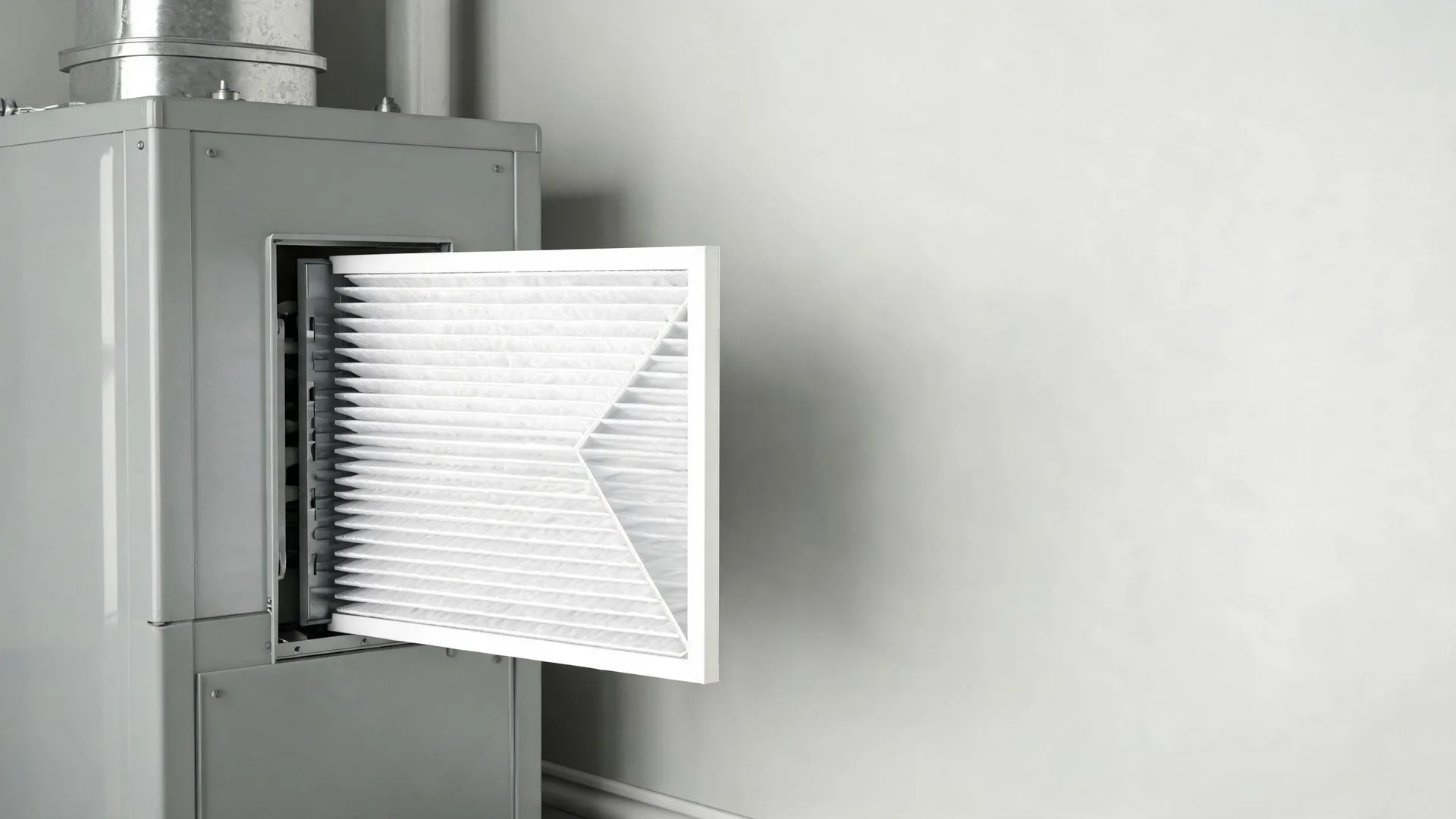
A clogged filter chokes off the airflow the furnace needs to move heat where it's going. The burner doesn't know to slow down, so it keeps firing while the blower struggles to push air past a filter packed with dust. That mismatch is what cracks heat exchangers and burns out blower motors before their time.
What a Tune-Up Actually Checks

Swapping the filter takes a minute and anyone can do it. What a tune-up covers is the parts you can't see from the hallway: the burner flame, the igniter, the flue venting the exhaust out of the house. Those are the parts that drift out of adjustment over a long run of use, and they're the ones that quietly cost you heat and gas if nobody looks at them.

The filter is the one job that's yours between visits. Pull it, hold it to the light, and if you can't see through it, swap it. A furnace running most of the year loads up a filter faster than most people expect, so check it monthly rather than guessing. Past that, keep the area around the furnace clear. Boxes, laundry stacked nearby, anything blocking the return air vent makes the blower work against itself. If you smell something off at startup or hear a new rattle or click, that's not a wait-and-see. Everything else, the burner, the igniter, the flue, needs a trained eye and the furnace apart to check properly.

Half the houses around Havre went up in 1971 or earlier, which puts a lot of furnaces here well past their original run. A yearly check matters more on an older setup, not less, because the burner and igniter wear at their own pace and nothing about that shows up until the furnace is struggling. If your system came with the house, or you're not sure how old it is, that's worth finding out now rather than waiting on it. A tune-up is where someone can look at the burner and venting on a furnace that's been doing this job for decades and tell you what shape it's actually in. Catching a worn part while the furnace is sitting idle costs a lot less than losing heat to it mid-winter.