Gas here runs $7.77 per million Btu
Montana gas averaged that price in 2024. A furnace that's skipping cycles because of a dirty flame sensor or a clogged filter burns through more of it to hit the same temperature on your thermostat.
Takes about a minute. No obligation.
Montana gas averaged that price in 2024. A furnace that's skipping cycles because of a dirty flame sensor or a clogged filter burns through more of it to hit the same temperature on your thermostat.
A technician cleaning the burner, checking the flame sensor and testing the ignition is checking the exact things that make a furnace work harder than it needs to. Catching those early keeps the furnace from costing more than it should all winter.
Gas heats more homes in Ravalli County than any other fuel, at 40.9%.
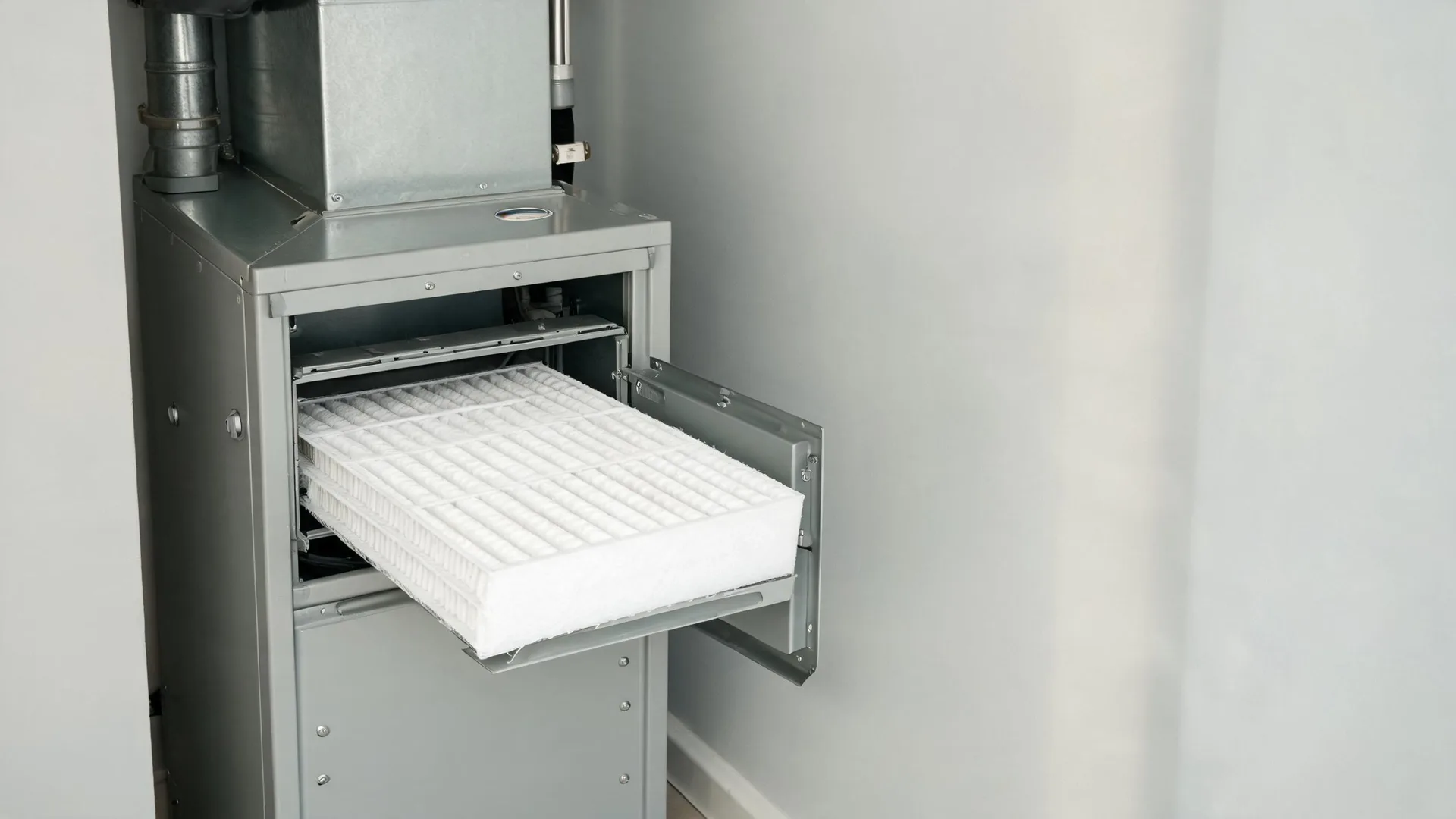
A tune-up on a gas furnace means checking the burner and venting, not just swapping a filter.

Furnaces in Ravalli County start running in August and don't shut off again until June. That's eleven months of the year this machine is on call. July is the one month it gets to sit idle, which makes it the month to have it checked. Wait until August and you're asking a technician to service a furnace that's already working, on a system that may already be behind. A check in July finds a weak igniter or a cracked heat exchanger before the first cold morning asks the furnace to prove itself.
A furnace that's cleaned and checked burns gas the way it's supposed to. One that isn't runs longer to hit the same number on the thermostat, and at $7.77 per million Btu that adds up over a long heating season. Getting a technician out before the furnace has to work is the way to keep it from costing more than it should all winter.
Find a contractorA furnace with years ahead of it is worth keeping on schedule. An annual check is the way it gets there. The same visit that catches a cracked heat exchanger now is the one that keeps a sound furnace sound, winter after winter, instead of finding out on a cold morning that something was missed.
A dirty filter is the one thing worth checking without waiting for a technician. Pull it and hold it up to a light. If you can't see light through it, swap it. A clogged filter starves the burner of airflow, which makes the furnace run longer to push out the same heat and can cause it to overheat and shut itself off mid-cycle.
The burner, the flame sensor, the heat exchanger and the ignition system aren't a homeowner job. Opening the cabinet to clean or adjust them without the right tools can knock something out of alignment that was working fine. If the furnace is making a new noise, short-cycling, or the flame looks yellow instead of blue, that's a reason to call someone, not a reason to start taking panels off.
A quick tune-up means someone swaps the filter, glances at the flame, and packs up. A thorough one means the panels come off. The burner gets cleaned, not just looked at, because soot and dust on the burner surface change how the flame behaves. The flame sensor gets cleaned or tested, not assumed to be fine because the furnace ran last week. The technician checks the heat exchanger for cracks, since that part can fail in a way you can't see or smell until it's serious. Gas pressure gets tested against the furnace's rating, not eyeballed. The venting gets checked for blockage or corrosion, because that's what carries exhaust out of the house instead of back into it. If the visit takes less time than it takes to tell you what was found, something was skipped.
Eleven months of running time means eleven months for a part to wear down. Once the furnace starts up in August it doesn't get a break again until June, so anything that's going to fail has all winter to do it at the worst possible time. A check before the season starts is when a technician can still take a panel off and look things over without the furnace running. Wait too long and that same check is competing with every other furnace in the valley that started acting up the same cold week.