Ten months of heat a year
A furnace in Toole County runs from September through June. Most of the country gets a break from the heating system for half the year or more. Here it barely shuts off before it starts again.
Takes about a minute. No obligation.
A furnace in Toole County runs from September through June. Most of the country gets a break from the heating system for half the year or more. Here it barely shuts off before it starts again.
An igniter or a blower motor logs far more hours here than the same part in a milder state. That kind of use catches up with a furnace sooner, and the wear often shows up before a homeowner expects it.
Close to half the homes in Toole County heat with gas.
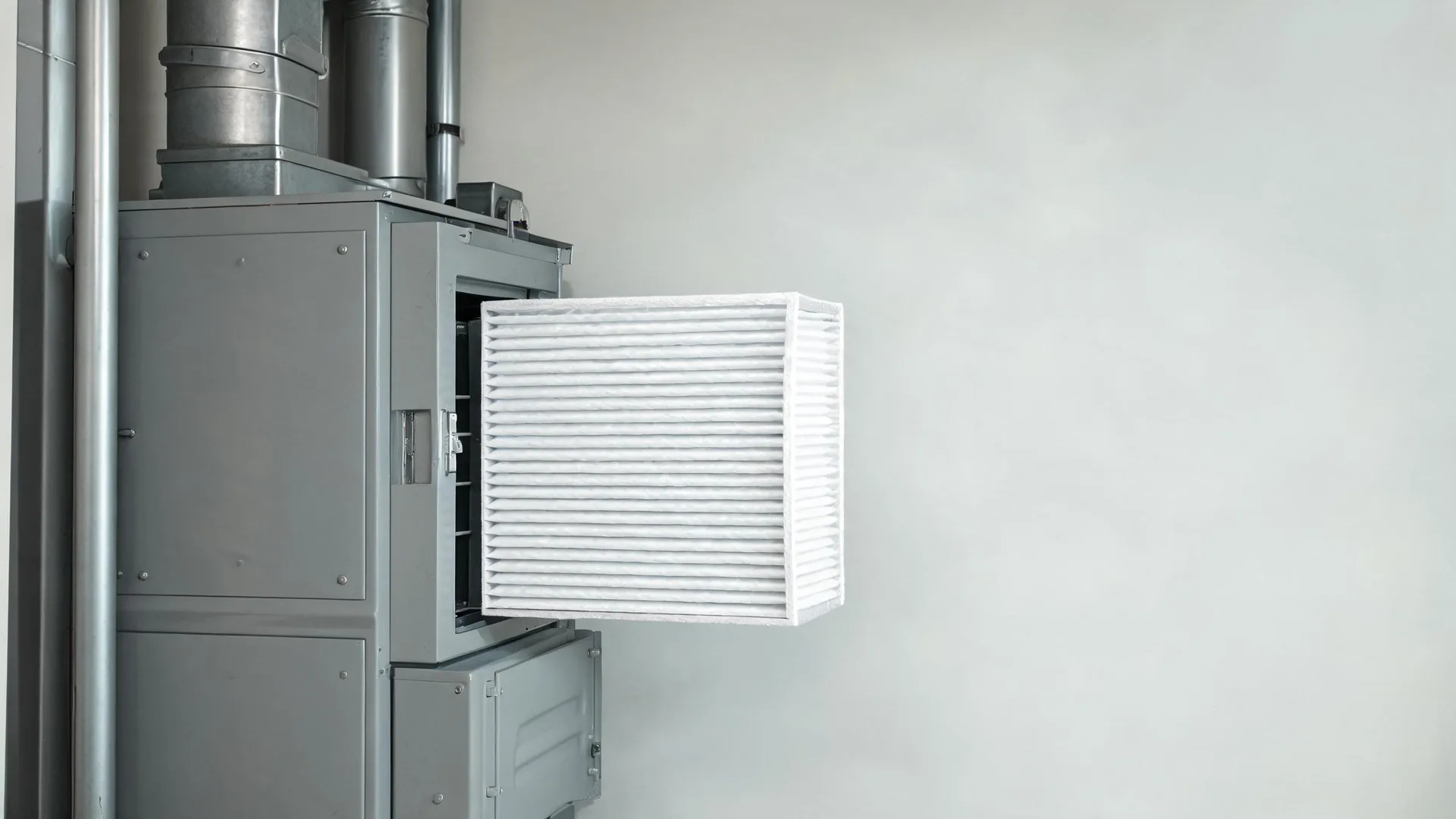
A tune-up here needs to check the burner and venting, not just swap a filter.
A furnace that's skipping steps, a dirty burner, a clogged flue, pulls more gas to put out the same heat. Montana gas ran $7.77 per million Btu in 2024, and a furnace that runs most of the year puts that price to work every day, not just on the coldest ones. Dirt and wear don't make a furnace stop. They make it work harder to do the same job, and that shows up on the gas bill before it shows up anywhere else. A tune-up gets the burner and the airflow back to where they should be, so the furnace isn't burning extra gas just to keep up.
September through June, the furnace barely gets a rest here. That kind of run time wears parts faster than it would somewhere milder, and a worn igniter or a tired blower motor tends to show up right when the furnace needs to work hardest. A tune-up before the season starts catches that wear while it's still a small fix.
Find a contractorHalf the homes in Toole County were built in 1966 or earlier. A furnace that old has likely been swapped out at least once, but the ducts, the gas line and the venting are often whatever came with the house. On a setup like that, a yearly check matters more, not less. A tune-up gives a contractor a chance to look at the heat exchanger and the venting while the furnace is sitting idle, not after it's already struggling to keep the house warm.
A dirty filter chokes airflow, and a furnace starved for air runs longer and hotter than it needs to. Pull it and hold it up to a light. If light doesn't pass through, it needs to be replaced. This is the one job a homeowner should handle without waiting for a tune-up.
The burner, the heat exchanger and the flue need a trained eye, not a homeowner with a screwdriver. Opening the cabinet to poke at the igniter or clean the burner can knock something out of adjustment that was set correctly. Between visits, the safe move is watching for a yellow flame instead of blue, a burning smell that doesn't clear, or a thermostat that can't hold the temperature, and calling in what's found.
A quick visit usually means a new filter, a glance at the flame through the sight glass, and the panel buttoned back up in a few minutes. A thorough one takes longer because there's more to check by hand. The burner gets pulled and cleaned, not just looked at, since a film of dust changes how it burns. The flame sensor gets cleaned or tested, not just eyeballed, because a weak signal there is what causes a furnace to shut off mid-cycle. The heat exchanger gets inspected for cracks, which takes a flashlight and a mirror, not a quick glance. Amp draw on the blower motor gets checked against what the motor is rated for, and the flue gets checked for a solid connection all the way out. If the visit is done before you've had time to make coffee, something on that list got skipped.
Toole County logged 185 severe weather events between 2015 and 2024, and 168 of those were damaging wind. Wind like that throws branches and debris into the venting a furnace relies on to draw air in and push exhaust out. Hail hit less often, 8 times over that same stretch, but it still dents a vent cap or bends it out of shape. Add 9 winter storms with heavy snow and ice, and the venting outside takes a beating before the furnace ever has to work hard on the inside. A furnace with electronic ignition also needs power to start, and in 2024 nearly a fifth of Montana households went at least a day without it. A pre-season check is a chance to catch a bent vent cap or anything storm season left behind before the cold sets in and the furnace needs to just work.