Propane runs $22.28 per million Btu
That is what Montana homes paid for propane in 2024. A furnace that has to work harder to put out the same heat burns through more of it, and every bit of that shows up on the propane bill.
Takes about a minute. No obligation.
That is what Montana homes paid for propane in 2024. A furnace that has to work harder to put out the same heat burns through more of it, and every bit of that shows up on the propane bill.
A clogged filter or a dirty burner makes the furnace run longer to heat the same house. In a county that heats on propane all winter, that lost efficiency adds up fast.
Furnaces in Sheridan County start running in September.
Book the tune-up in August, before the furnace is working every day.

Ten months of heat a year is most of the calendar. Furnaces here start up in September and don't shut off again until June, which means the burner, the igniter and the blower motor are working nearly nonstop for almost the entire year. A furnace running that many months doesn't get much of a break to reveal a problem before it has to perform again the next day. Whatever wear is building shows up fast once the season is underway, not months down the line.
A furnace that's already burning more propane than it should will keep doing that the whole time it runs. A tune-up gets the burner and filter checked while the furnace is still off, so it's not working harder than it has to once the cold sets in.
Find a contractorHalf the furnaces in Sheridan County are in houses built in 1963 or earlier. A furnace that old has likely changed hands a few times, and the people living there now may not know when anyone last looked at it. That is what a yearly check is for. A technician can catch a cracked heat exchanger or a worn blower bearing while it is still a small job, not a breakdown in the middle of winter. If your furnace came with the house, this fall is a good time to find out what shape it is actually in.
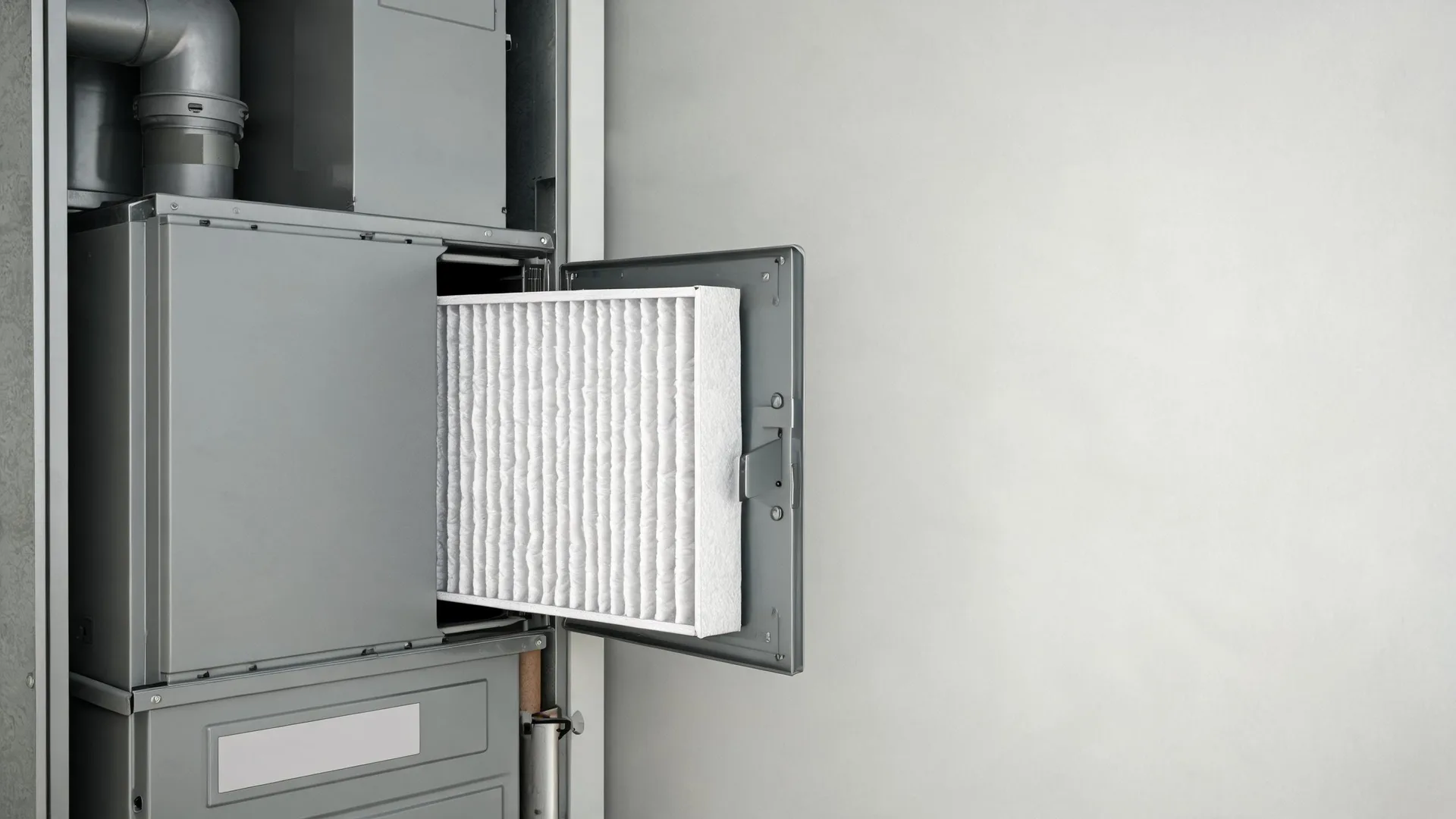
A clogged filter chokes off airflow across the heat exchanger. The burner still fires the same, but the furnace cannot move the heat it is making, so it runs longer to reach the same temperature on the thermostat. Left long enough, that restricted airflow can crack the heat exchanger itself, which is a far bigger job than swapping a filter.
A worn igniter or a dirty flame sensor usually gives warning signs first: short cycling, a furnace that takes a few tries to light, a pilot light that won't hold. Skip the yearly look and those signs go unnoticed until the part fails outright, usually on a night the furnace is working hardest.
A quick tune-up means someone pulls the filter, glances at the flame, and calls it done. A thorough one means the burner assembly comes out for a real cleaning, not just a visual check, because a burner can look fine and still be burning dirty. The flame sensor gets cleaned or tested, not just eyeballed, since a weak signal there is what causes random shutdowns later. A good technician checks amp draw on the blower motor, because a motor pulling more current than it should is wearing out even if it still spins fine today. The heat exchanger gets inspected for cracks with a light and a mirror, not a glance from across the room. Gas pressure gets tested and set, not assumed correct from the factory. If the visit takes the same ten minutes every year and nothing ever gets adjusted, that is a filter change wearing the name of a tune-up.
A real tune-up starts with the burner, not the filter. A technician pulls it and looks at the flame pattern, since a burner can fire every time and still burn dirty, coating the heat exchanger with soot that cuts how well it transfers heat. The flame sensor gets cleaned and tested with a meter, because a sensor reading weak still lets the furnace run for a while before it starts dropping out on its own. The igniter gets checked for cracks or a weak glow, since that part fails a little at a time before it fails all the way. The blower gets checked for amp draw and for a wheel caked with dust, which makes the motor work harder to move the same air. Gas pressure gets measured at the manifold and adjusted if it has drifted, because a furnace running rich or lean wastes fuel either way. None of this takes looking the cabinet over from across the room and calling it good.