Gas here isn't cheap to waste
Montana homes paid $7.77 per million Btu for natural gas in 2024. A furnace that's skipped its tune-up burns more gas to put out the same heat, and that difference shows up on the bill for as long as the furnace runs.
Takes about a minute. No obligation.
Montana homes paid $7.77 per million Btu for natural gas in 2024. A furnace that's skipped its tune-up burns more gas to put out the same heat, and that difference shows up on the bill for as long as the furnace runs.
A furnace running clean and adjusted right uses only what it needs to. Checking it before winter catches the small losses that would otherwise run up the gas bill all season.
Roosevelt County had 127 damaging wind events and 59 hail events between 2015 and 2024.
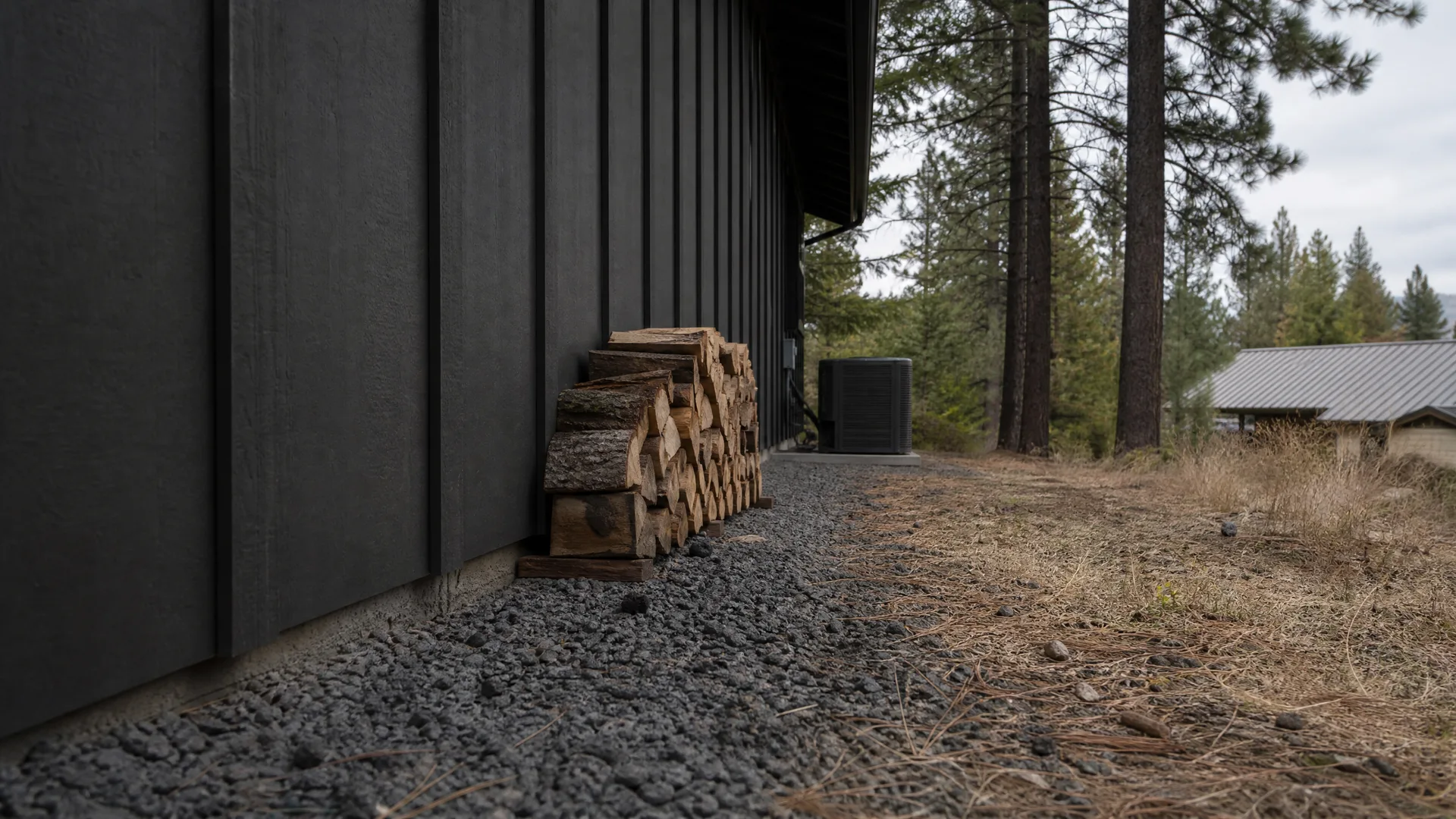
An outdoor unit that's taken a decade of wind and hail needs to be checked before it has to carry the house through another winter.




Just over half the homes in Roosevelt County heat with utility gas. Most of the rest run on bottled or tank propane, which works the same way. A gas furnace lights a burner, pulls the exhaust out through a vent, and watches that flame with a set of safety controls the whole time it runs. A tune-up checks all three. The burner gets cleaned and adjusted so it burns evenly instead of leaving soot behind. The vent gets checked for a blockage or a leak, since exhaust has to leave the house and not the living room. The igniter and flame sensor get tested because a furnace that can't prove it has a clean flame will shut itself down rather than run unsafe. None of that shows up when you change a filter.
Get it checked before winter and it runs on what it actually needs for the rest of the season, not more. That's what keeps the gas bill down.
Find a contractorNine months is most of the year. That furnace shuts off sometime in May and lights back up in September with barely a break in between. An igniter or a flame sensor that's starting to fail doesn't get much rest to hide behind. Have it looked at before September and whatever's wearing thin gets caught while it's still a small fix.
A burner can light every time and still be burning dirty. Soot builds up slowly on the heat exchanger, and a cracked exchanger can leak exhaust into the air a furnace is supposed to be heating. You won't see it by watching the flame. A tech checks the exchanger directly and tests the air for what shouldn't be there.
A flame sensor coated in a thin layer of oxidation will still let the furnace run for months, then stop it cold without any buildup to point at. An inducer motor bearing can wear down quietly until it seizes. These don't announce themselves with a smell or a noise most people would catch. A tune-up tests each part against what it should read, not just whether the furnace turns on.
A furnace doesn't have a drain or an outdoor coil to worry about, that's the air conditioner's side of the system. What it does have is a filter, and that filter sits in the path of every bit of air the furnace moves. A clogged filter chokes that airflow down. The burner still fires the same as always, but the heat it makes has a harder time getting pushed out into the house, so the heat exchanger runs hotter than it was built to. Over time that heat stresses the metal and shortens what should be a long working life. On a furnace with air conditioning tied into the same ductwork, that same airflow problem can let the indoor coil ice over during cooling months, but even on heat alone, a dirty filter is working against the furnace every time it runs. Swapping it before winter is the one piece of upkeep that's on the homeowner, not the tech.
That wind and hail count is for the whole county, not just what sits in any one yard, but an outdoor unit left unchecked for years has been standing through all of it. Hail dents a cabinet and bends the fins on the coil behind it. Wind drives dirt and leaves into the housing, where they sit against the coil and the fan. None of that stops a furnace from lighting, since the furnace and the outdoor unit are separate parts of the system, but a blocked coil makes the whole system work harder when the air conditioning side runs. A tune-up is a chance to look at both sides while a tech is already there. Clearing debris out of the cabinet and checking the fins for damage takes a few minutes and catches what a decade of weather leaves behind before it turns into a bigger repair.

