
Ten months of runtime
A furnace in Valley County runs from September through June most years. That leaves a short stretch where it sits idle. The rest of the time the burner, blower and igniter are cycling on and off, day after day.
Takes about a minute. No obligation.
A furnace in Valley County runs from September through June most years. That leaves a short stretch where it sits idle. The rest of the time the burner, blower and igniter are cycling on and off, day after day.
A furnace that runs this many months a year puts more hours on its igniter and blower motor than one that only kicks on for a few months. Wear that shows up in year ten elsewhere can show up sooner here.
Furnaces in Valley County start running in September.
Book the tune-up in August, before the burner starts cycling every day.
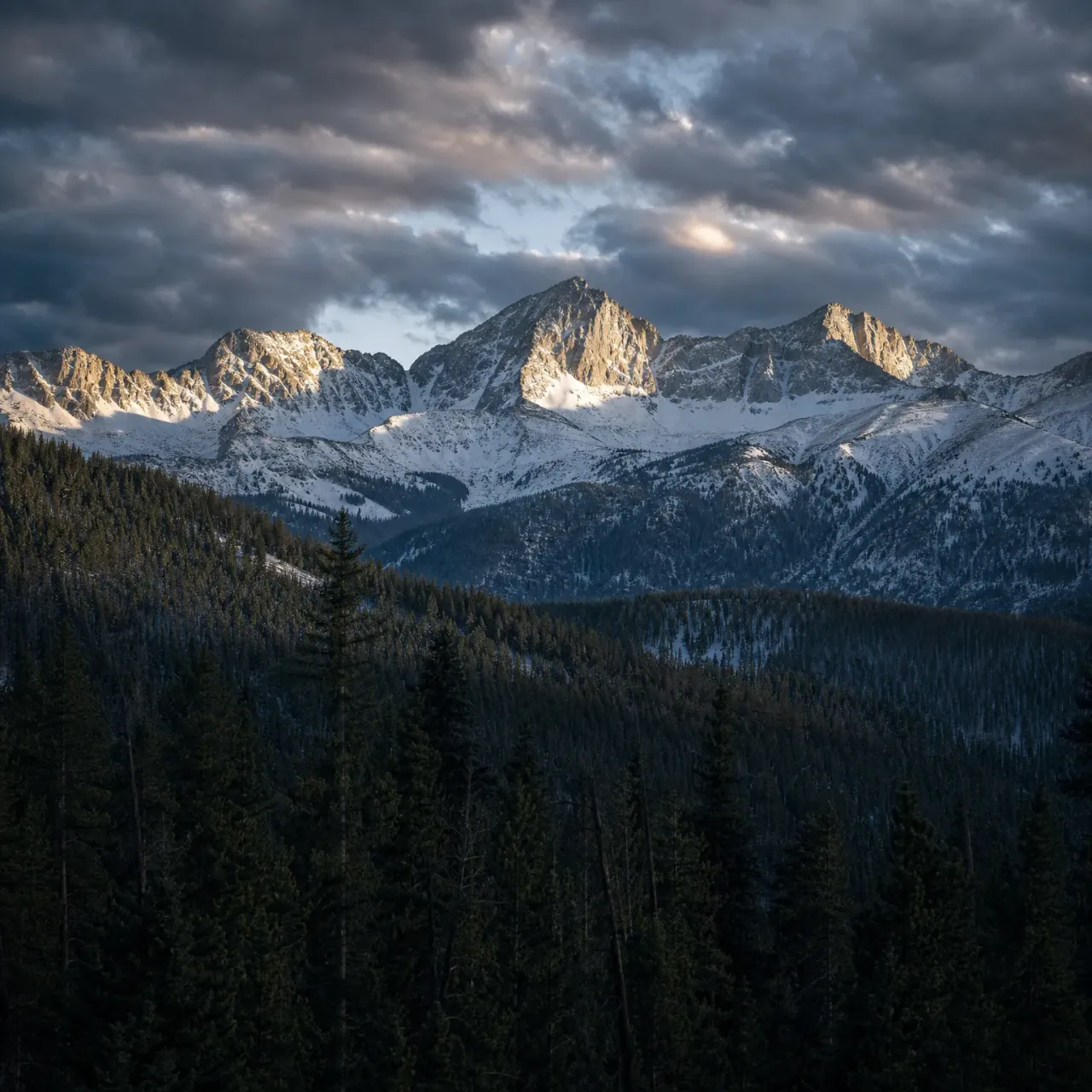
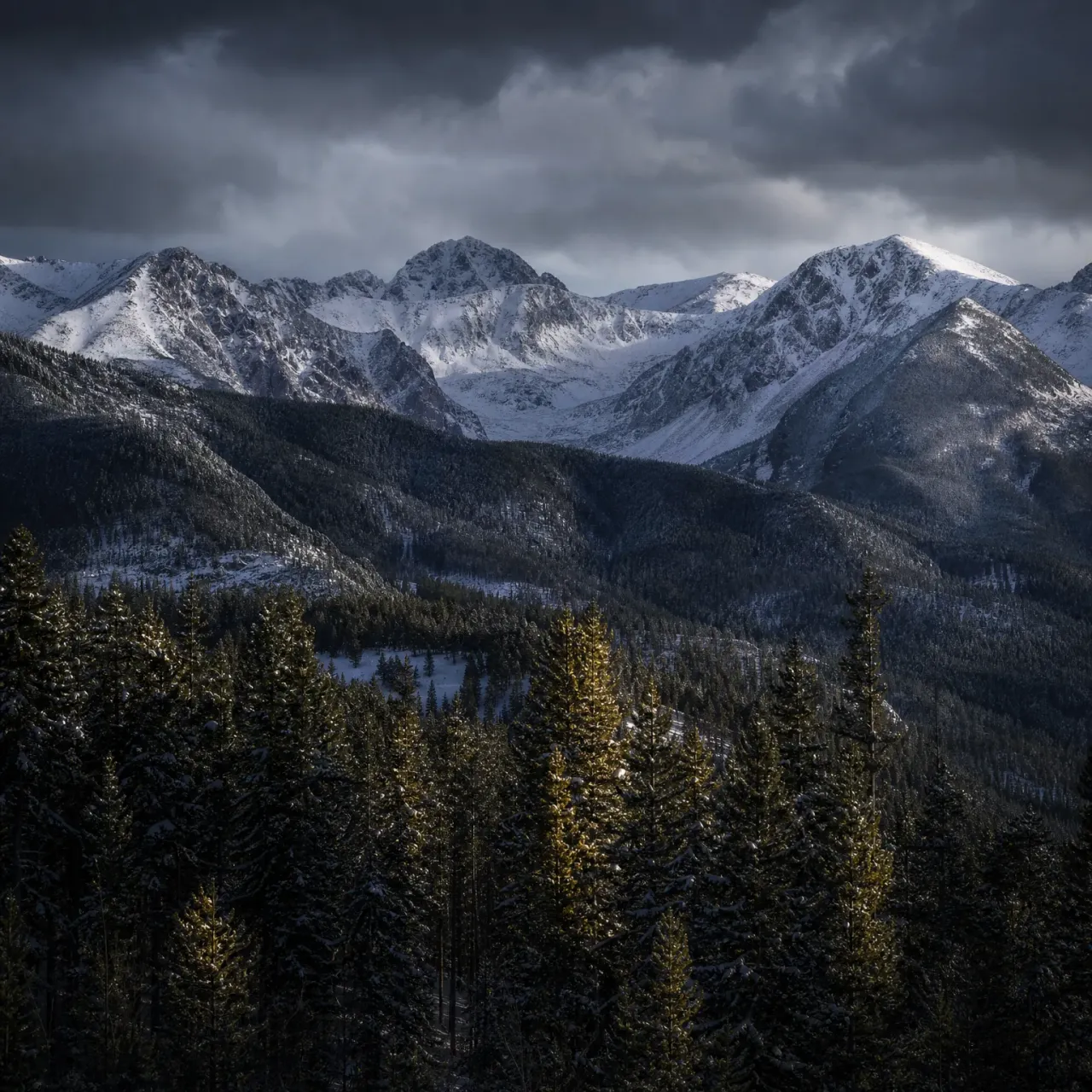
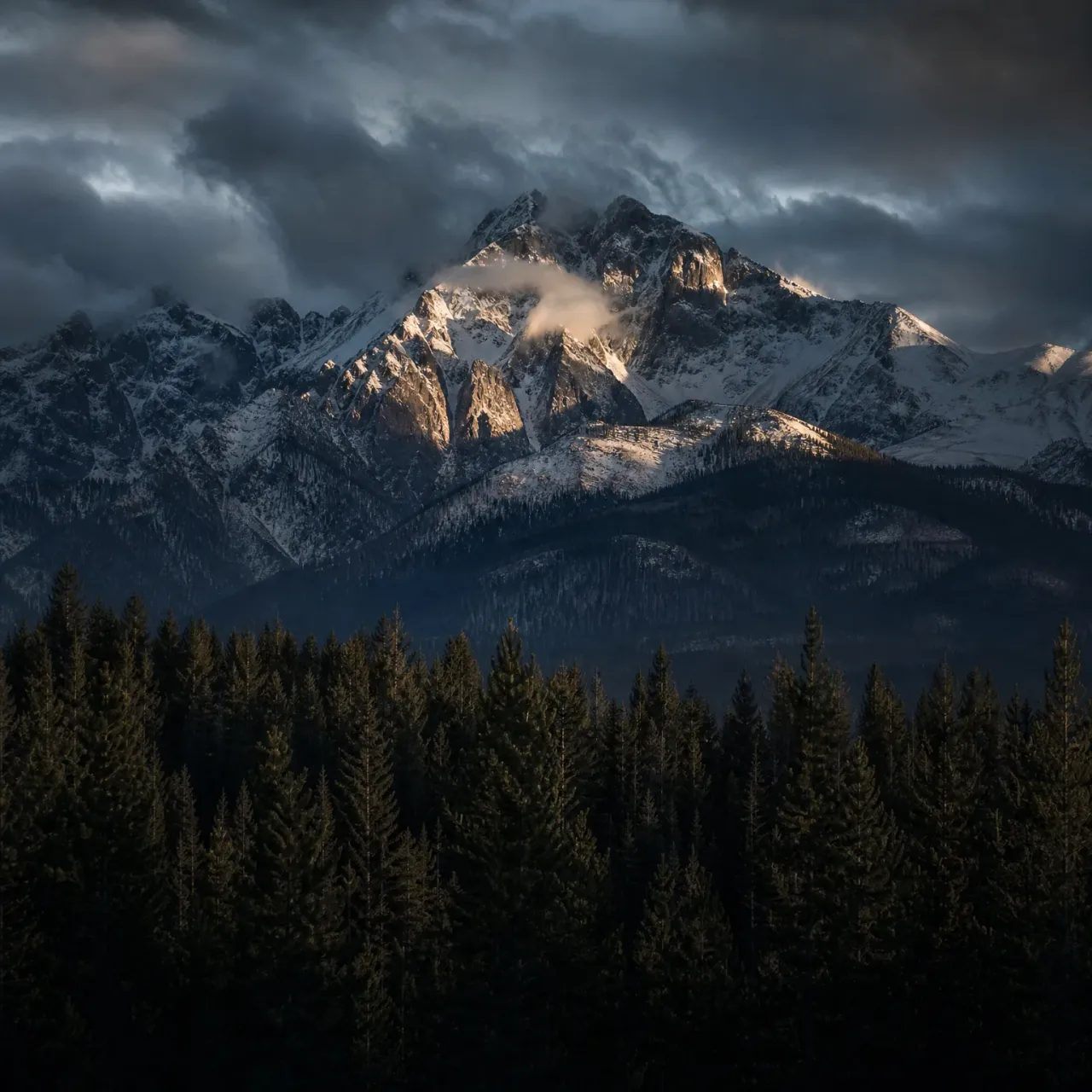
Valley County logged 387 severe weather events between 2015 and 2024, with 256 of those damaging wind and 85 hail. Six tornadoes touched down in that same stretch. None of that reaches the furnace itself, but a vent hood or intake sitting outside takes the brunt of wind-blown debris and hail, and a blocked vent is a safety issue as much as a performance one. Power is the other side of it. Statewide, 18% of households went at least a day without electricity in 2024, and a gas furnace still needs power for its blower and igniter even with gas flowing to the burner. A tune-up is the chance to check the vents and outdoor parts are clear before winter sets in, not after a storm already found the gap.
Once the burner starts cycling daily, a worn igniter or a tired blower motor is already on the job, not waiting for a slow month to fail in. A tune-up before September catches what ten months of runtime wears down early.
Find a contractor
Half the homes in Valley County were built in 1966 or earlier. A furnace that old has likely been replaced, maybe more than once, but the ductwork and venting usually stay put through those replacements. Older duct runs and older vent connections are worth a second look during a tune-up, not because anything is wrong, but because nobody has looked at them in years. A yearly check on a system that's been in the house a long time is how a cracked heat exchanger or a loose connection gets caught while it's still a small fix.
A dirty filter chokes airflow across the heat exchanger. The blower has to push harder to move the same air, and the burner can overheat the exchanger because heat isn't carrying away fast enough. A furnace can run with a clogged filter for a while before anything trips, which is why it's easy to leave in too long.
On a high-efficiency furnace, condensation collects and has to drain out through a trap and a line. If that line clogs with sludge or algae, the water backs up into the unit and the furnace shuts itself down to keep from flooding the cabinet. Clearing that drain and checking the trap during a tune-up is what keeps a furnace from going cold over something this simple.
A technician opens the cabinet and checks things a homeowner never sees from the thermostat. Flame color matters: a burner should show a steady blue flame, and anything yellow or flickering points to a combustion problem that can send carbon monoxide into the house instead of up the flue. The heat exchanger gets inspected for cracks, because a crack lets exhaust mix with the air the blower pushes through the house. Amp draw on the blower motor tells a tech whether a motor is struggling before it seizes up on the coldest night of the year. None of this shows up as a symptom you'd notice. The furnace still lights, the air still comes out warm, right up until the part that was failing quietly finally gives out.
Most homes in Valley County heat with gas, about six in ten. Another sizable share runs on propane. That means the tune-up is about more than a filter swap. A gas burner needs a steady, even flame, and the venting that carries exhaust out of the house needs to be clear and sealed where it connects. The safety controls that shut a furnace down if something goes wrong are part of the check too. A furnace that runs on electricity alone doesn't carry these same risks. One that burns gas or propane does, every winter it runs.

