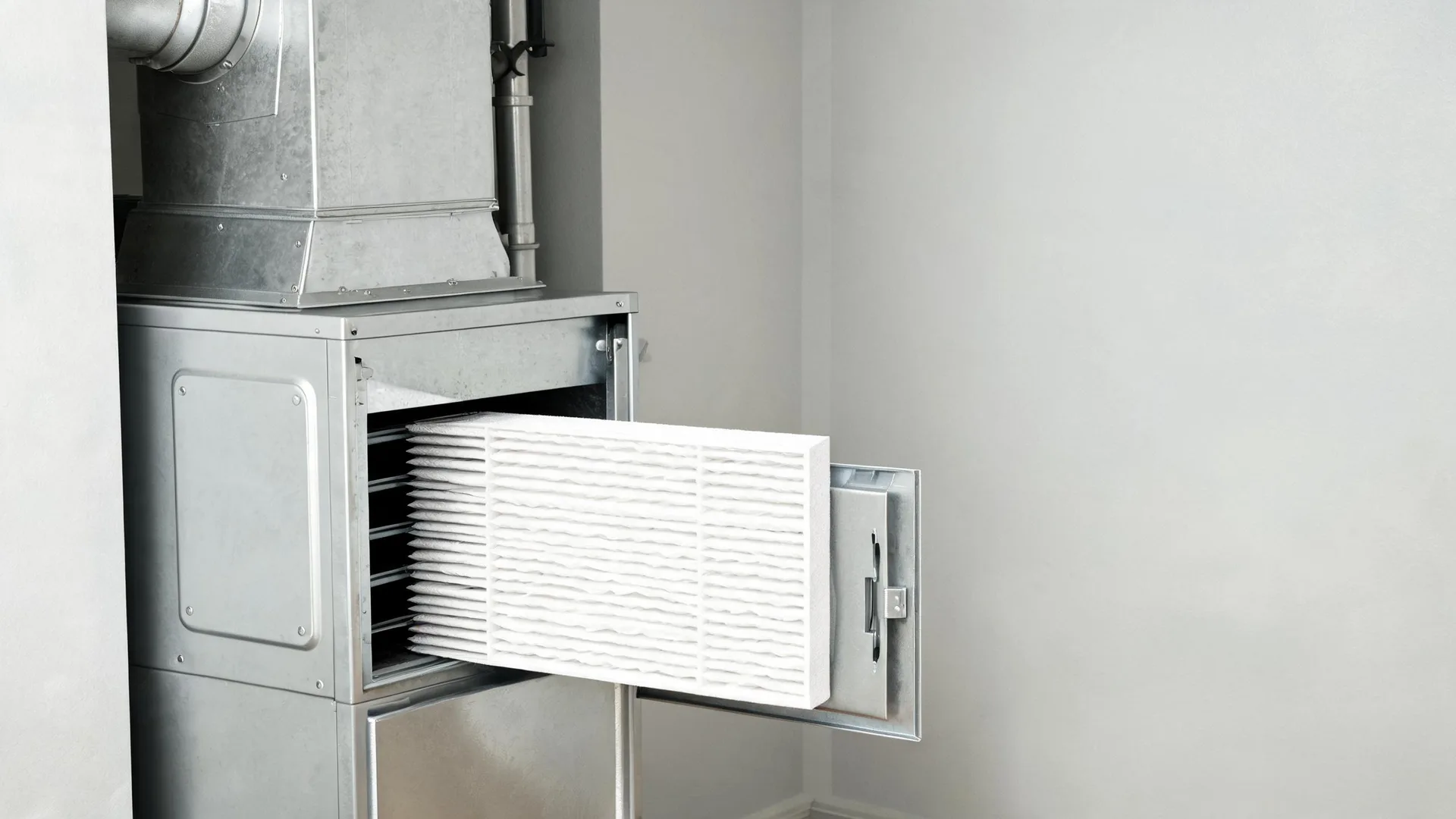
Eleven months of heat
A furnace in Silver Bow County runs from August through June. That leaves one month where the burner and blower sit idle. The rest of the year, the system is cycling on and off to keep up.
Takes about a minute. No obligation.
A furnace in Silver Bow County runs from August through June. That leaves one month where the burner and blower sit idle. The rest of the year, the system is cycling on and off to keep up.
A furnace that runs this many months a year puts more hours on the igniter, the blower motor, and the heat exchanger than one that only runs part of the year. Problems that might show up gradually somewhere else tend to show up sooner here.
Natural gas ran Montana homes $7.77 per million Btu in 2024.
A furnace that skips its tune-up burns more gas to do the same job, and here that waste costs more.

Half the homes in Silver Bow County were built in 1956 or earlier. A furnace that old has usually been replaced at least once, but the ductwork, the gas line, and the venting are often original to the house. Older construction also tends to have less insulation and more places for air to leak, so the furnace already works harder just to hold a temperature. Put a system under that kind of load for years and small issues, a cracked heat exchanger, a failing limit switch, a blower running out of balance, start earlier than they would in a newer, tighter home. A yearly check is how those get caught while they're still small and cheap to fix.
June is the only month the burner gets a break here. A tune-up before the run starts is how the igniter, the blower motor, and the heat exchanger get checked while they're still working fine.
Find a contractorAugust is when the burner starts working for real here, not just a cold snap that passes. Book the tune-up in July, before that first long stretch of cold settles in. A technician checking the igniter and the heat exchanger in July catches a weak part while the furnace is still off duty, not three weeks into a hard freeze with the blower already struggling.
A dirty flame sensor stops reading the pilot flame correctly and shuts the furnace down as a safety measure. A clogged burner port burns dirty and leaves soot inside the heat exchanger. None of this happens in one day. It builds cycle after cycle until the day it finally trips the system, and by then the part is usually due for replacement, not just a cleaning.
A technician checks flame color, tests the limit switch, and inspects the heat exchanger for cracks before any of those cause a shutdown or a safety hazard. A furnace that never gets this look still runs, right up until the day one of those parts fails outright, usually on the coldest day it's asked to work hardest.
A furnace usually tells you before it quits. The burner flame should burn steady and blue. If it starts flickering yellow or orange, the burner is pulling dirty air or burning unevenly, and that's worth a look before it fouls the heat exchanger. Listen at startup too. A bang or thump when the burner lights means gas is pooling before it catches, instead of lighting right away. Short cycling, where the furnace fires up, runs a few minutes, and shuts off before the house warms, usually points to a clogged filter, a failing limit switch, or a flame sensor that's lost its read. A blower that runs constantly, or one that used to cycle on its own and now won't shut off, is working outside how it was built to run. Any of these is a sign the furnace wants a technician's eyes on it, not a reason to wait and see if it gets worse.
If your furnace came with the house, there's a decent chance it's not original. Half the homes in this county go back to 1956 or earlier, but a furnace that old has usually been swapped out at least once along the way. What matters more than the house's age is whether anyone's kept track of when the current furnace went in and whether it's had a check every year since. A system nobody's looked at in a few years is overdue no matter how old it actually is. The tune-up is also when a technician can tell you how many years of work are probably left in it, so a breakdown in the middle of a hard winter doesn't catch you deciding between a repair and a replacement with no time to shop around.