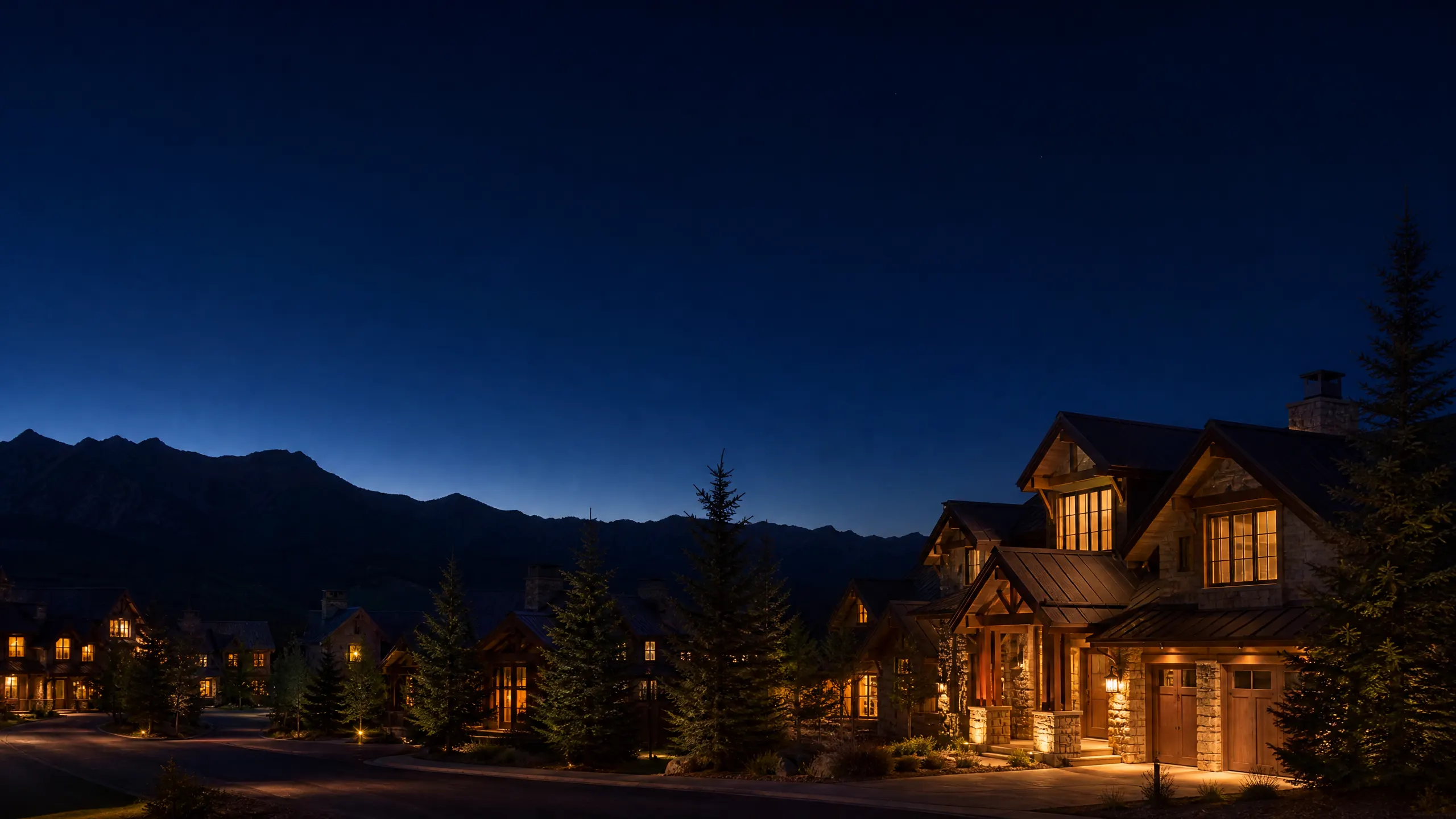


Illuminated timber-and-stone houses line a residential street at dusk, with evergreen trees in the foreground and a silhouetted mountain range behind them.

Furnace Maintenance in Ennis, MT

Tell us about the job

Takes about a minute. No obligation.

Tune-up, service, or cleaningFurnace or heatingMadison County, MT
Step 1 of 2

What ZIP code is the job in?

Propane runs this furnace, and propane isn't cheap. Montana homes paid $22.28 per million Btu for it in 2024. A furnace that's skipped its tune-up works harder to push out the same heat, burning more propane to do it. A dirty burner or a clogged filter makes the system run longer to reach the same temperature on your thermostat. Here, where the furnace runs most of the year, that difference shows up on every delivery.

Furnaces in Madison County run from August through June.

Eleven months of work a year wears parts down fast, and a tune-up catches that early.

Propane heats most homes here, which makes the burner the part worth checking

45.3% of homes heat with propane
Heat runs August through June
Winter nights average 14°F
Newer Furnaces Still Need a Yearly CheckHalf the homes in Madison County were built in 1995 or later.

A furnace moves air, and everything that touches that air stream needs to stay clear to do its job. The filter sits in the path first, and once it loads up with dust, the blower has to pull harder to get the same air through. That strain doesn't stay with the blower. Less air moving across the heat exchanger means the furnace runs longer to push the house to temperature, and a furnace that runs longer burns more fuel doing it. The drain matters on a different kind of furnace, the high-efficiency condensing type that produces moisture as it runs. That line can grow algae or collect sludge over time, and if it backs up, the furnace shuts itself down rather than let water go somewhere it shouldn't. None of this announces itself early. A filter looks fine until it doesn't, and a drain runs clear until the day it's blocked.

A Clean-Running Furnace Costs Less to Keep Up

A tune-up gets the burner clean and the airflow right before propane prices and a long heating season turn that waste into real money on every delivery.

Find a contractor
A gas furnace with attached ductwork, gas piping, and condensate lines installed in a concrete-block basement.

Eleven Months of Work Deserves a Look Before the Twelfth Starts

Eleven months a year is most of a furnace's life spent working. Get it looked at before the season starts, not after a cold snap shows you what's worn. A tune-up now means a technician finds the weak igniter or the dirty burner while the furnace is sitting idle, not while your house needs it running.

Dirt and Dust Don't Stay Put

A furnace draws air through its burner and across its heat exchanger every time it runs. Dust settles on the burner, the flame sensor coats over, and the blower wheel picks up a film on its blades. None of that clears itself. Left alone, a dirty flame sensor will eventually stop sensing the flame at all, and the furnace shuts itself down rather than run unsafe.
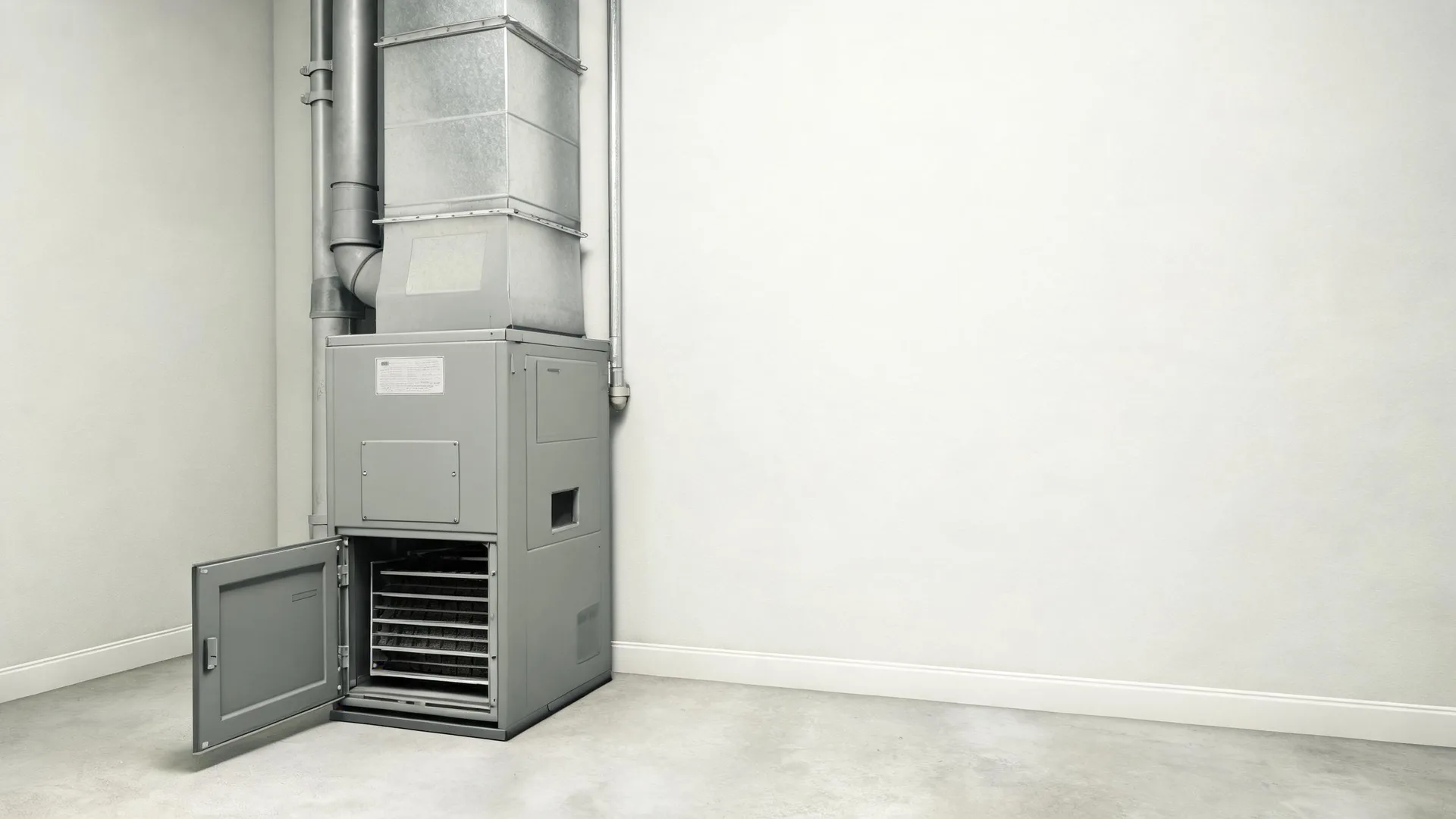
A Skipped Tune-Up Shows Up as a No-Heat Call

Most no-heat calls trace back to something small that went unchecked: a cracked igniter, a flame sensor too dirty to do its job, a blower motor straining on worn bearings. A tune-up catches these while the furnace is still running fine. Without it, the same parts fail on their own schedule, usually on the coldest morning of the stretch, because that's when the furnace is working hardest and has the least room for error.

A furnace usually tells you before it quits. The burner flame should burn steady and blue. If it starts flickering yellow or orange, the burner isn't getting clean combustion and needs a look. Short cycling, where the furnace fires up and shuts off again before the house warms, points to a clogged filter, a failing limit switch, or a blower that isn't moving enough air. A burning or musty smell when the system kicks on usually means dust baked onto the heat exchanger or burner, and it should clear within a minute, not linger. Rattling, grinding, or a new squeal from the blower means a bearing or belt is wearing out, not something to wait on. If the thermostat calls for heat and nothing happens for several seconds longer than it used to, the igniter is likely weak and close to failing outright.

A newer furnace still needs its yearly check, and the sooner that starts, the better shape it stays in. The igniter, the flame sensor, and the burner wear the same way whether the cabinet is five years old or twenty. What a tune-up does for a newer system is keep it running the way it did on day one, instead of losing a little ground each winter until something finally gives out. Catching a weak igniter or a dirty burner now is easy. Catching it after years of hard winters with nobody looking is how a small problem becomes a no-heat call. If your system came with the house, find out when that was and start the yearly check now instead of waiting for a reason to.