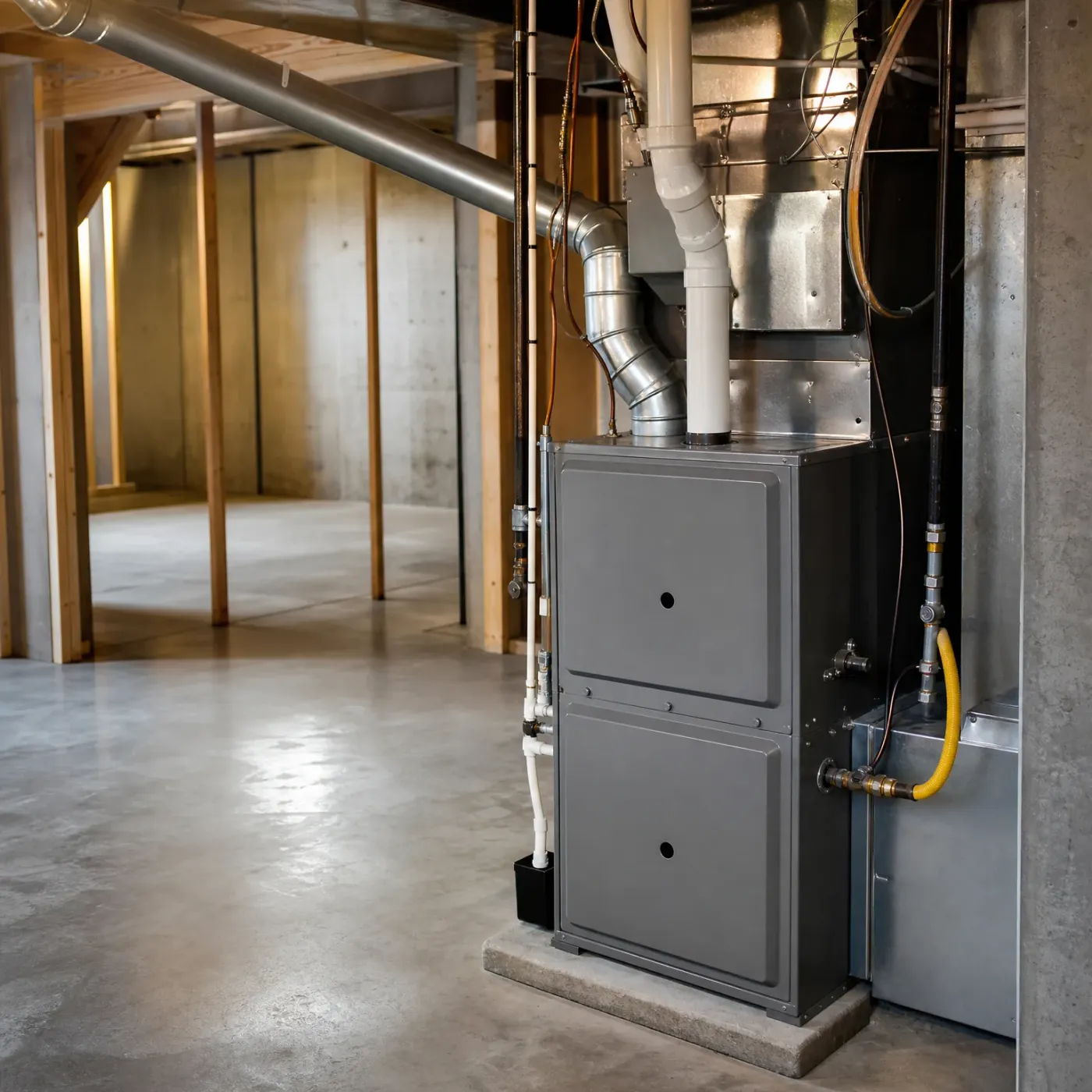
A gray high-efficiency furnace with two white PVC vent pipes stands beside galvanized sheet-metal ductwork in a dim basement with exposed joists and a concrete floor.

Explain it one time

Repair or replace a gas furnace in Missoula, MT

A furnace that's struggling in a Missoula winter is not something to sit on. This page walks through what tells you to repair it and what tells you to replace it, so you know which one your situation calls for. From there it's one call to a local contractor who works on these year-round, not a string of estimates to chase down and compare yourself.

Start one form

Most of the time, the answer comes down to age and how much is actually wrong. If your furnace is under 15 years old and the problem is one part, a cracked igniter, a failed flame sensor, a bad blower motor, repair almost always makes sense. Past 15 to 20 years, the math changes. Older furnaces break more often as they age, and a heat exchanger crack or cracked burner assembly usually costs enough to repair that replacing the unit makes more sense than fixing it one more time. Winters in Missoula run long and cold, so a furnace that's struggling in December or January isn't something to leave half-fixed. A contractor who looks at your specific furnace, its age and what's actually failed can tell you which side of that line you're on.

A gray high-efficiency furnace stands on a concrete basement floor beside galvanized sheet-metal ductwork, with white PVC vent pipes, gas and water lines, and unfinished wood framing behind it.
A furnace venting properly through white PVC pipe, with clean connections and no rust in sight, is one worth repairing.
A beige furnace with two louvered front panels stands on a concrete basement floor beside galvanized ductwork, metal pipes, and a wooden post.
Corroded ductwork and aging pipe near a furnace like this are signs a contractor should look at the whole system, not just the part that failed.
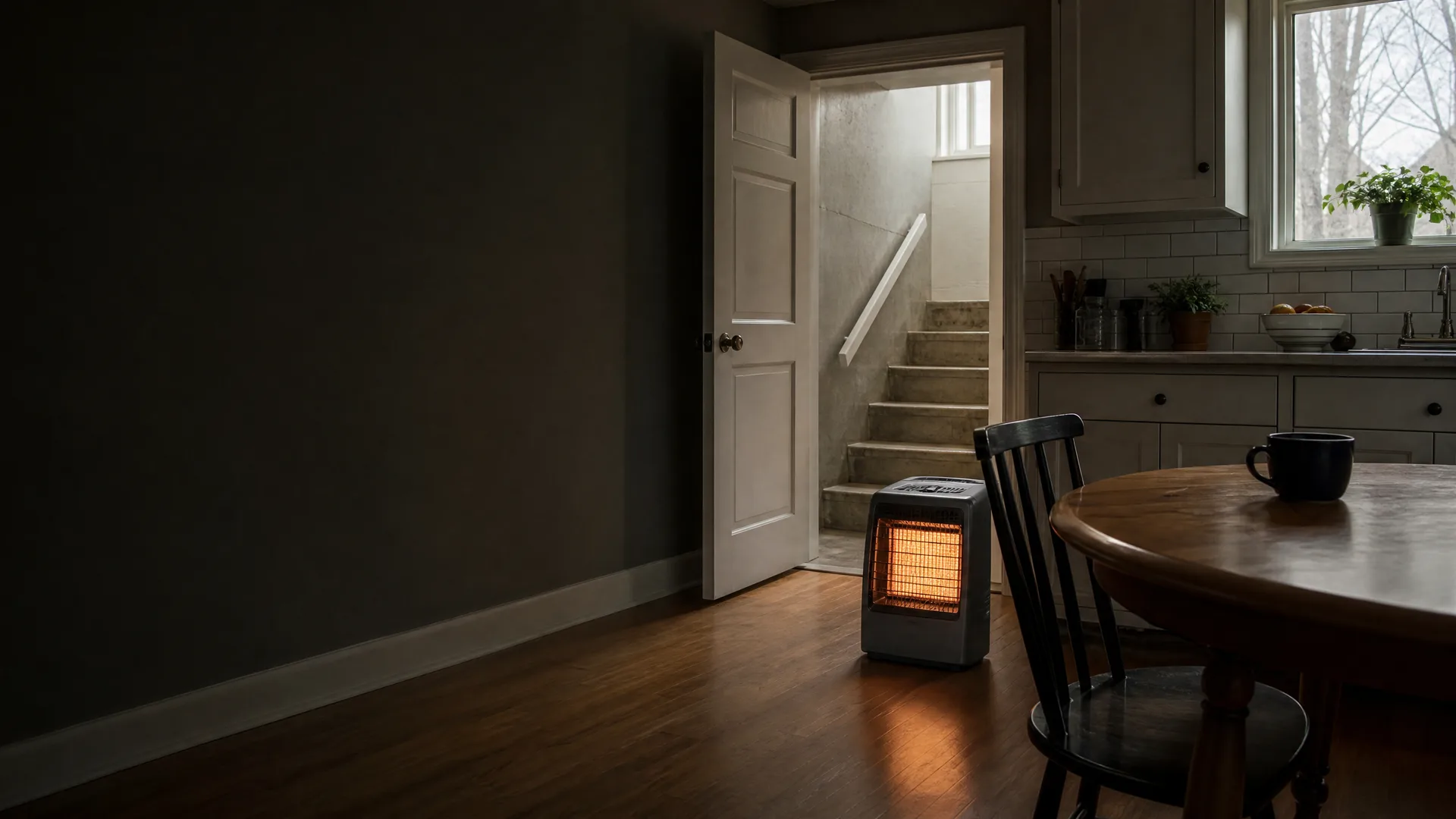
A portable space heater with a glowing orange element sits on a wood floor in a dim room beside a round table and black wooden chair, with an open door leading to a stairwell and a kitchen counter with a window at right.

It's just past six and still dark outside. You're in the kitchen with a mug of coffee, and the space heater is pulled up close to the table, its coil glowing orange. The basement door behind it stands open because you went down twice already to check the furnace, and both times it clicked and tried and gave up before the burners caught. Outside the window the thermometer reads somewhere below freezing, the kind of morning Missoula gets plenty of between December and February. The dog is curled against the heater's base. You can see your breath faintly near the back door. You're doing the math on how long one space heater can keep a kitchen warm while the rest of the house sits cold.


Repair the Furnace or Replace It

Repair

  • A single failed part, an igniter, a flame sensor, a draft inducer, can be swapped out without touching the rest of the furnace.
  • If the furnace is under 15 years old, the cabinet and heat exchanger have more life left in them than the part that just failed.
  • A contractor can check the heat exchanger for cracks before deciding; if it's sound, there's no reason to replace the whole unit over one bad part.
  • Repair costs land on one bill for one job, not a string of estimates from different companies for a full install.
  • A furnace that's been reliable for years and just had its first real failure is usually still worth fixing.
  • If the blower motor or control board is the only thing down, the rest of the furnace keeps running the same way it has for years.

Replace

  • Past 15 to 20 years, a furnace starts failing in more than one place, and fixing one part just moves the next failure closer.
  • A cracked heat exchanger is not a repair; it's a safety issue, and it means a new furnace, not a patched one.
  • A newer furnace holds up better to a Missoula winter than one already patched more than once.
  • If the ductwork or venting near the furnace shows rust or corrosion, a contractor needs to look at the whole system, not just swap the failed part.
  • Replacing now means one contractor who knows this equipment handles the sizing and install, instead of guessing at what the old unit actually needs.
  • A furnace that's needed two or three repairs in as many winters is telling you where this is headed.
A gray high-efficiency furnace in a basement with white PVC vent pipes, sheet-metal ductwork, copper and black piping, a condensate pump, and insulated walls above a concrete floor.

Running the way it should

This is a furnace holding up its end. The ductwork is tight, the condensate line drains clear, and the burner only has to do what it was built to do. A furnace in this shape through a Missoula winter is worth keeping in service with a repair when something in it fails.

A beige residential furnace stands on a concrete basement floor beside galvanized sheet-metal ductwork, a round flue pipe, copper gas piping, and a PVC condensate line, with a wood-paneled wall at right.

Showing its age

Light grime on the panels, an old flue running to a stone chimney, copper and black iron pipe from a different era of furnace. None of that means it's dead. But it tells a contractor to look at the whole unit before putting money into one part, not just patch what failed and wait for the next thing.

A closed dark laptop and a ceramic mug of coffee on a wooden dining table, with wooden chairs, a dark kitchen cabinet with cutting boards and a potted plant, and a leafy plant by a window in the background.

What happens inside the furnace before you ever feel warm air

A gas furnace doesn't just light up and start blowing heat. The thermostat calls, the draft inducer motor spins up first to clear the heat exchanger of any leftover gas, and a pressure switch has to confirm that airflow before the igniter is allowed to glow. Only after that does the gas valve open and the burners light. The blower itself doesn't turn on right away either. It waits for the heat exchanger to warm up, which is why you feel a delay of maybe thirty seconds before air starts moving through your vents. Each of those steps depends on the one before it. A furnace that short-cycles, delays ignition, or blows cold air for too long is usually telling you which step in that order is failing, not that the whole unit is bad.

Knowing that sequence is also why a local contractor can often tell you more over one visit than you'd get from calling around to three different companies and describing the same symptoms three times. Someone who services furnaces through Missoula winters every year has seen which part in that chain tends to go first in homes around here, and checks there before tearing into the rest of the furnace. That's one trip, one diagnosis, instead of you gathering quotes and reexplaining the problem each time.

Interior corner of a living room with a beige upholstered sofa and dark cushion in the foreground, a ceramic vase of leafy branches on a dark side table by a curtained window, a framed picture on the wall, and a wood-surround fireplace at right.
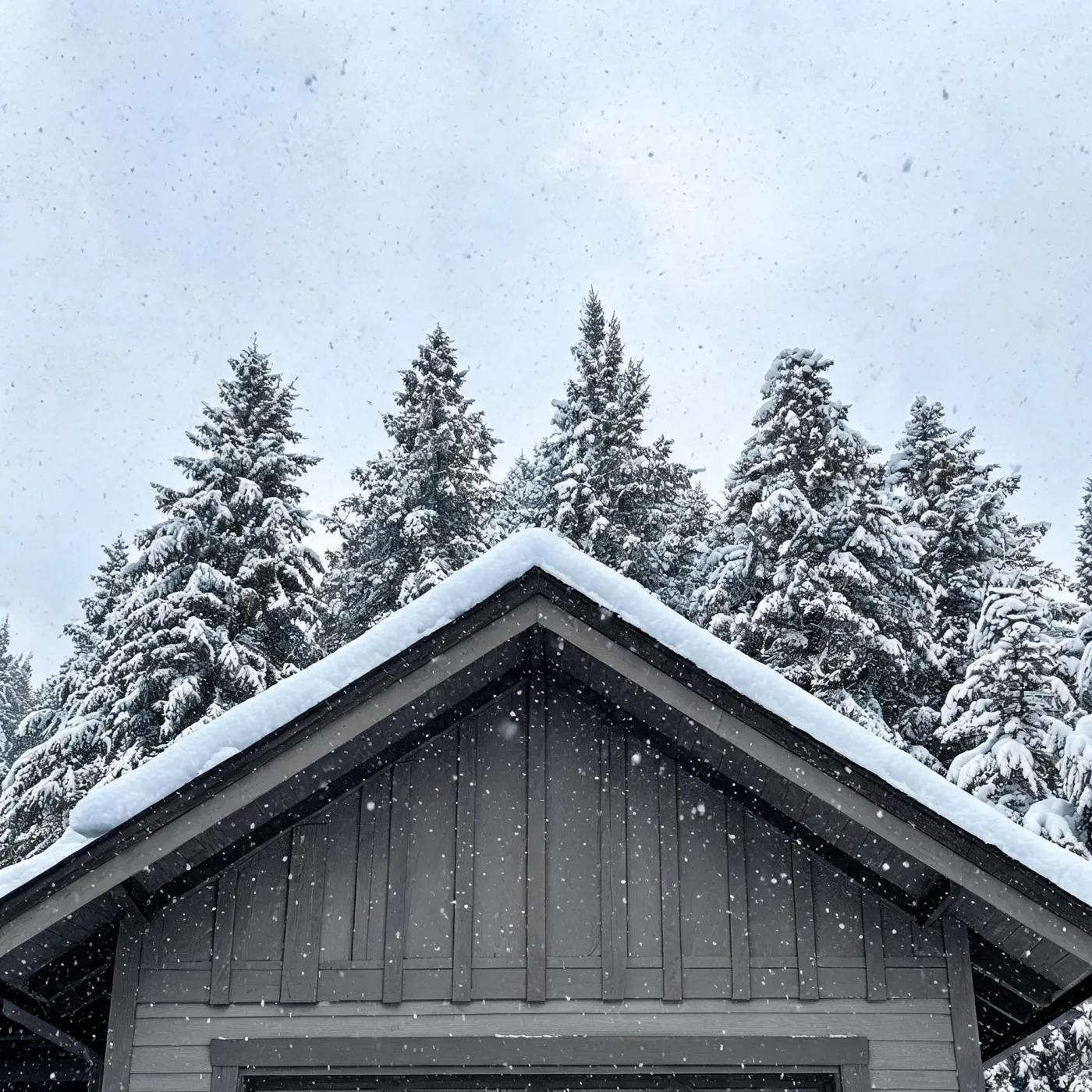
Snow-covered gable roof and gray vertical board siding of a building, with snow-laden conifers and falling snowflakes against an overcast sky.

December through February, nights in Missoula County average 17°F. That's the stretch where a furnace runs almost nonstop, cycling on again not long after it shuts off. A system that's already down to one working burner or a blower motor straining to keep up doesn't get much recovery time at that temperature. You'll notice it as rooms that never quite catch up, a furnace that runs longer than it used to, or a sound that wasn't there last winter. At 17°F, there's no mild stretch to coast through while a problem waits. Whatever's wrong gets tested every night.

Source: NOAA climate normals, Missoula County, MT.

NOAA nClimDiv 1991-2020

A gray-haired man in a dark long-sleeve shirt sits on a gray sofa in a living room, looking toward a sunlit window with sheer curtains.
A gray-haired man in a dark green sweatshirt sits on a sofa in a living room, looking toward a bright window, with a houseplant, lamp, fireplace and framed art behind him.
A gray-haired bearded man in a dark green collared sweater sits on a sofa in a living room with a window, houseplant, floor lamp and bookshelves, looking off to the side.
A gray-haired man in a dark green sweater sits on a sofa in a sunlit living room, looking off to the side, with a framed landscape painting, dining table and shelving behind him.
A gray gas furnace on a concrete pad in an unfinished basement, connected to sheet-metal ductwork, white PVC venting, and a yellow gas line, with concrete walls and wood framing in the background.

No quotes to chase

A licensed installer who works in Missoula County gets your project.

Skip the round of in-home estimates for a new furnace.

Get a licensed local pro

Asking costs nothing, and the choice to hire stays yours.

Why does your furnace room smell or sound different lately

You might have noticed the burner flame looks yellow instead of blue, or there's a faint burnt smell when the furnace kicks on. Maybe it's taking two or three tries to light some mornings, or you're hearing a metallic rattle from the blower that wasn't there last winter. A furnace that short-cycles, running for a few minutes then shutting off before the house warms up, is working harder than it should. Any of these on their own might be one part failing. Left alone through a Missoula winter, a cracked heat exchanger or a blocked vent can let exhaust back into the house instead of out through the flue, which is the one risk here that isn't worth waiting on.

A gray high-efficiency furnace stands on a concrete basement floor beside galvanized sheet-metal ductwork, white PVC vent pipes, copper and black piping, and unfinished wood stud framing.

Working the way it should

The condensate lines run clear to the floor drain, the gas and copper lines sit tight against the block wall, and the ductwork above takes the air without strain. A furnace set up like this just needs its yearly check from someone who services this equipment all season.

A gray furnace with two access panels stands on a concrete basement floor beside sheet-metal ductwork, with pipes, flexible conduit and an electrical box on the concrete wall to the left.

Carrying more than one problem

Flexible conduit, drain lines and gas pipe all crowd this furnace, and the panels get pulled often enough that the fasteners show it. When a furnace reaches this point, a local contractor who knows these systems can tell you if one part is failing or if the whole unit is near the end.

A beige gas furnace with a metal flue pipe stands in a basement against concrete block walls, beside sheet-metal ductwork, copper and white plastic pipes, and a water heater at right.
Before you get your furnace installation
A gray high-efficiency furnace with white PVC vent pipes stands beside sheet-metal ductwork and a water heater in an unfinished basement with concrete walls and wood framing.
After you get your furnace installation

What a heat exchanger failure means

A cracked heat exchanger is the one failure that moves a furnace from the repair side to the replace side almost by itself. It's the part that separates the flame from the air blowing through your house, and once it cracks, combustion gas can mix into that air instead of going out the vent. A contractor checks for this with a combustion analyzer or a camera run through the exchanger, not just a look with a flashlight. If it's cracked, replacing that one part costs close to a full furnace anyway, since it means pulling the cabinet apart. That's when replacement is the only answer worth considering.

What the furnace's own age tells a contractor

The rating plate inside the cabinet gives the install date, and that number matters more than how the furnace sounds or looks from the outside. A furnace built in the last ten years was made to tighter efficiency rules, so even a working older unit is burning more gas than a new one would to put out the same heat. Past 15 to 20 years, parts for that model get harder to source, and a contractor may be matching an old blower motor to a control board that's no longer made. None of that shows up by listening to the furnace run. It shows up on the tag.

How long does a furnace actually have to work here

  • Winter nights average 17°F

    Nights average 17°F through December, January and February, the National Weather Service shows. That's cold enough that a struggling furnace can't just coast until morning.

  • Heat runs September through June

    Heat runs from September through June in Missoula County homes, about ten months out of the year. A furnace on the edge gets little time off to recover.

  • 52.5% of homes heat with gas

    Gas heats 52.5% of Missoula County homes, more than any other fuel per Census data. Most of what's covered here applies to the furnace sitting in your house right now.

NOAA nClimDiv 1991-2020 · ACS 2020-2024

A woman with shoulder-length dark brown hair in a cream knit cardigan sits in an upholstered armchair beside a window, looking off to the side, with a white bookshelf and potted plant blurred behind her.
A woman with dark hair in a bun sits wrapped in a chunky knit blanket on a couch with a child resting his head on her shoulder, eyes closed, beside a lit lamp and bookshelf indoors.

What to do with what you know

  • A furnace under 15 years old with one failed part, an igniter, a flame sensor, a blower motor, is worth repairing rather than replacing.
  • A cracked heat exchanger or a furnace past 15 to 20 years with multiple issues points toward replacement instead of another repair.
  • Nights average 17°F through December, January and February in Missoula County, so the decision shouldn't sit for long once you've made it.
  • A local contractor who works on furnaces through Missoula winters every year has seen which parts fail first in homes like yours.
  • One contractor means one visit and one straight answer, not a string of calls to sort through and compare on your own.
  • Whichever way your furnace falls, knowing the reason behind it is what lets you move on it with confidence.

The split is simple once you look at it straight. One failed part in a furnace under 15 years old is a repair. A cracked heat exchanger, or a furnace past 15 to 20 years already showing more than one problem, is the push toward replacing it. Nothing about a Missoula winter changes that math, but it does change the timeline. Nights average 17°F through December, January and February, and a furnace that's already struggling has no slack left to work with once the cold sets in.

What matters now is getting the right person to look at it. A contractor who services furnaces through Missoula winters every year has already seen what tends to go first in homes around here, whether that's a draft inducer worn down from running nonstop or a heat exchanger that's finally given out after years of cycling through the cold months. That's not guesswork on their part. It's the same equipment, the same weather, the same failures showing up winter after winter.

Sorting that out yourself usually means calling around, explaining the same problem two or three times, and then trying to compare what each contractor told you. Submitting a request here skips that part. It goes to one licensed local contractor, not a handful of companies competing for the job, so you get one visit and one answer you can actually act on. Whichever way your furnace falls, repair or replace, you'll know why, and that's what lets you move on it instead of sitting with it through another cold month.

A dark gray high-efficiency furnace with two white vent pipes and connected sheet-metal ductwork stands in an unfinished basement with concrete walls, a support pole, and a small window.

Skip the calls to every shop

New system or replacementFurnace or heatingMissoula County, MT
Step 1 of 2

What ZIP code is the job in?