
Why your gas furnace won't light in Great Falls, MT

RepairFurnace or heatingCascade County, MT
Step 1 of 2

What ZIP code is the job in?

A gas furnace that won't light usually comes down to one of a few things. The igniter can be cracked or worn out and no longer getting hot enough to start the flame. The flame sensor can be coated with residue, so the furnace thinks no flame is present and shuts the gas valve back off. A clogged filter can choke airflow until the furnace trips a safety switch and refuses to run. The pilot or ignition control board can fail outright. In Great Falls, where winter cold sets in hard and stays, a furnace that won't light is not something to wait out, since a gas furnace is most homes' only real source of heat here. The fix depends on which part failed, and that takes someone checking the furnace in person to know for sure.

A gray gas furnace stands on a concrete basement floor, connected to sheet-metal ductwork, white PVC vent pipes, and a yellow gas line, with plastic sheeting covering the walls.

A furnace lighting the way it should

This is a newer gas furnace, clean, with its vent pipes and gas line in good shape. The igniter glows and catches the flame on the first try, every time you need it. No soot, no hesitation, no repeated clicking before it fires.

A metal furnace with louvered panels stands against a concrete basement wall, connected to sheet-metal ductwork and a round flue pipe, with wooden framing posts and a pipe nearby.

A furnace that's starting to struggle

This older unit shows years of dust on the cabinet and the burner compartment. The igniter weakens with age, and a flame sensor coated with residue can stop it from lighting at all. If yours is original to the house, this is what's happening inside it.

Why does my furnace click but not light?

You hear the furnace clicking away but no flame ever catches, and the house keeps getting colder while it tries. In Great Falls that clicking during a hard winter night is enough to make anyone nervous, especially if there's no backup heat running. You want to know what that sound means before you decide whether to wait it out or call someone.

The clicking is the igniter trying and failing to start the flame

That clicking is the igniter firing over and over, trying to light the gas and not managing it. On an older furnace with a spark igniter, three or four clicks and then silence usually means the igniter itself is worn out or cracked and can't throw a strong enough spark anymore. On a furnace with a hot surface igniter, the clicking you hear is more likely the gas valve opening and closing as the control board gives up and retries. Either way, gas is reaching the burner but nothing is setting it off, which in a Cascade County winter means no heat is moving through the house until that part gets replaced.

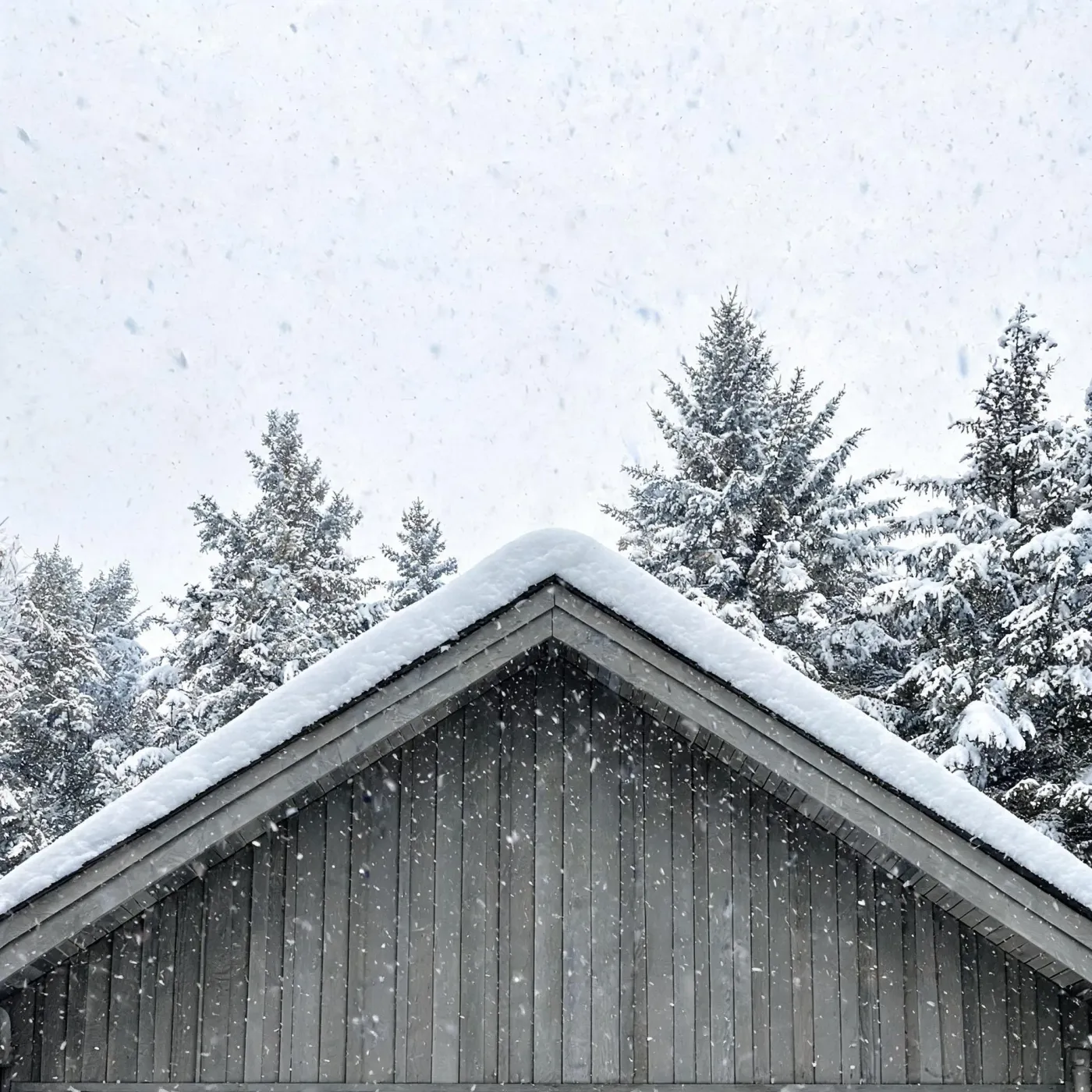
The snow-covered gable roof and vertical wood-clad upper wall of a building, with snow-laden conifers and falling snow behind it under a pale sky.

Winter nights in Cascade County average 16°F, cold enough that your furnace is running long stretches just to hold the house steady. That kind of runtime puts real hours on the igniter, and an igniter already going weak is more likely to fail on a night this cold than a mild one. When it does, you'll notice the house losing heat fast, since outside air at 16°F pulls warmth out through walls and windows quickly once the furnace stops keeping up. Source: NOAA 30-year climate averages for Cascade County, MT.

NOAA nClimDiv 1991-2020

A gray high-efficiency furnace in a basement with sheet-metal ductwork, white PVC vent pipes, metal plumbing lines, a condensate pump on the floor, and a window showing green trees outside.
A furnace in good shape won't leave you guessing. Clean burners, tight gas lines, and a flue that vents the way it was designed to.
An older metal furnace with PVC and metal pipes stands on a concrete basement floor beside galvanized ductwork, with wooden stairs and a water tank in the background.
A furnace like this one has sat unused long enough for dust to settle on every surface, and that neglect usually shows up first as a lighting problem.
  1. The thermostat calls for heat and tells the control board to start.

  2. The inducer motor kicks on to clear the heat exchanger of air.

  3. A pressure switch checks the inducer is pulling enough draft.

  4. The igniter heats up or a spark starts across the electrodes.

A woman with dark hair in a bun wearing a cream knit sweater sits on a gray sofa in a bright living room, looking off to the side.
A woman wrapped in a knit blanket sits on a gray sofa in a living room, looking toward a bright window with houseplants and an armchair in the background.
A woman in a gray cowl-neck sweater sits on a light sofa with cushions, smiling and looking to the side, with a kitchen and window visible behind her.
A woman with dark hair in a bun, wearing a light linen shirt, sits on a sofa and looks to the side, with a window, houseplants and a kitchen with pendant lights blurred behind her.

Get matched with a furnace pro in Cascade County

A furnace that won't light on a night this cold in Cascade County isn't something to keep testing on your own. You've already heard it click, maybe watched the igniter glow or not glow, maybe checked the flame sensor yourself. At some point the problem stops being about which part is bad and starts being about the house getting colder while you figure it out. Diagnosing a cracked igniter versus a dirty flame sensor versus a failed pressure switch takes someone who's opened up furnaces like yours before, because the symptoms overlap and guessing wrong means another night without heat. Handing this to a licensed contractor means someone who knows gas furnaces is the one looking at yours, not you working through a list of parts in the cold. That's one less thing on your plate on a night when the house needs heat back.

Where This Leaves You

  • A furnace that won't light almost always traces back to the igniter, the flame sensor, the gas valve or a failed pressure switch.
  • Clicking with no flame means the igniter or flame sensor needs a look, not more thermostat adjusting.
  • Winter nights averaging 16°F in Cascade County push a weak igniter toward failure faster than mild weather would.
  • A furnace that sat unused picking up dust and soot tends to show ignition trouble sooner than one kept clean.
  • None of these parts get diagnosed by guessing, a furnace that won't light needs someone to check it in person.
  • Once a contractor is on the way, the only thing left for you to do is stay warm until they get there.

A furnace that won't light is doing exactly what it's built to do when something's wrong. It's not broken in some mysterious way. The igniter either glows or it doesn't. The flame sensor either reads a flame or it tells the gas valve to shut back off. A pressure switch either sees the draft it needs or it stops the sequence before gas ever flows. These are specific parts, each with a specific job, and when one fails the whole startup stalls at that point every time. That's why the clicking repeats instead of turning into heat. Cold nights in Cascade County don't create this problem, but they make an already weak part fail sooner, and a furnace that sat quiet for months can carry dust or soot that gets in the way of a clean ignition. None of that changes what the fix looks like. Someone has to look at the igniter, test the flame sensor, check the gas valve and the pressure switch, and find which one stopped doing its job. Once that's done, you're not the one tracking down what's wrong anymore or waiting on a guess that didn't pan out. The house gets warm again because the actual part got found and dealt with, not because the thermostat got bumped up one more time.

Sunlight falls across a beige upholstered sofa with a textured woven cushion and a chunky knit throw, beside a dark wood cabinet holding a ceramic vase with green leafy branches, near a white-framed window.
A sunlit corner of a room with a wooden side table holding a ceramic vase of green foliage and a wooden bowl, beside a light upholstered sofa with a knit throw and rust-colored pillow, with window shadows cast on a beige wall.
A sunlit room corner with beige walls, a white-framed window with sheer cream curtain, wood floor with a light rug, and a woven basket holding a knit blanket.
A beige ceramic vase holding a leafy green branch sits on a wooden cabinet in a corner, with sunlight through a sheer curtain casting leaf shadows on the wall.
A grey upholstered sofa with a rust-orange velvet cushion and a textured throw sits beside a window with linen curtains, next to a wooden side table holding a pale ceramic vase of olive branches.

A local pro for your furnace repair

Send the request today and stop worrying about who to call.

Hand it over

Asking costs nothing, and the choice to hire stays yours.