Repair or replace a gas furnace in Great Falls, MT
Should I repair or replace my gas furnace in Great Falls?
Your furnace just quit, or it's limping along, and the repair bill in your hand is making you do the math on whether it's worth it. Winters in Great Falls don't leave much room for a wrong guess. You want someone to tell you straight whether to fix what's there or start over with a new unit, based on what's actually wrong with it and not just a sales pitch.
Repair it if it's under 15 years old, replace it if it's older or the repair is a cracked heat exchanger
A furnace under 15 years old with a failed igniter, blower motor, or flame sensor is usually worth fixing. Those are single-part failures and a licensed contractor can have the furnace running the same day. Past 15 years, or if the problem is a cracked heat exchanger, the math changes. Cascade County winters put a furnace to work for months straight, and an older unit under that kind of strain tends to bring the next failure sooner than you'd think. A cracked heat exchanger isn't a repair you patch; it's a safety issue, since it can let combustion gas into the air you're breathing, and it means the furnace needs to come out.
A technician checks the igniter, flame sensor, and heat exchanger first.
They pull the furnace's error code from the control board.
They weigh the repair cost against the furnace's age and condition.
You get a straight answer on whether to repair or replace.
Fix the Furnace or Replace It
Repair
- A cracked heat exchanger can't be patched, but a bad igniter, flame sensor, or blower motor usually can, often for a few hundred dollars.
- If the furnace is under ten years old and this is its first real breakdown, repair is the sensible call.
- A repair gets heat back the same day in most cases, which matters when it's January in Great Falls.
- If the rest of the furnace is sound, fixing one failed part buys you more winters without a bigger bill.
- Some parts, like igniters and flame sensors, are common failures on furnaces that are otherwise fine.
Replace
- A furnace past 15 years that needs a major repair is usually not worth fixing twice.
- Gas furnaces lose efficiency as they age, so an old unit can cost more to run every winter it stays in.
- If the heat exchanger is cracked, replacement is the only safe option; that part can't be repaired.
- A new furnace sized right for your house handles a Great Falls winter without running constantly to keep up.
- If you've had more than one repair call in the past year or two, replacing ends the pattern instead of paying for it piece by piece.
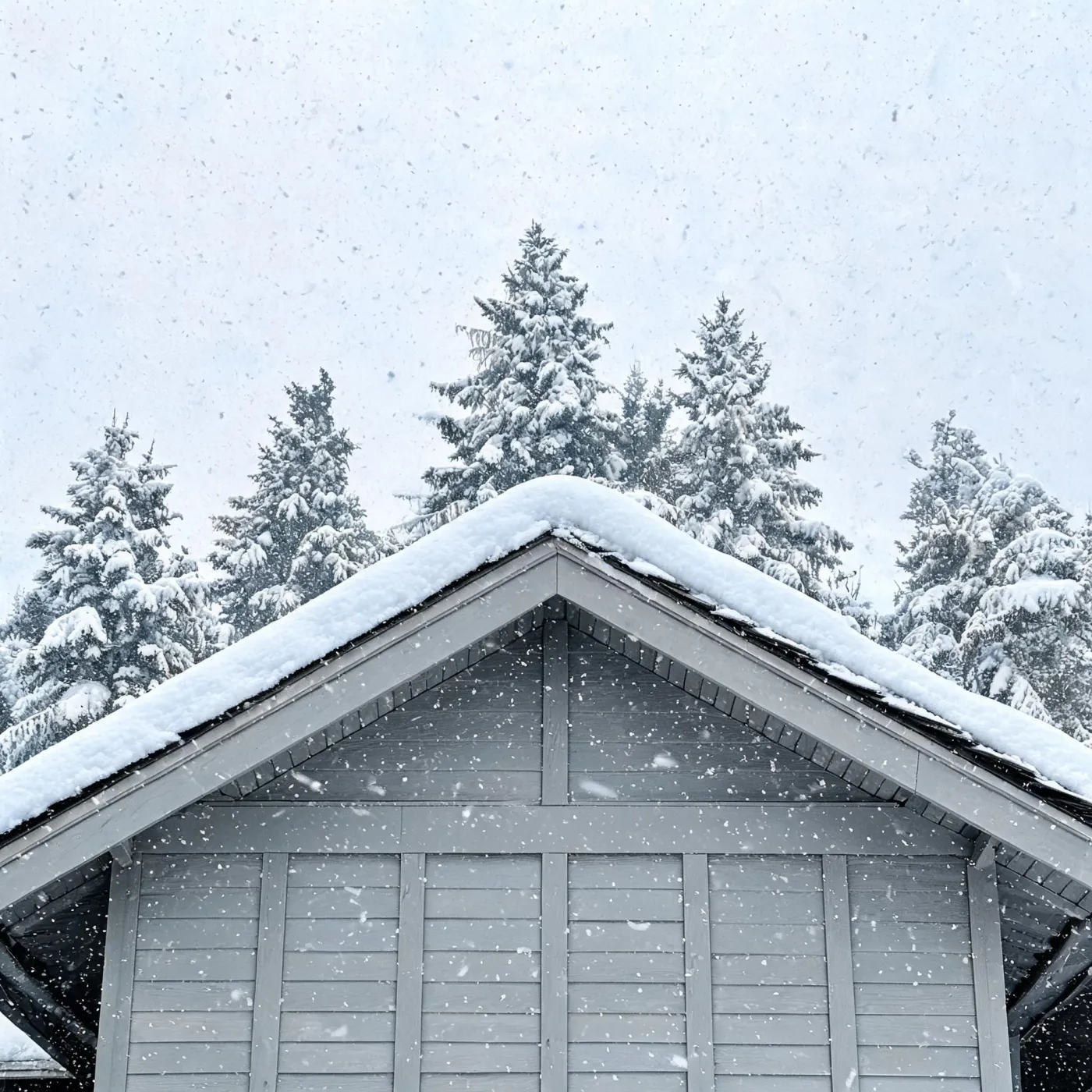
Through December, January and February, the overnight low in Cascade County averages 16°F, according to NOAA climate data. That's the stretch where your furnace runs longest, often holding a steady burn from evening until sunrise instead of cycling on and off like it does in fall or spring. A unit that's already struggling, a weak igniter or a blower motor on its way out, tends to show it during these months, not before. If your furnace is going to quit, 16 degree nights are when you'll find out.
NOAA nClimDiv 1991-2020
What are you noticing with your furnace right now
Maybe it's short cycling, kicking on for a few minutes and shutting off before the house warms up. Maybe you're hearing a clicking at the igniter that doesn't catch, or a boom when it finally lights. Some rooms might be colder than others, or the air coming out of the vents feels lukewarm instead of hot. You might notice a burning smell when it first kicks on, or the pilot light area looking yellow instead of blue. If it's been limping along for a while, your gas bill may have crept up too, since a struggling furnace burns fuel without heating the house well. None of this fixes itself once it starts, and at 16°F outside, a furnace that can't keep up isn't something to leave for later.
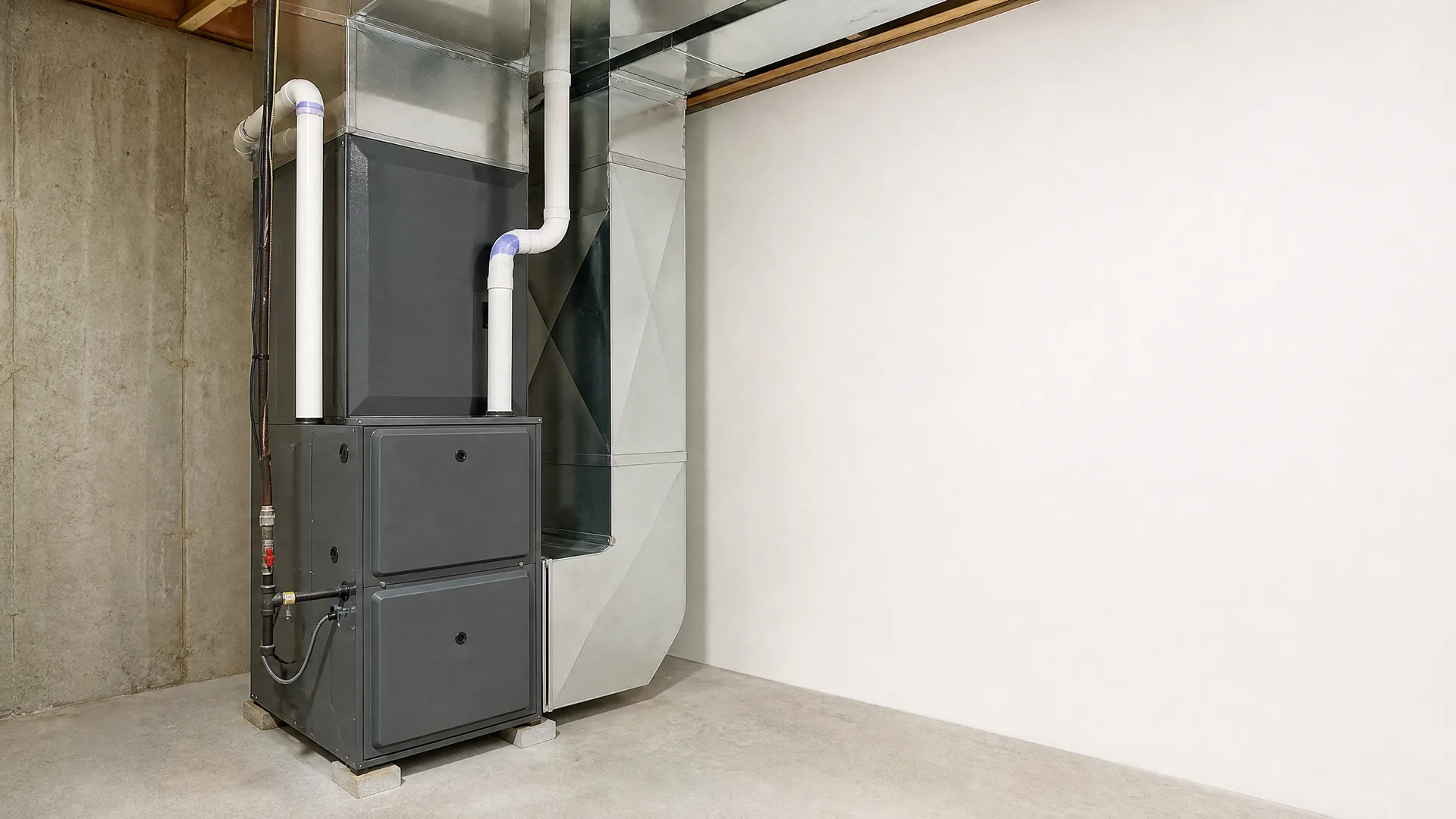
How a heat exchanger fails
A furnace's heat exchanger is a metal chamber that separates the flame from the air moving through your ducts. Heating and cooling, over and over through a Cascade County winter, makes the metal expand and contract. Eventually it cracks. A cracked exchanger lets combustion gas mix with the air going into your house, and that's why a technician will not patch one. The furnace gets replaced instead.
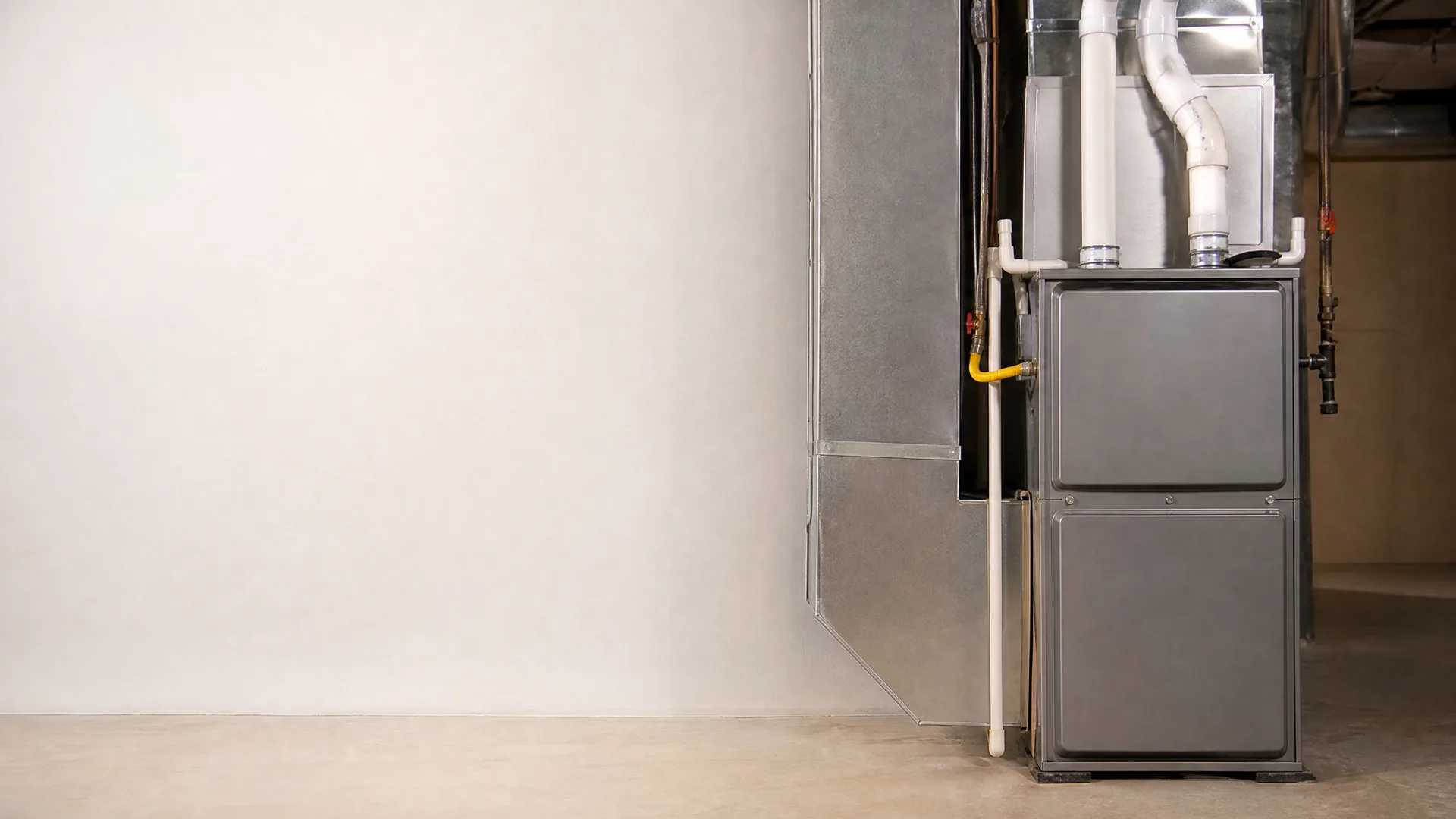
Why age changes the math
Furnace parts don't fail on a schedule, but a control board, blower motor, or inducer motor on a 15 year old furnace has been running far more hours than the same part on a furnace installed five years ago. When one major part goes on an older unit, the next one is usually not far behind. That's why a technician weighs the furnace's age right alongside the repair itself before telling you which way to go.
How long does a furnace actually have to work here?
Winter nights average 16°F
Nights average 16°F in December, January and February, so your furnace isn't just kicking on, it's fighting real cold for hours at a stretch.
Heat runs September through June
Heat runs from September through June here, about ten months. That's most of the year your furnace can't afford to be down.
72.4% of homes heat with gas
72.4% of homes in Cascade County heat with gas, same as yours. A contractor here sees this exact furnace setup all the time.
NOAA nClimDiv 1991-2020 · ACS 2020-2024




It's off your list after this
A furnace that's already failed once this winter isn't likely to make it to June on its own. Cascade County asks ten months of work out of a furnace, and once you're past the point of a cheap fix, every week you wait is a week closer to a night at 16 below with no heat at all. That's not a risk worth sitting on while you shop around. Getting a straight answer on repair versus replace means someone local, who sees this equipment in this cold every season, actually looking at your furnace instead of you guessing from a repair estimate. That's what the request next to this does. Send it and the search is off your plate. You still decide what happens with your furnace. You just won't be the one tracking down who can look at it.
An old furnace that keeps running
Some furnaces make it past fifteen years without much trouble, and if yours is one of them, running it longer isn't reckless by itself. Keep an eye on the gas bill compared to last winter. A furnace that's losing efficiency as it ages will cost more to run even when nothing's visibly broken, because the burn isn't as clean and the cycles run longer to make up for it. If the heat exchanger has been checked recently and it's sound, and repairs so far have been small ones, there's no rule that says a furnace has to be replaced just because it's old. The question is whether it's still doing the job without costing you more than a new one would.
A furnace you can't trust anymore
Some homeowners replace a furnace that still runs because they're done gambling on it. If it's shut off twice this winter already, each time on a night you needed it, the furnace has told you something a repair bill can't fix. A technician can replace a part, but can't promise the next part won't go the week after. For a house in Cascade County, where the overnight low in January sits around 16°F, that uncertainty has a real cost attached to it, not just an inconvenience. Replacing it means the next ten months of heat don't depend on a repair holding.


A furnace doesn't just flip on. The draft inducer motor spins up first, clearing the vent, and a pressure switch has to confirm it before anything else happens. Only then does the igniter get power, glowing hot for a stretch before the gas valve opens. The valve itself doesn't dump full gas right away. It ramps up in stages, so the burners ease into full flame. A flame sensor is watching the whole time, and if it doesn't detect a lit burner fast enough, the control board cuts the gas and tries again rather than let gas flow unburned. The blower waits too, giving the heat exchanger a few seconds to warm so you're not getting a blast of cold air through the vents. Limit switches keep watch on the heat exchanger's temperature the entire time the furnace runs, and they'll shut the burners down if airflow gets restricted, which is the reason a clogged filter can take a furnace offline even when every part is working fine.
What happens when it starts up
- A gas valve opens in stages, so a furnace ramps up to full flame over several seconds instead of firing at full output right away.
- The draft inducer motor has to prove it's pulling air through the vent before the igniter is even allowed to glow.
- A hot surface igniter draws current for about 20 to 30 seconds before the control board sends gas to the burners.
- The blower doesn't start blowing warm air into your ducts until the heat exchanger has had a few seconds to warm up, so cold air doesn't hit the room first.
- A flame sensor has to detect the burner is actually lit within a few seconds or the control board shuts the gas valve again as a safety check.
- Limit switches watch the temperature inside the heat exchanger and will cut the burners if airflow is restricted, which is why a dirty filter can shut a furnace down.


A furnace that won't hold heat through a Cascade County night isn't something to sit on, and now you know whether yours is worth saving or worth replacing. If the fix is small and the furnace is young, get it running again. If the heat exchanger is cracked or the furnace has seen fifteen winters already, put the money into a new one instead of another repair bill. Either way, the work is the kind a local contractor handles every winter here, the igniters, the cracked exchangers, the furnaces that just can't keep up at 16 below anymore. You'll be matched with one licensed contractor who works this equipment in this county all season, not a handful of companies competing for your callback. That's one person who already knows what tends to fail in a Great Falls winter and what doesn't, looking at your furnace instead of a dozen other jobs at once.





Stop chasing a furnace pro
Only one pro gets your request, so you hear from one company.
Asking costs nothing, and the choice to hire stays yours.