Profile view of a bearded man wearing a dark green baseball cap and a dark gray T-shirt against a plain light background.

Why your gas furnace won't light in Bozeman, MT

RepairFurnace or heatingGallatin County, MT
Step 1 of 2

What ZIP code is the job in?

Why won't my gas furnace light in Bozeman?

Cold mornings in Gallatin County are when a furnace that won't light gets noticed fastest. You go to the thermostat, bump the temperature, and hear the furnace try and fail, or hear nothing at all. With winters here as hard as they are, a furnace that won't start is not something to leave for later. There are a handful of reasons this happens, and most of them point to one part of the system.

Usually a bad igniter, a dirty flame sensor, or the pilot

Most furnaces in Gallatin County are gas, and most gas furnaces today light with an electric igniter instead of a standing pilot. That igniter weakens over time, and once it can't get hot enough, the furnace won't fire. A close second cause is a dirty flame sensor. It's supposed to confirm the flame is burning, and when it's coated with residue it shuts the gas off even though the furnace tried to light. If your furnace is older and still uses a standing pilot, a draft or a worn thermocouple can blow it out or stop it from being sensed. Any of these can leave you with a furnace that clicks, hums, or does nothing at all on a cold morning.

A beige high-efficiency furnace stands on a concrete basement floor beside sheet-metal ductwork, with white PVC vent pipes, flexible conduit and copper and steel piping running up a concrete wall to an electrical box.

When it's lighting the way it should

The burners catch on the first try, the flame holds steady, and warm air moves through the ducts within a minute or so. No clicking, no delay, no smell of gas at the vent. That's a furnace with a clean igniter and a flame sensor doing its job.


An older gas furnace with a louvered front panel stands on a concrete basement floor beside large sheet-metal ductwork, a metal flue pipe, copper piping and wood framing.

When it's struggling to stay lit

You hear the inducer motor run, a click or two, then nothing. Or it lights and shuts off again a few seconds later. Dust built up around the base like this often means the flame sensor or the burners haven't been cleaned in a while.

Call Now or Wait a Day

Call for repair now

  • The furnace tries to light and fails, clicking several times before the burners finally catch or the unit locks out.
  • You smell gas near the furnace or at a vent, even faintly, which points to a problem a contractor needs to check right away.
  • The pilot or igniter was fine last week and now the furnace won't fire at all on a morning that's well below freezing.
  • You've reset the breaker or the switch once and the furnace still won't light, so the problem is past what resetting can fix.
  • Warm air isn't reaching some rooms, or the air coming out is barely warm, while outside stays in the single digits or below.

Safe to wait a day

  • The furnace lit on the second or third try and has run steady since, with no clicking or delay since then.
  • You haven't checked the thermostat batteries or the furnace switch yet, and either one being off can look like a furnace that won't light.
  • The filter hasn't been changed in a while and airflow feels weak, which a new filter alone may clear up.
  • It's a mild stretch in Gallatin County, not a hard cold snap, so there's less urgency if the furnace is running at all.
  • The furnace lights and holds a flame fine, but the house is just slower to warm up than it used to be.
A gray high-efficiency furnace with two access panels stands in a bare basement corner, connected to sheet-metal ductwork, white PVC vent pipes, and flexible gas and electrical lines.

The igniter does the real work

A hot surface igniter glows for about 30 seconds before the gas valve opens. It has to reach a set temperature or the furnace won't let gas through at all. Years of heating cycles leave it brittle, and a hairline crack is enough to keep it from glowing hot enough, even though it still lights up when you look at it. That's why a furnace can click away and never catch, with no error you can see.

A gas furnace with metal ductwork, copper and yellow gas piping stands against a wall in an empty room with a bare concrete floor.

Why the flame sensor shuts things down

Once the burners catch, a flame sensor has to detect that fire within a few seconds or the furnace shuts the gas valve again as a safety check. Soot and oxidation build up on that sensor over a heating season, coating it just enough that it stops reading the flame correctly. The burners light, run for a moment, then cut out. Run that a few times and the furnace locks itself out until someone resets it or clears the sensor.

What you're probably noticing right now

You bump the thermostat up and wait. The furnace clicks a few times, maybe four or five, then goes quiet, and the house stays the same temperature it was. Some mornings it catches on the second try and you forget about it until it happens again. The air coming from the vents might run cool for a minute before any heat shows up, or not come at all. If you've noticed this getting more frequent over the past few weeks rather than a one-time thing, that's worth paying attention to. A furnace that's failing to light more often isn't going to fix itself, and in a Gallatin County winter, a morning without heat gets uncomfortable fast, especially overnight when nobody's awake to notice the house cooling down.

  1. Thermostat calls for heat and signals the control board

  2. Inducer motor starts and pulls air through to clear the vent

  3. Pressure switch confirms draft before the board allows ignition

  4. Igniter heats up for about 30 seconds to reach temperature

A gray high-efficiency furnace with white PVC vent pipes stands in an unfinished basement beside sheet-metal ductwork, gas piping, and insulated stud walls on a concrete floor.
A furnace heating a Bozeman home right now, drawing gas through the black pipe and venting exhaust out the PVC overhead.
A beige sheet-metal furnace with a louvered upper panel stands on a concrete basement floor, connected to galvanized ductwork, white PVC vent pipes, and a metal gas line with an electrical box.
This is what a furnace looks like when the igniter, pressure switch and gas valve are all doing their job together.
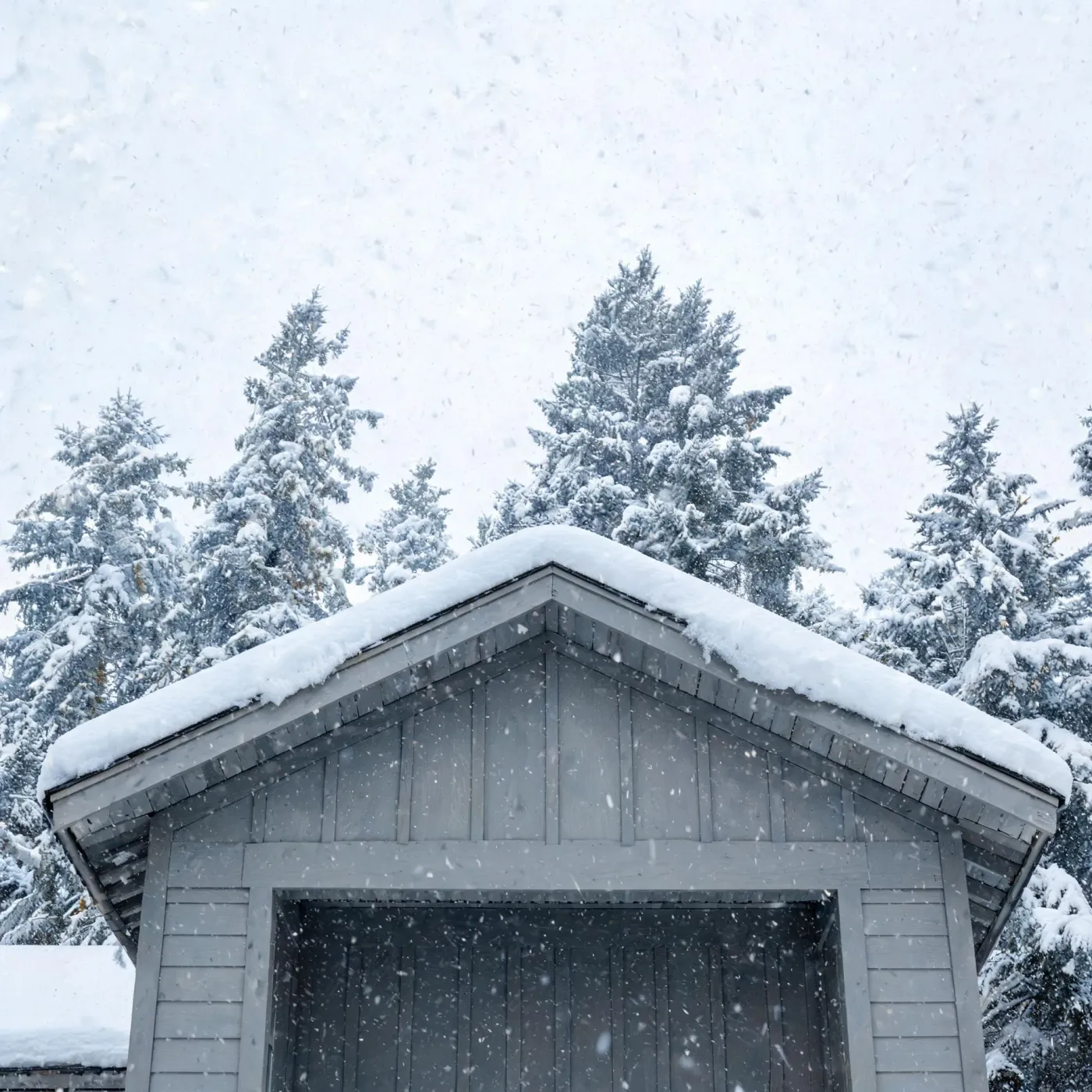
Gable end of a gray wood-clad building with a snow-covered roof and open doorway, backed by snow-laden conifers during falling snow.

Gallatin County's overnight lows in December, January and February average 13°F, according to NOAA climate data. At that temperature, a furnace is cycling on and off most of the night, and a glitch that caused one failed light in October shows up as three or four failed lights in January. The igniter is working harder and more often, and whatever was already starting to crack or corrode gets found out faster. If your furnace has been catching on the second or third try for a couple of weeks, this is the stretch of winter where it tends to stop catching at all. A local contractor who services furnaces through Gallatin County winters has likely seen the same igniter or pressure switch fail in houses near yours, and knows what to check first.

NOAA nClimDiv 1991-2020

Get the right pro for your furnace

A furnace that won't light in a Bozeman winter isn't something to leave for a few days to see if it sorts itself out. At 13 below zero overnight, a house can lose heat fast, and pipes along outside walls are the first to feel it. Figuring out whether the problem is a cracked igniter, a dirty flame sensor or a pressure switch that won't confirm draft takes someone who can open the unit and test each part in order, not a guess from the thermostat. The contractor who gets matched to your request works on furnaces like yours around Gallatin County all winter, in the same cold, on the same kind of equipment, and knows which of these failures shows up most once the overnight lows settle in. That's who reaches out, one contractor, not a handful competing for your callback. With the burners not catching and the house cooling off, getting a diagnosis started today matters more than waiting to see if tomorrow morning goes better.

A problem that comes and goes

Some mornings the furnace lights on the second or third try instead of the first. It still works by the time you leave for the day, so it's easy to let it ride. A cracked igniter or a pressure switch that's just starting to stick often behaves this way at first. It fails, then doesn't, then fails again a few days later. There's no gas smell, no error code flashing, nothing that looks urgent. A contractor can check the part now, while it's still a short visit, instead of after it quits for good on a night when the house needs the heat most.

A problem you can't wait on

The furnace tries, clicks several times, and locks out. No heat comes through the vents at all, and bumping the thermostat doesn't change that. If it's overnight in January, the house starts losing ground fast, and pipes along outside walls are the first to feel it. A faint gas smell near the unit falls in this category too, no matter how brief. This isn't a wait and see situation. It calls for someone out to look at the igniter, the pressure switch or the gas valve before the next cold stretch finds the house with no heat at all.

A woman in a gray turtleneck sweater stands by a window looking outside at snowy ground, with a dimly lit living room containing a sofa, shelves, lamp and a lit candle behind her.
A woman in a cream cable-knit turtleneck sweater stands in a warmly lit living room with a fireplace and shelves behind her, looking out a window toward snow-covered trees and a railed deck.
A woman in a cream knit turtleneck sweater stands by a window looking out at snow, with a lit fireplace, sofa and lamp in the room behind her.
A woman in a gray knit sweater sits by a window looking out at falling snow, with a dimly lit living room containing a sectional sofa, pillows, a lamp and houseplants behind her.

The igniter gets the credit, but the flame sensor is what keeps the furnace running past the first few seconds. It's a thin rod sitting right in the flame, and its job is to send a tiny signal back to the control board proving gas is actually burning. No signal, and the board assumes something went wrong and shuts the valve. That's why a furnace can light, run for a moment, then cut out on its own. It isn't failing to ignite. It's igniting and then telling itself to stop because the sensor can't confirm the flame is there. Soot buildup on the rod is usually the cause, and it builds up gradually over a season of normal use. The board doesn't keep trying forever either. After a few failed attempts it locks out completely, and at that point bumping the thermostat does nothing until the power gets cycled and the sequence resets. None of this means a new sensor. The rod itself holds up well. It just needs the coating off.

What the flame sensor is doing

  • A flame sensor is a thin metal rod that sits in the burner flame and proves to the control board that ignition actually happened.
  • If the flame sensor is coated with a thin layer of soot or oxidation, it can't read the flame, and the board shuts the gas valve back off within seconds.
  • The board gives the whole ignition sequence about three tries before it locks out and stops attempting to light the furnace at all.
  • A furnace that lights and then drops out a few seconds later is almost always the flame sensor failing to confirm, not the igniter failing to glow.
  • Most flame sensors can be cleaned rather than replaced, since the rod itself rarely fails even after years of buildup.
  • A locked-out furnace needs the thermostat set back down and the power cycled before it will attempt to light again.
An older gas furnace with louvered panels sits on a concrete pad in a basement, connected to sheet-metal ductwork and PVC and metal pipes, with a water heater and wooden stair framing in the background.
Before you get your furnace repair
A gray high-efficiency furnace with white PVC vent pipes stands beside galvanized sheet-metal ductwork in a basement with a concrete floor, with a wooden staircase and railing at left.
After you get your furnace repair

Winter nights average 13°F

At 13°F, a furnace can't afford many bad tries. The burners have to catch fast and hold, because the house is losing heat the whole time it's cycling on and off trying to light. A furnace that struggles to start on a mild night will struggle harder, and more often, once the cold settles in for good.

NOAA nClimDiv 1991-2020

A furnace that won't light usually comes down to one part failing: a cracked igniter, a dirty flame sensor, a pressure switch that won't confirm draft. None of those are guesswork once someone has eyes on the unit. The clicking, the short delay before it catches, the morning it finally doesn't catch at all, these are the same few problems showing themselves in different ways. In a Gallatin County winter, with overnight lows averaging 13°F, a furnace that struggles to start doesn't get a break to sort itself out. It needs to work on the first try, most tries, because the house is losing heat every minute it's cycling and failing. Knowing which part is behind it is the difference between a short repair and a cold house. A local contractor who works on these furnaces all winter has seen the igniter crack before and seen the flame sensor foul before, and knows which one is likely given what you're describing. That's the next step from here.

A bearded man in a blue and brown plaid flannel shirt stands indoors looking out a window at snow-covered trees, with a ceramic mug on the windowsill.
A man in a blue T-shirt sits on a light gray sofa, laughing while looking at an open laptop in the foreground, with a framed picture, lamp and potted plant behind him.

A pro who works on furnaces

A furnace that won't light is almost always one part telling the board not to proceed, and that part is findable. What it isn't is a guessing game worth running yourself at 13 below zero. Getting matched here connects you with one licensed Gallatin County contractor, not several competing for the call, someone who sees this failure every winter and knows which part to check first. You get a straight answer on the igniter, the sensor, or the pressure switch, and heat back on sooner.

Find a local pro

Your request goes to one pro, not a list of companies.

No charge to send it. You decide if you hire them.