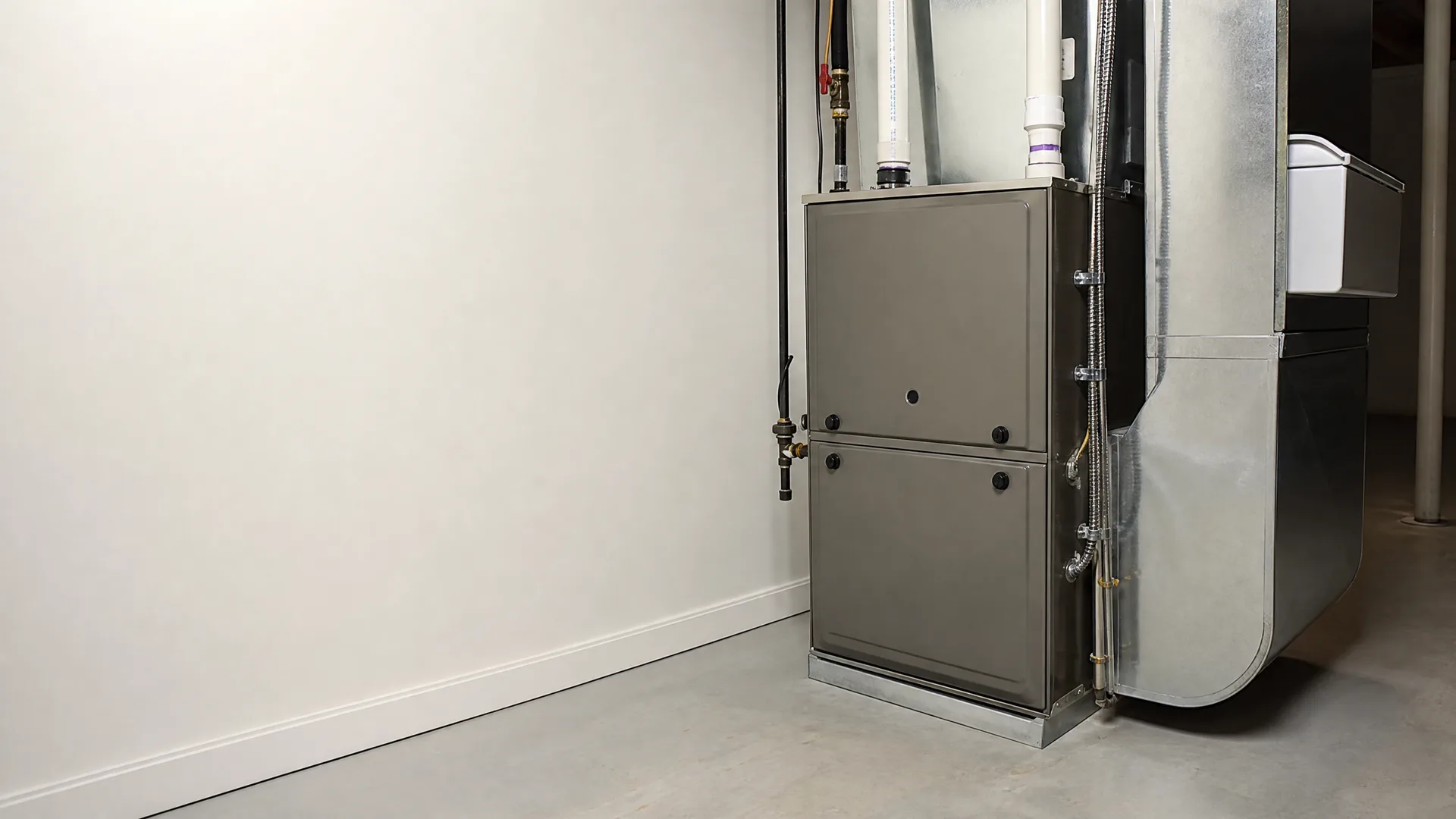

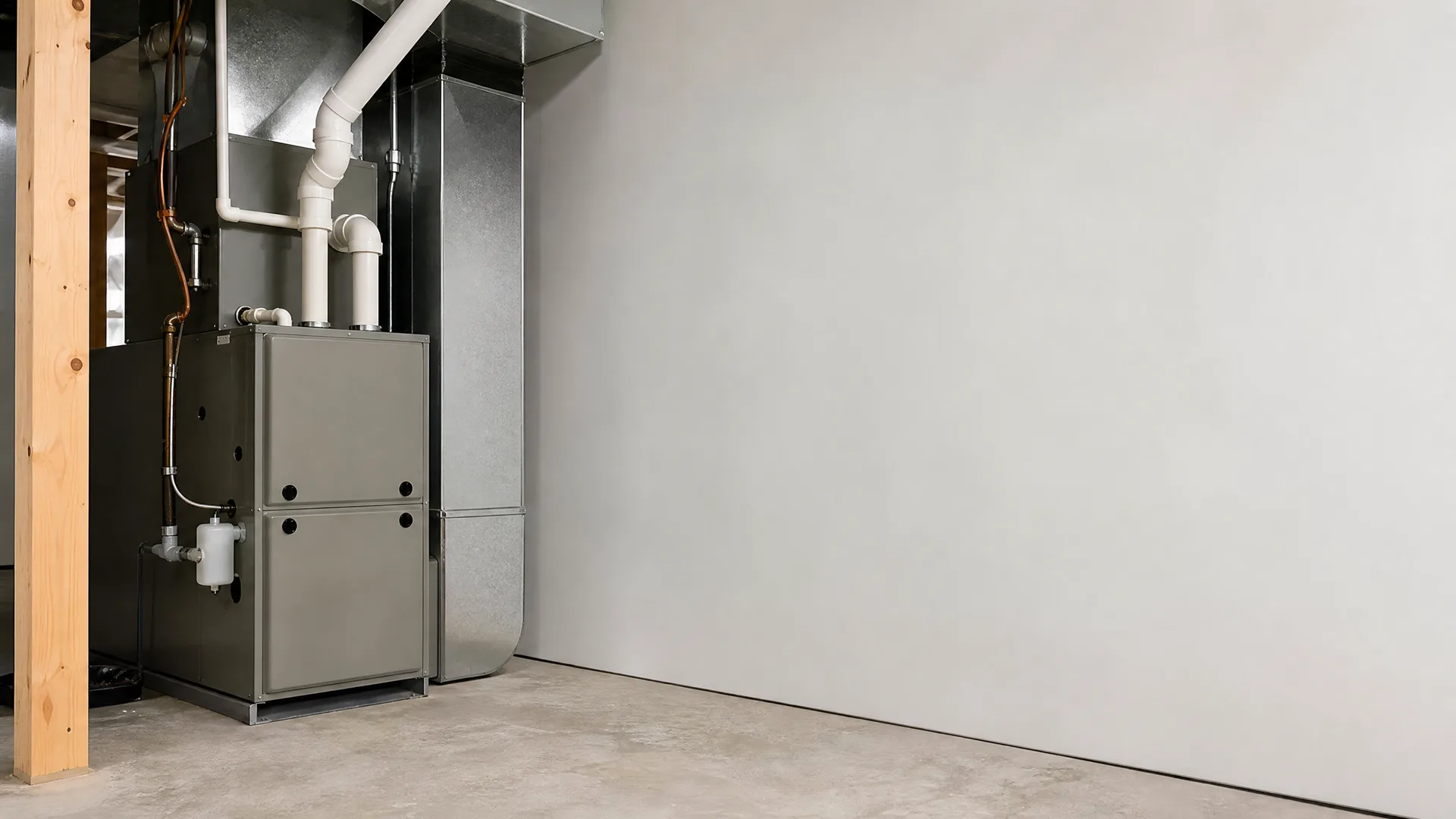
A gas furnace with two gray access panels stands on a concrete pad in a basement, with white PVC vent pipes above, sheet-metal ductwork to the right, and gas and water piping along the wall at left.

Get your furnace to the right pro

Heat pump vs gas heat in Bozeman, MT

Winters in Gallatin County are hard on a heating system, and gas is what most houses around Bozeman already have. The question is whether a heat pump makes sense anyway, given cheap power here and how cold it gets. That depends on your house and what's already run to it. Below, what to weigh before you decide, and a way to skip calling around to find out.

Request a pro

Gas heat wins most winters in Bozeman, and that comes down to the cold. Below around freezing, a standard heat pump has to work harder to pull warmth out of the outside air, and once temperatures drop into the teens and below, which happens plenty from December through February, it struggles to keep up on its own. Gas doesn't care how cold it gets outside. It burns fuel and makes heat, so your furnace keeps the house warm through the hardest part of the winter without losing capacity. A cold climate heat pump narrows that gap and can still handle a lot of the heating load, but most installers pair one with a gas furnace for backup rather than replacing it outright. If your furnace is old enough to need replacing anyway, that's the question worth asking a contractor: keep it gas, or add a heat pump alongside it for the shoulder seasons and let the furnace carry January.

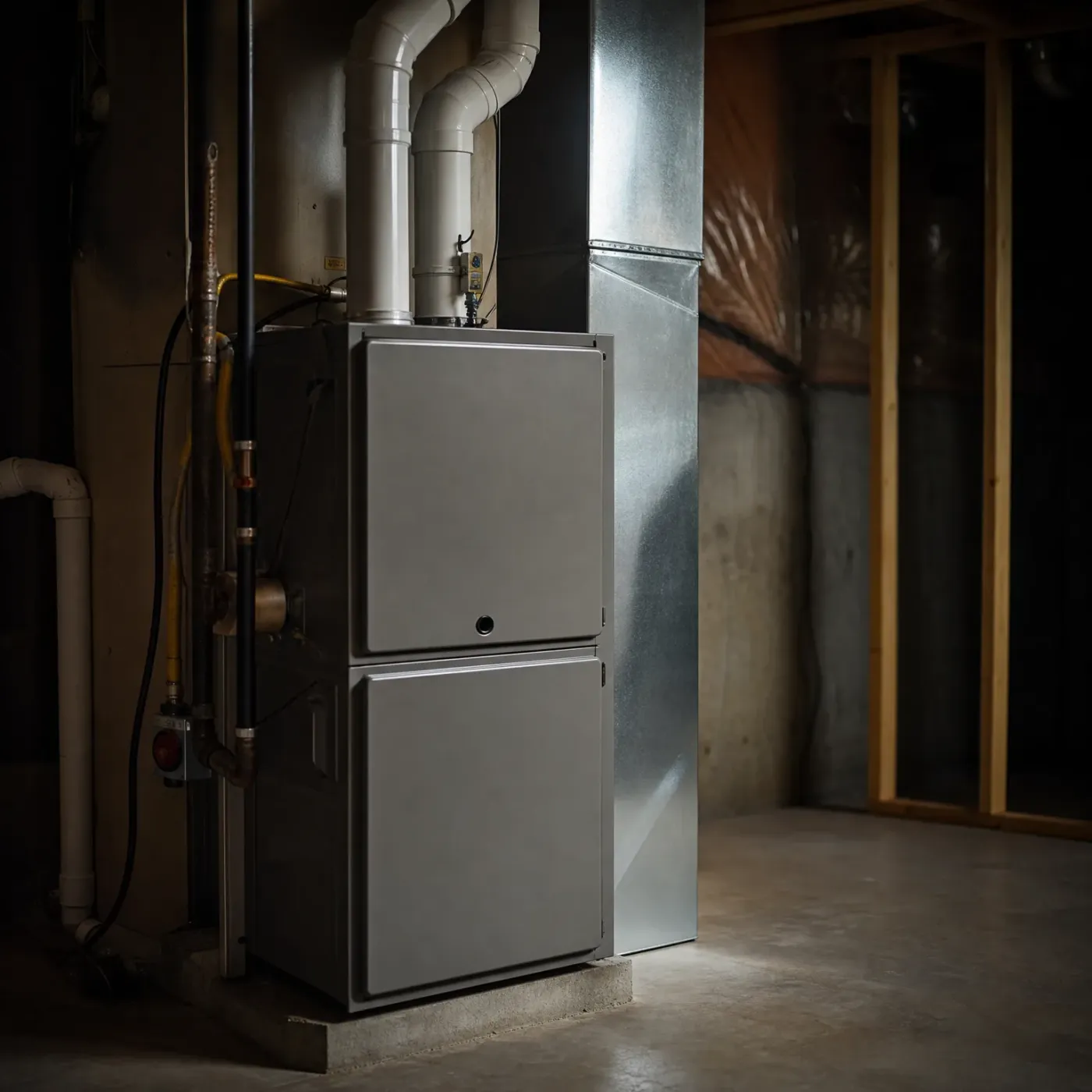
A gray high-efficiency furnace stands on a concrete basement floor beside sheet-metal ductwork, with white PVC vent pipes and a black flexible line running up to exposed wood floor joists, next to a wood-framed post against a concrete wall.

Your gas furnace, running as it should

This is what a furnace looks like doing its job: steady heat through a hard Gallatin County winter, no strain on the system. If yours runs like this, gas is still doing right by your house, and a heat pump would be solving a problem you don't have.

A beige metal furnace with a louvered front panel stands on a concrete floor against a concrete wall, connected to galvanized sheet-metal ductwork and a metal pipe.

Your gas furnace, past its best years

An older furnace like this one works harder for the same heat, and it's worth asking what it's costing you in gas. This is the point where some homeowners weigh a heat pump against another gas furnace, since replacing it either way is coming.

Heat Pump or Gas Furnace

Cold-climate heat pump

  • A cold-climate heat pump keeps pulling heat out of outdoor air well below freezing, down into the single digits or lower depending on the model.
  • It runs on electricity, and power here is cheap, so the cost per hour of heat is worth weighing against what you pay for gas.
  • It cools your house in summer too, so you're not running a separate AC when a Bozeman afternoon gets hot and dry.
  • Most installs here pair it with your existing furnace as backup for the coldest stretches of the winter, rather than replacing the furnace outright.
  • It needs a compatible electrical circuit and outdoor space for the unit, which an installer checks against your house before anything is sized.

Your gas furnace

  • A gas furnace doesn't lose capacity as it gets colder outside, so a January night in the teens or below gets the same output as a mild one.
  • Gas is what most homes around Bozeman already run on, so the gas line and venting are likely already in place.
  • It does nothing for summer cooling, so a hot, dry stretch still means a separate AC or none at all.
  • Replacing it means matching the new furnace to your home's existing ductwork and venting, which an installer sizes to your house.
  • Running cost depends on gas prices rather than the electric rates that make a heat pump's hourly cost low here.
A gray high-efficiency furnace with white PVC venting pipes and sheet-metal ductwork stands against a basement wall beside a wooden post, with a bare concrete floor and plain gray wall to the right.

How a furnace makes heat

A gas furnace burns fuel at the burner and pushes the hot air through your ducts with a blower. It doesn't care what the temperature is outside. Ten degrees or forty, it lights, heats the air to the same output, and runs until the thermostat is satisfied. That's why gas holds up through a Gallatin County January without losing ground.

A gray high-efficiency furnace with white PVC vent pipes and flexible metal lines stands against a plain light wall in a basement, connected to galvanized sheet-metal ductwork on a concrete floor.

How a heat pump makes heat

A heat pump doesn't burn anything. It moves heat that's already in the outside air into your house, using a compressor and refrigerant, the same way an air conditioner works in reverse. The colder the air outside, the less heat there is to move, so the unit has to run longer and work harder to hit the same indoor temperature. A cold-climate model is built to keep doing that down into very low temperatures, but the physics behind it doesn't change.

Is your furnace struggling to keep the house warm?

You might notice the furnace running longer than it used to, or kicking on and off more through the night. Rooms farthest from the furnace stay cooler than the rest of the house. The burner flame should look blue with maybe a touch of yellow at the tip; if it's yellow or flickering, that's worth having looked at. A furnace working harder than it should also means higher gas bills through December, January and February. If it's short-cycling or not keeping up on the coldest nights, the risk isn't just comfort. A furnace that can't keep pace in a hard Gallatin County winter can let pipes get cold enough to freeze.

  1. The thermostat calls for heat and signals the furnace control board.

  2. The inducer motor starts and pulls air through the heat exchanger.

  3. The igniter glows or sparks to light the burners.

  4. Burners fire and heat the metal heat exchanger inside.

A gray high-efficiency furnace in a basement with PVC vent pipes, sheet-metal ductwork, copper and insulated pipes, a water heater at left, and an unfinished wood-stud wall at right.
A high-efficiency furnace like this is built to keep up with a Gallatin County winter without strain, year after year.
An older beige furnace with louvered front panels stands on a concrete basement floor beside galvanized ductwork, metal and plastic pipes, exposed wood framing, and a cylindrical water heater at right.
An older furnace like this, with galvanized ductwork and an aging flue, is the one worth having looked at before the cold sets in.
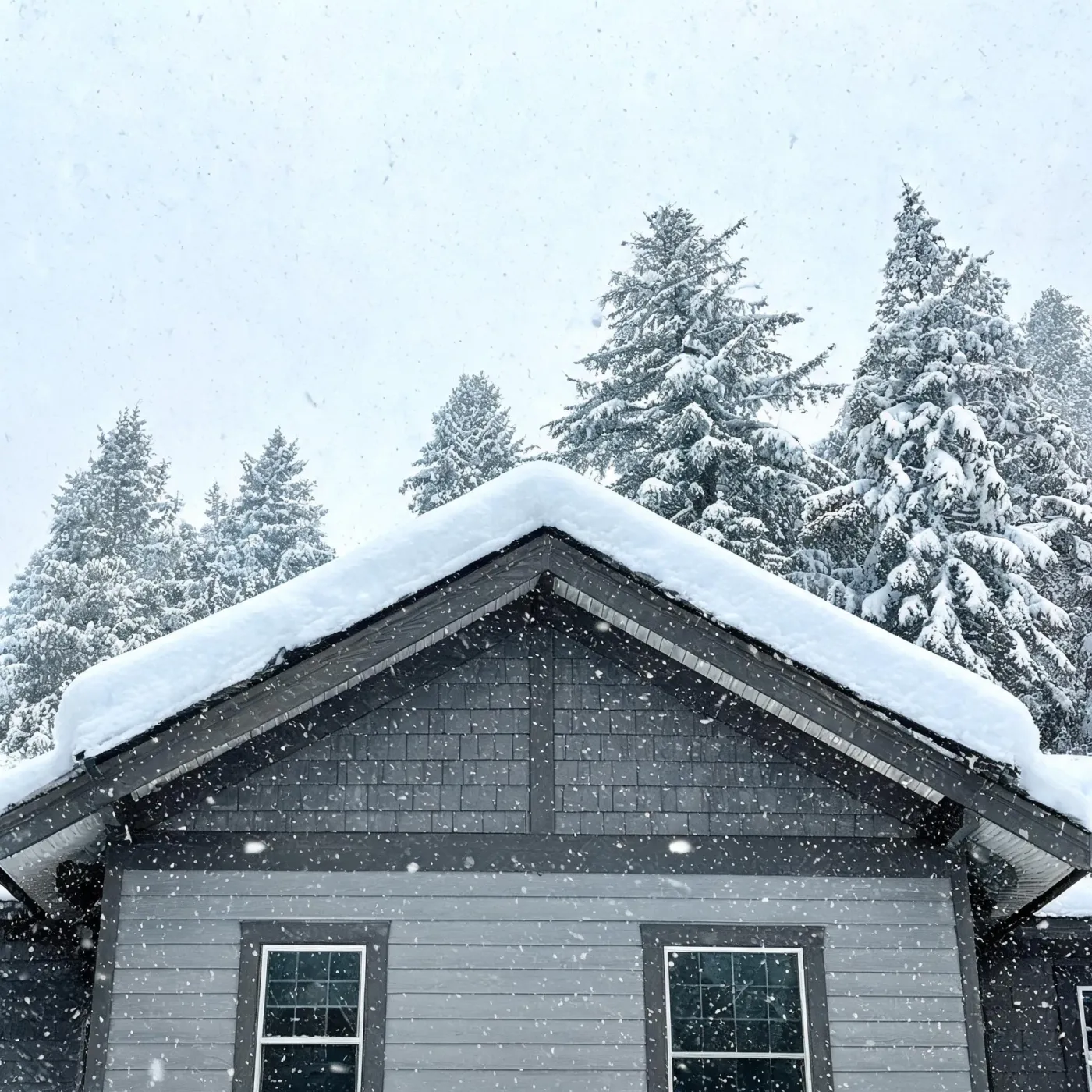
The gable end of a gray-sided house with a thick layer of snow on its roof, with snow-covered conifers behind and snowflakes falling.

Winter nights here average 13°F, December through February, according to NOAA climate data for Gallatin County. That's the stretch where your furnace earns its keep. At 13 degrees a gas furnace lights, heats the air to the same temperature it always does, and keeps the house even through the night. A heat pump at that temperature is pulling warmth out of air that's barely above zero, and most models start losing ground well before it gets this cold. If you're trying to figure out what that means for your house and what's already installed, a contractor who works on heating systems around Bozeman can walk through it with you, so you're not the one calling around and explaining your situation to five different companies.

NOAA nClimDiv 1991-2020

Find a furnace installation pro in Gallatin County

If your furnace is older or starting to show the signs already covered here, longer cycles, cooler rooms at the far end of the house, the decision isn't really heat pump versus gas in the abstract. It's whether to replace what you have with the same thing or look at something else while the ductwork and gas line are already being worked on. That's a real question in Gallatin County, where winter nights average 13°F and a standard heat pump would be leaning hard on backup heat for months at a time. A cold-climate model changes that math, but whether it changes it enough for your house depends on your ductwork, your electrical panel, and what you're paying for gas and power right now. Working that out means getting someone out to look at the actual house, not just the climate numbers. Finding that person, explaining the furnace's age and symptoms, getting a quote, then doing it again with the next contractor to compare, is most of the work. Starting here skips straight to the part where someone looks at your house.

How a dual fuel system works

  • A dual fuel setup pairs a heat pump with your existing gas furnace instead of replacing one for the other.
  • The heat pump handles the mild months, and the furnace takes over once outdoor temperatures drop too low for the heat pump to keep up.
  • A thermostat or outdoor sensor decides the switch point, usually somewhere in the 30s to low 40s, and swaps heat sources automatically.
  • Your ductwork and furnace stay in place, so the heat pump ties into the same system rather than needing a separate one.
  • This setup can lower your electric bill through fall and spring while keeping gas as the backup for January's cold.
  • The furnace still needs to be in decent shape, since it's doing the heavy lifting once the real cold sets in.

A dual fuel setup is not really a choice between heat pump and gas. It uses both, and the switch between them happens on its own. The heat pump runs through the fall and spring, when outdoor temperatures sit in the range it handles well, and your electric bill carries that part of the year instead of your gas line. Once temperatures outside drop past the point where the heat pump starts losing ground, usually somewhere in the 30s to low 40s, a sensor tells the system to shut the heat pump off and fire up the furnace instead. You don't do anything. No thermostat to reset, no switch to flip. The system is built to make that call for you.

Your ductwork stays exactly as it is. The furnace stays where it is. What gets added is the heat pump's outdoor unit and the controls that let it talk to your furnace, so the two share the same ducts instead of running as separate systems. That matters here because it means the furnace isn't going anywhere. It's still the part doing the real work once a Gallatin County cold snap sets in and temperatures drop into the teens or lower, the range where gas does the job better and the heat pump would just be straining.

That also means the furnace's condition matters as much as it ever did. A furnace that's already struggling, running long cycles or leaving rooms cold, is going to struggle the same way in a dual fuel setup once it's carrying the cold months on its own.

Winter nights average 13°F

At 13 degrees, a standard heat pump is pulling heat out of air that's barely above zero outside. Your furnace doesn't notice the difference between 13 and 30. That gap is why most houses around Bozeman still lean on gas for the coldest stretch of the night.

NOAA nClimDiv 1991-2020

A man in a dark jacket and khaki pants walks through an open gate in a stone wall toward a woman standing in the open front doorway of a single-story white house with a dark shingled roof and river-rock accents.

Gas still makes sense for most houses around Bozeman

Gas heat carries the coldest nights here without strain, and that's the stretch that matters most in Gallatin County. A cold-climate heat pump can work alongside it in a dual fuel setup, or on its own in a milder house, but for most furnaces still doing their job, there's no case to replace what's working.

What's harder to work out from here is where your own house falls. That depends on the furnace you have now, your ductwork, and what shape things are in after however many winters it's already handled. A contractor who knows Gallatin County houses can look at your furnace and your ducts and tell you straight whether gas alone, a heat pump, or both together is the right call, instead of you weighing it on your own against every house that isn't yours.

A living room with a cream sofa and knit throw beside a window, with a wooden coffee table in the foreground holding a round woven tray, a small bowl, and a speckled vase of green leafy branches.
A woman wrapped in a thick cream knit blanket sits in an armchair beside a lit table lamp, with an open book in the foreground and a frost-covered window behind her.
A smiling older woman with gray hair in a loose bun wearing a ribbed beige sweater stands in a dimly lit kitchen beside a window showing darkness outside, with a loaf of crusty bread on a wooden board in the foreground.

Furnace Installation

The right pro for this job

Fill out one short form instead of calling around.

A black-framed smartphone standing upright against a plain light gray background, its screen filled with solid green.
New system or replacementFurnace or heatingGallatin County, MT
Step 1 of 2

What ZIP code is the job in?