

What winter here does to a heat pump
Winters here are long and genuinely cold, and that's the whole question for a heat pump. The heat runs ten months a year, September through June. The overnight low averages 13°F across December, January and February, and about 180 nights a year dip to freezing or below. Sixteen of those nights hit 0°F or colder.
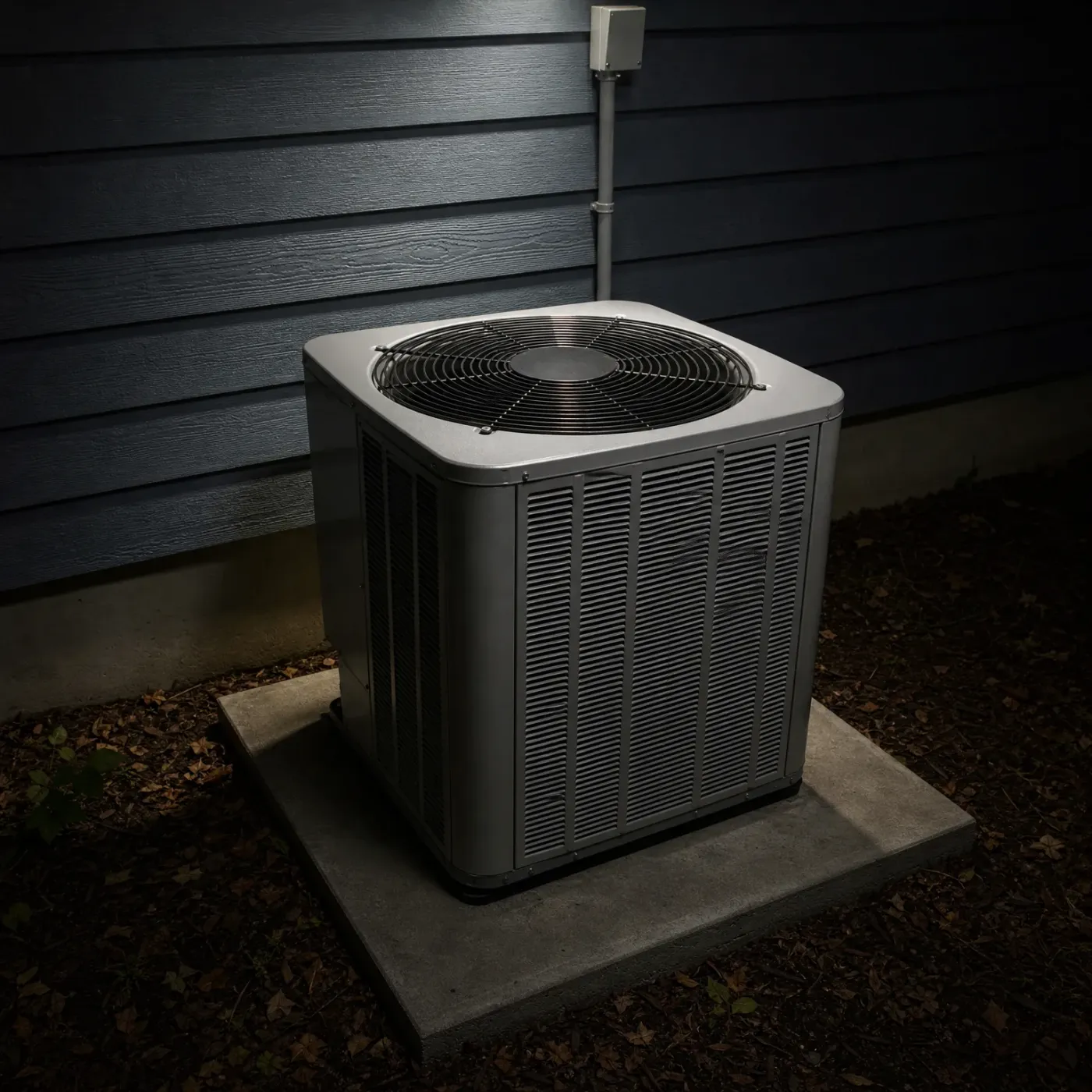
A standard heat pump starts losing ground before it gets anywhere near that cold. Below 40°F it already puts out less heat than its rating says. Below about 35°F it often leans on a backup heat source to keep up. Gallatin County's average winter low of 13°F is under both marks, and every single one of those 180 freezing nights is too. That's not a few rough nights a year. That's most of the heating season asking a standard heat pump to do more than it's built to do at that temperature.
The cold-climate models close most of that gap. To earn the ENERGY STAR Cold Climate label, a heat pump has to keep making heat efficiently at 5°F and hold onto at least 70 percent of its 47°F capacity once it's that cold. In field tests of prototype cold-climate heat pumps running through two winters in occupied homes, backup heat covered only a small share of the load between 0°F and 35°F, and the units rarely had to fall back on backup heat alone even above 0°F. If a heat pump is the direction you're leaning, the cold-climate rating is what makes that workable here, not the standard equipment.