
Why the cold here decides this
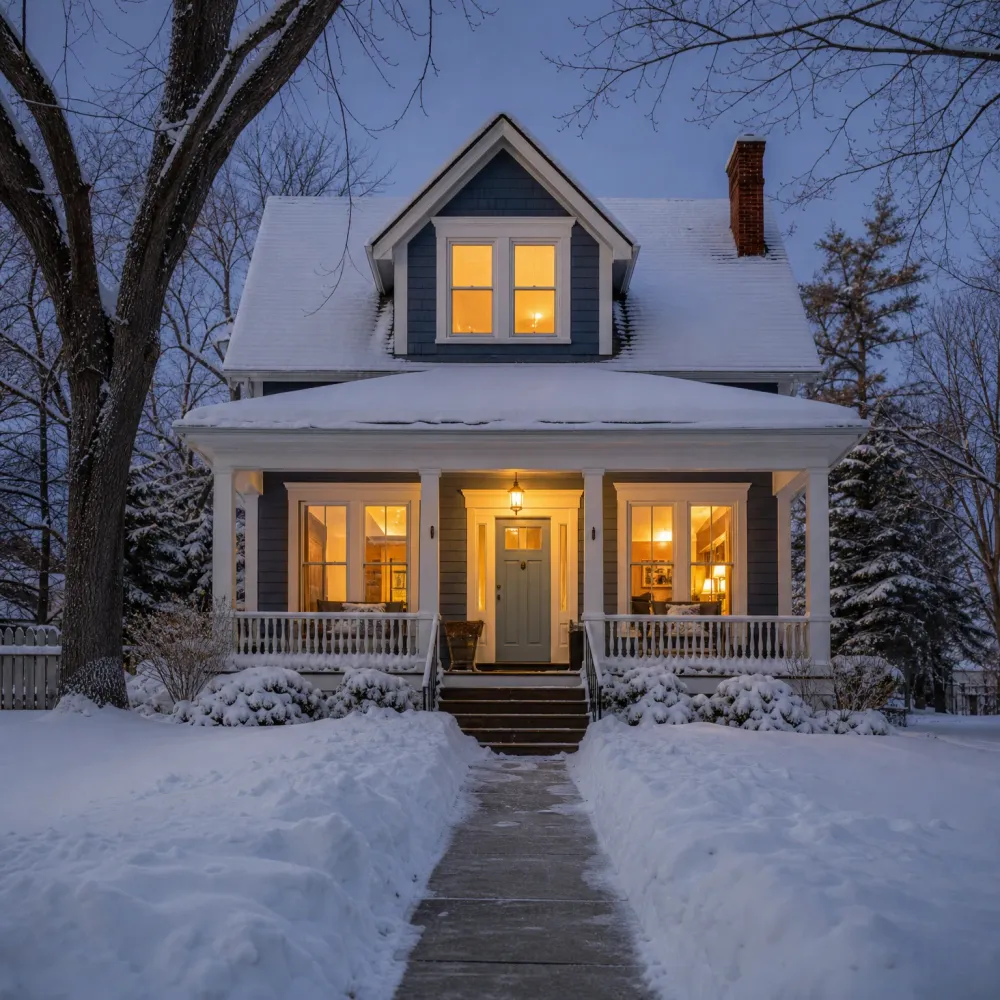
Winters here settle the question before cost does. The overnight low averages 5°F across December, January and February, and that number sits below the two marks that matter for a heat pump. Below 40°F a standard heat pump puts out less heat than its rating. Below about 35°F it often needs backup heat just to keep up. At 5°F average, you're well past both marks, not close to them.
This isn't a handful of cold snaps. The heat runs about nine months a year here, September through May, and about 190 nights a year drop to freezing or below, over half the nights in that stretch. Every one of those 190 nights is already colder than the point where a standard heat pump starts falling behind. About 40 nights a year reach 0°F or colder, under a quarter of the freezing nights, and that's the range where a standard heat pump is putting out only a fraction of what it's rated for.
A heat pump built to carry the ENERGY STAR Cold Climate label is a different machine. To earn that label it has to keep making 1.75 units of heat for every unit of electricity at 5°F, and hold on to at least 70 percent of its warm-weather capacity at that temperature. That's built for a night exactly like your average winter low. A standard heat pump without that rating is not. If you're looking at a heat pump for this county, the cold climate rating is the line to check for, not a feature to skip to save money.
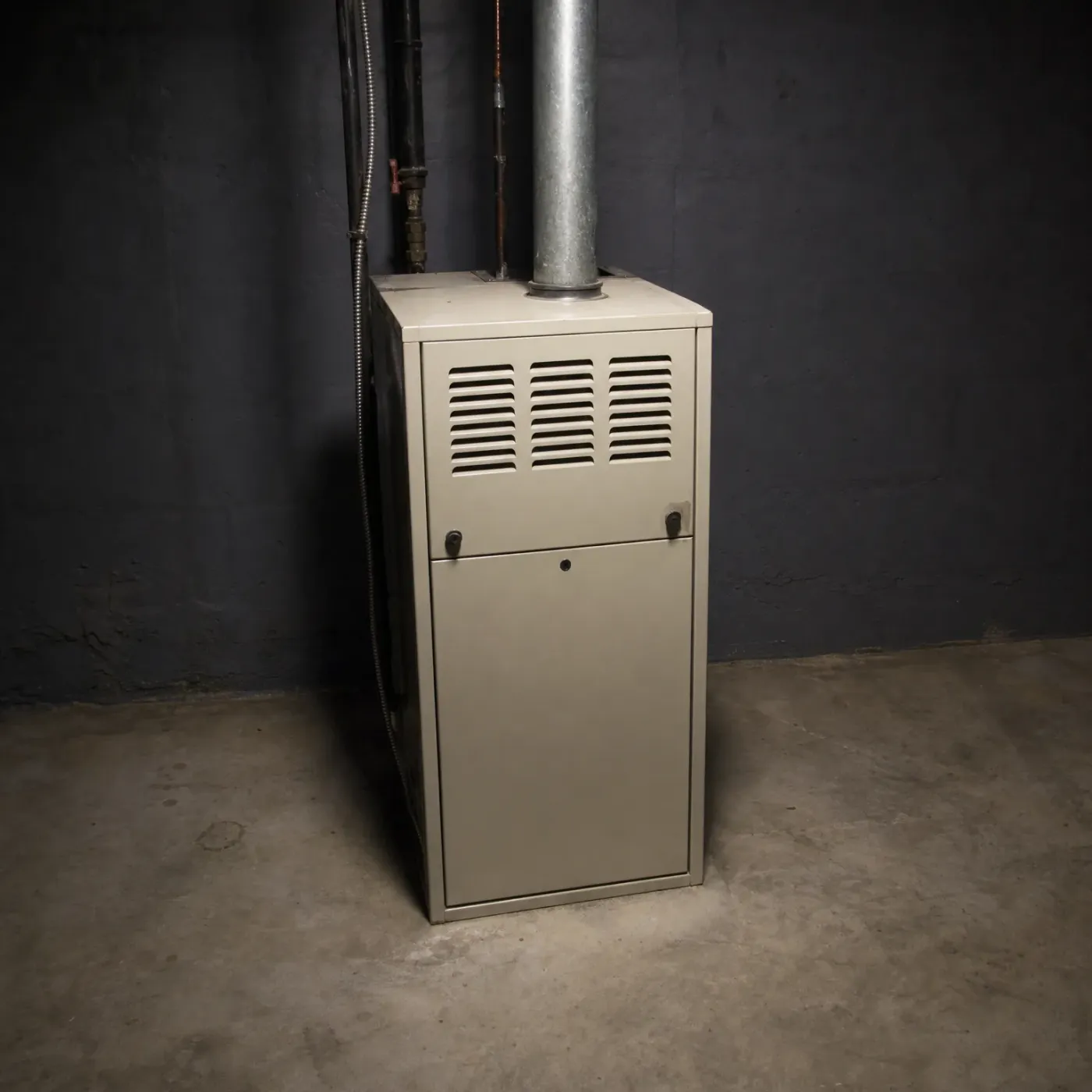
A furnace doesn't have this problem. It burns gas to make heat, so outdoor temperature doesn't touch its output. On the coldest night of the year it heats the same as it does in September.