



What winter here does to a heat pump
Your winter low here averages 6°F, and that's the number that decides this. A standard heat pump starts falling short of its rated heat below 40°F, and below about 35°F it usually needs backup heat to keep up. At 6°F you're well past both marks. Every one of the roughly 180 nights a year that drop to freezing or below is past both marks too.
That doesn't mean the heat pump quits. It means it's leaning on backup heat, usually electric resistance, to make up the difference, and that backup heat is what makes a heat pump expensive to run on the coldest nights. The running cost on this page, $1.69 per 100,000 Btu against $0.97 for gas, doesn't even include that backup heat. It's the heat pump's best-case number. Your real cost in January runs higher than the comparison shows.
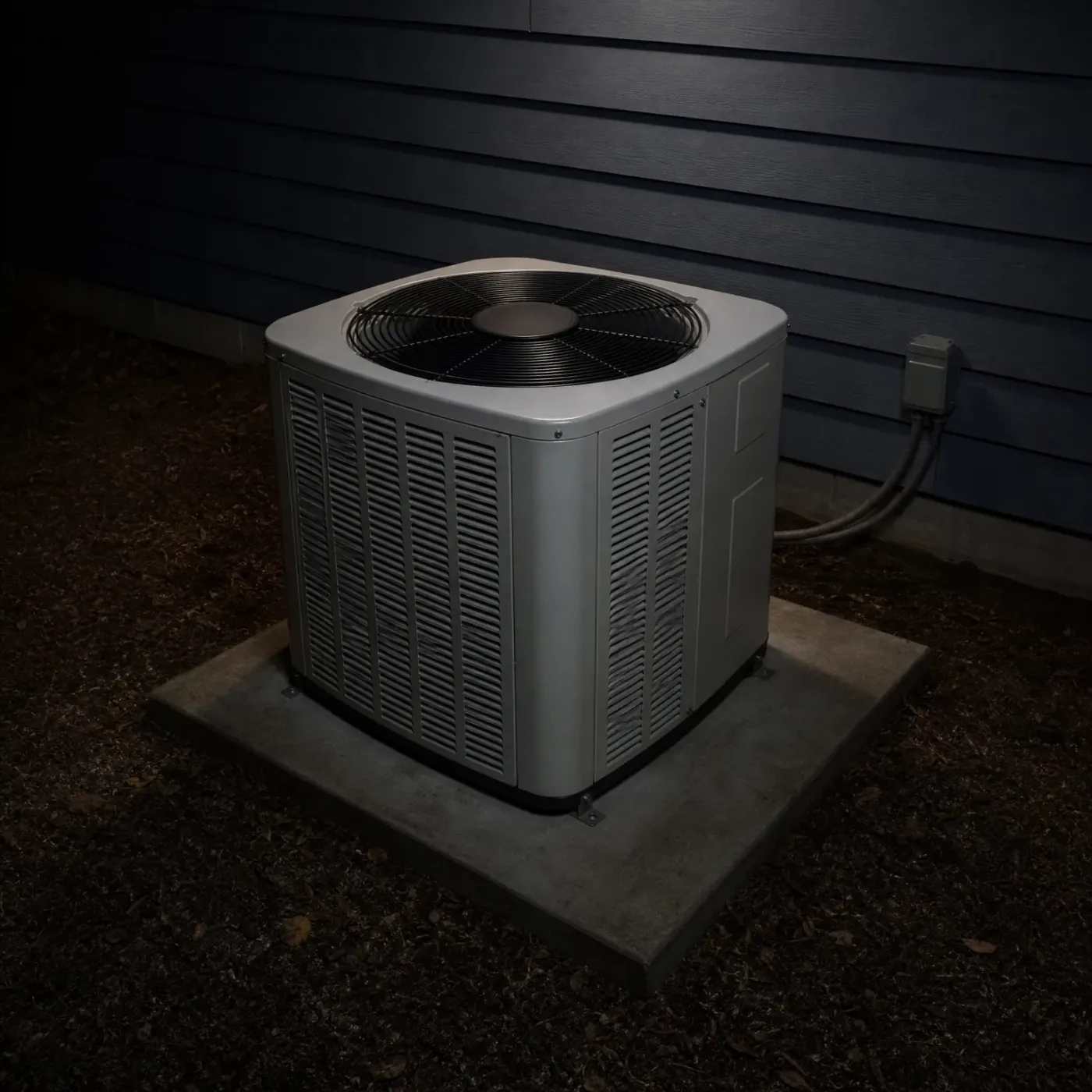
There is a version built for this. An ENERGY STAR Cold Climate heat pump has to prove, in third-party testing, that it still makes at least 1.75 units of heat per unit of electricity at 5°F and holds onto 70 percent of its 47°F capacity at that temperature. A field test of prototype cold-climate units over two winters backed this up: backup heat covered only a small share of the heat needed between 0°F and 35°F, and the units rarely ran on backup alone even above 0°F. That's the heat pump that belongs in a county with 30 nights a year at 0°F or below, not the standard model.