



Cold climate, long heating season
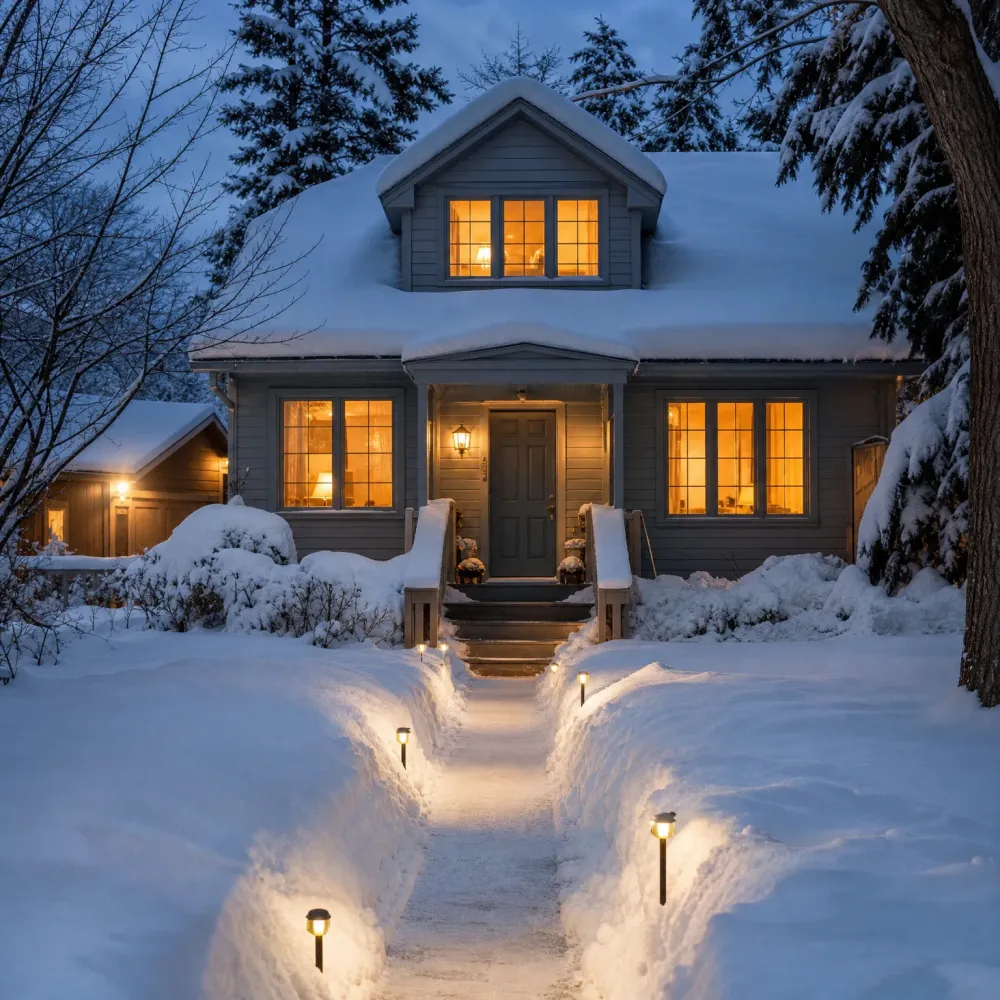
Winters here are the whole question. Heat runs ten months a year in Fergus County, September through June, and the overnight low in December, January and February averages 14°F. That alone tells you what a heat pump is up against. A standard heat pump loses heating capacity once it drops below 40°F outside, and below about 35°F it often needs backup heat to keep up. Fergus County's average winter night is already past both marks, and so is every one of the roughly 180 nights a year that fall at or below freezing.
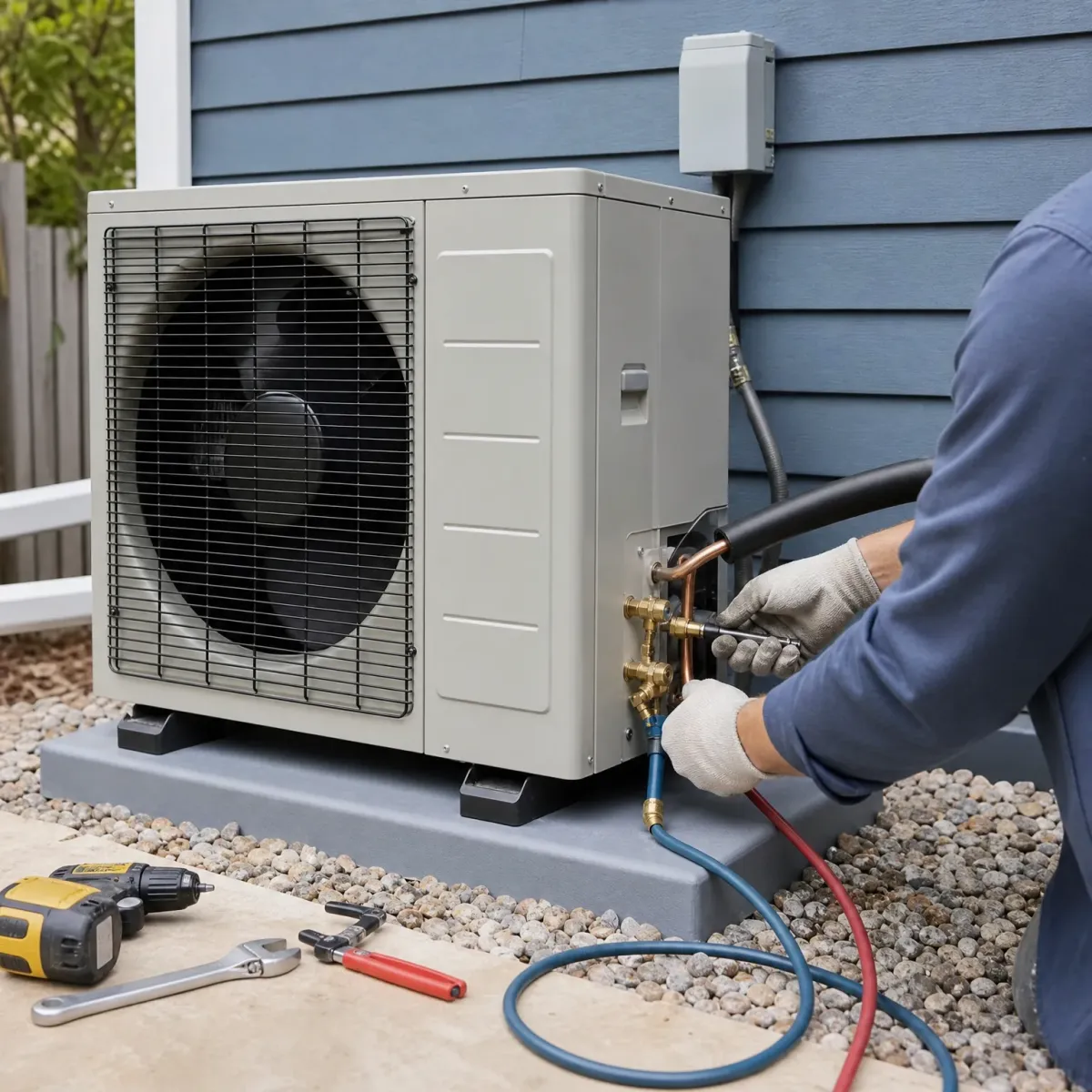
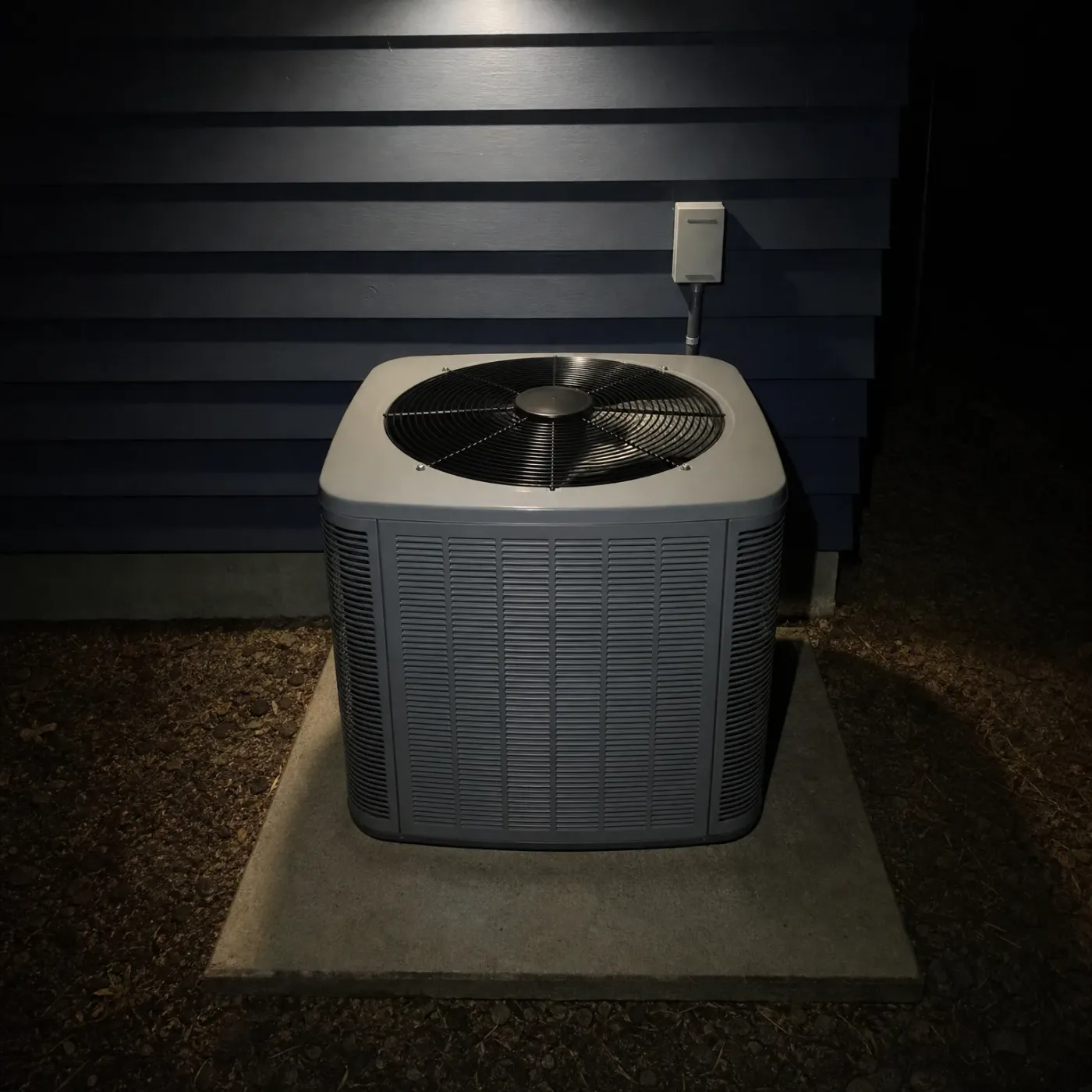
That doesn't mean a heat pump quits. It means it needs help on most winter nights, not just the worst ones. About 20 nights a year here reach 0°F or below, under a quarter of the nights at or below freezing. On those nights a standard heat pump is putting out a fraction of its rated heat, and backup heat is doing real work. A cold climate heat pump, the kind certified to hold 70 percent of its capacity at 5°F, handles those nights far better than a standard model, and field tests of prototype cold climate units found backup heat carried only a small share of the load between 0°F and 35°F, with the unit running on backup alone rarely happening even at 0°F. If a heat pump is on the table here, that certification is what makes the difference, not the nameplate rating.