



What the cold here does to a heat pump
The heat runs nine months a year here, September through May. The overnight low averages 8°F across December, January and February. About 170 nights a year drop to freezing or below, and about 30 of those reach 0°F or colder.
A standard heat pump starts falling behind well before it gets anywhere near 8°F. Below 40°F it puts out less heat than its rating says. Below about 35°F it often needs backup heat to keep up. Every one of those 170 freezing nights here falls under both marks, and the average winter night is colder still. For most of the heating season, a standard heat pump in this county is not running at full strength on its own.
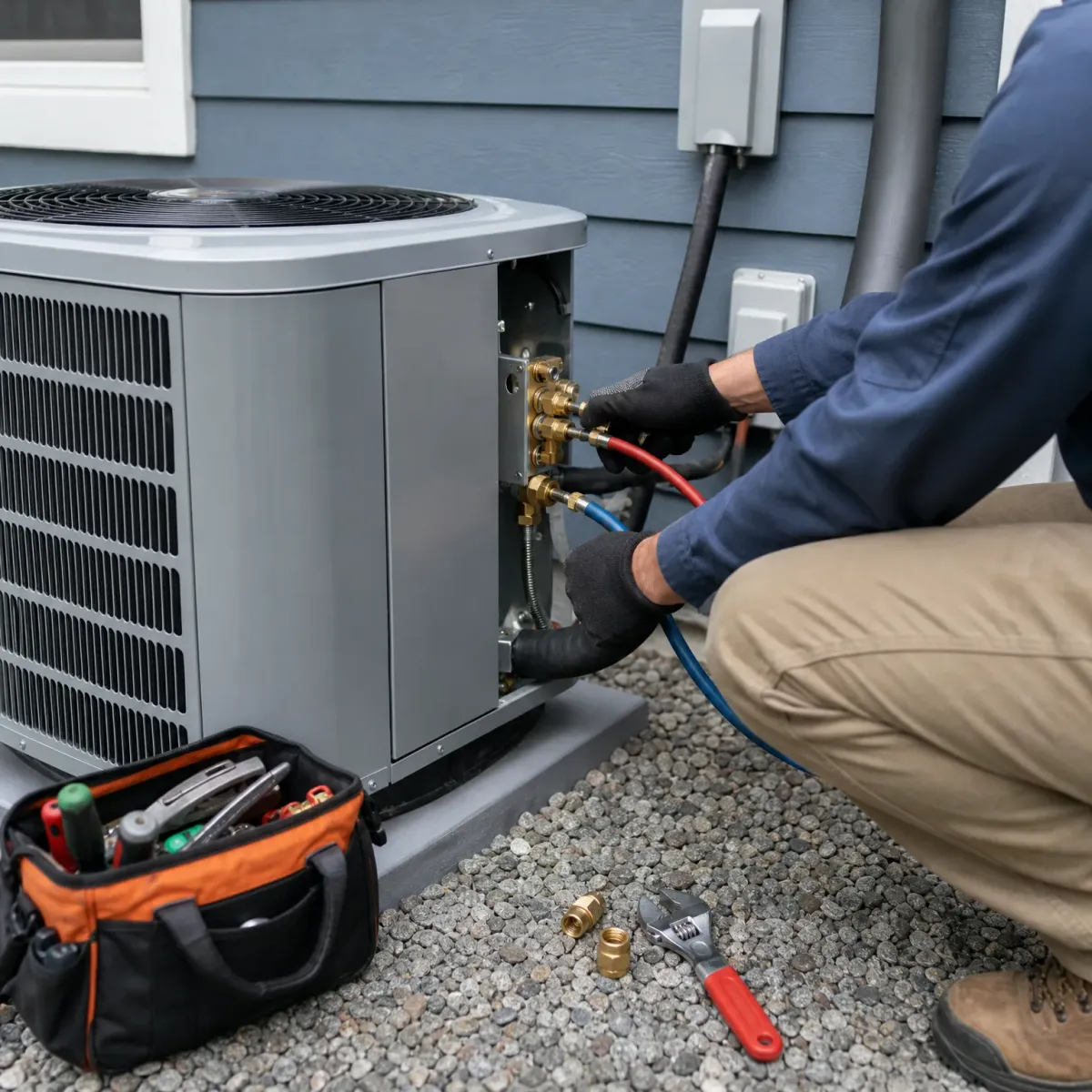
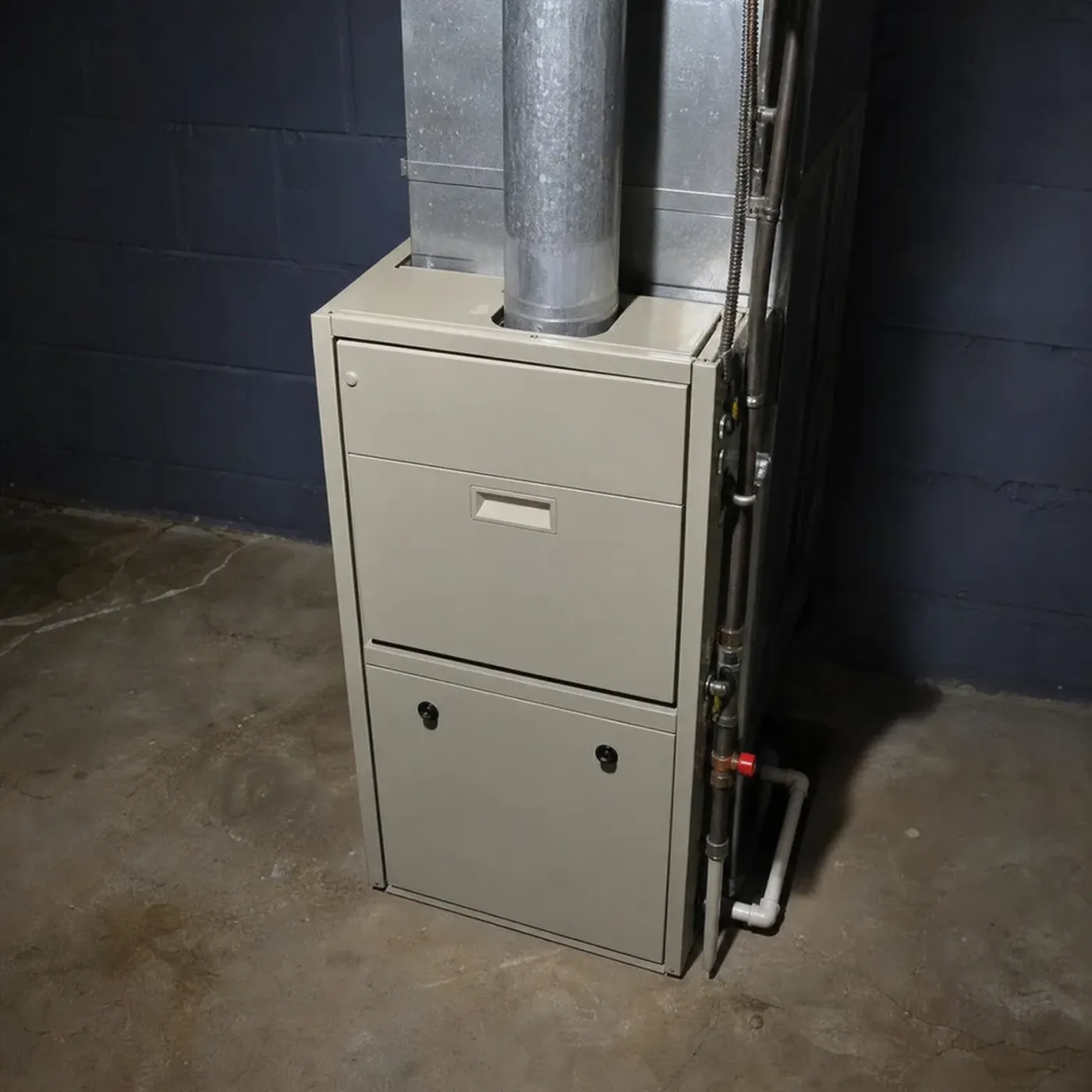
A cold climate heat pump is built for this. To carry the ENERGY STAR Cold Climate mark, a heat pump has to still make at least 1.75 units of heat per unit of electricity at 5°F, and hold onto at least 70 percent of its 47°F capacity at that same temperature, checked by outside testing. A two-winter field test of prototype cold climate units found backup heat covered only a small share of the load between 0°F and 35°F, and the units rarely ran on backup alone even above 0°F. A furnace does not have this problem at all. It makes its full rated heat whether it is 30°F out or minus 10, because burning gas does not weaken in the cold.