



What the cold here does to a heat pump
Winter decides this one. The heat runs eleven months a year here, August through June, and the overnight low averages 14°F across December, January and February. That is below both of the marks that matter for a heat pump. Below 40°F, a standard heat pump puts out less than its rated heating capacity. Below about 35°F, it often needs backup heat to cover the gap. An average winter night here is below both marks, not just brushing against them.
Look at how many nights land there. About 220 nights a year fall to 32°F or below, over half the nights in the eleven months your heat runs. About 30 of those nights drop to 0°F or below, under a quarter of the cold nights but still real. A heat pump here is not dealing with the occasional cold snap. It is working below its rated output most nights it runs at all.
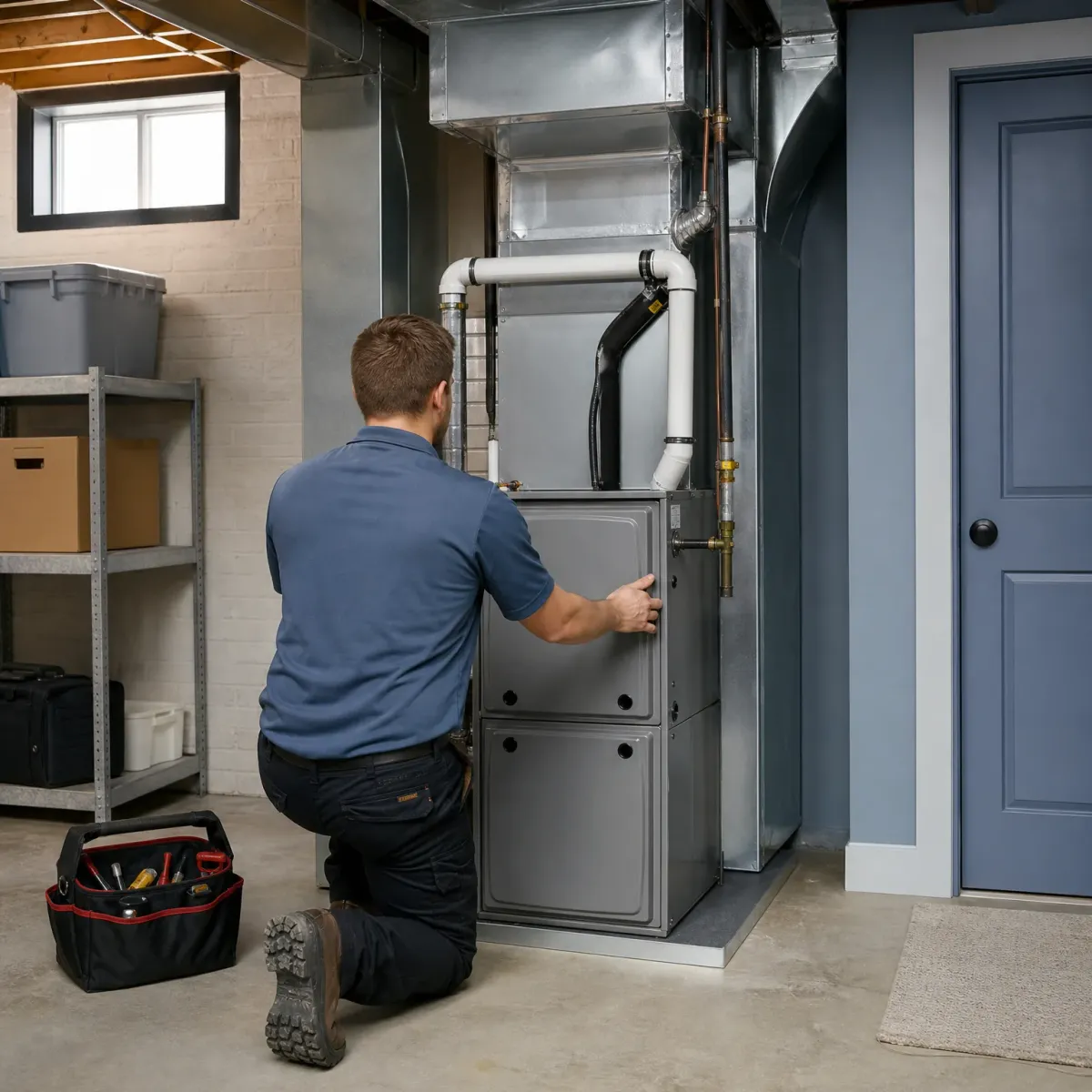
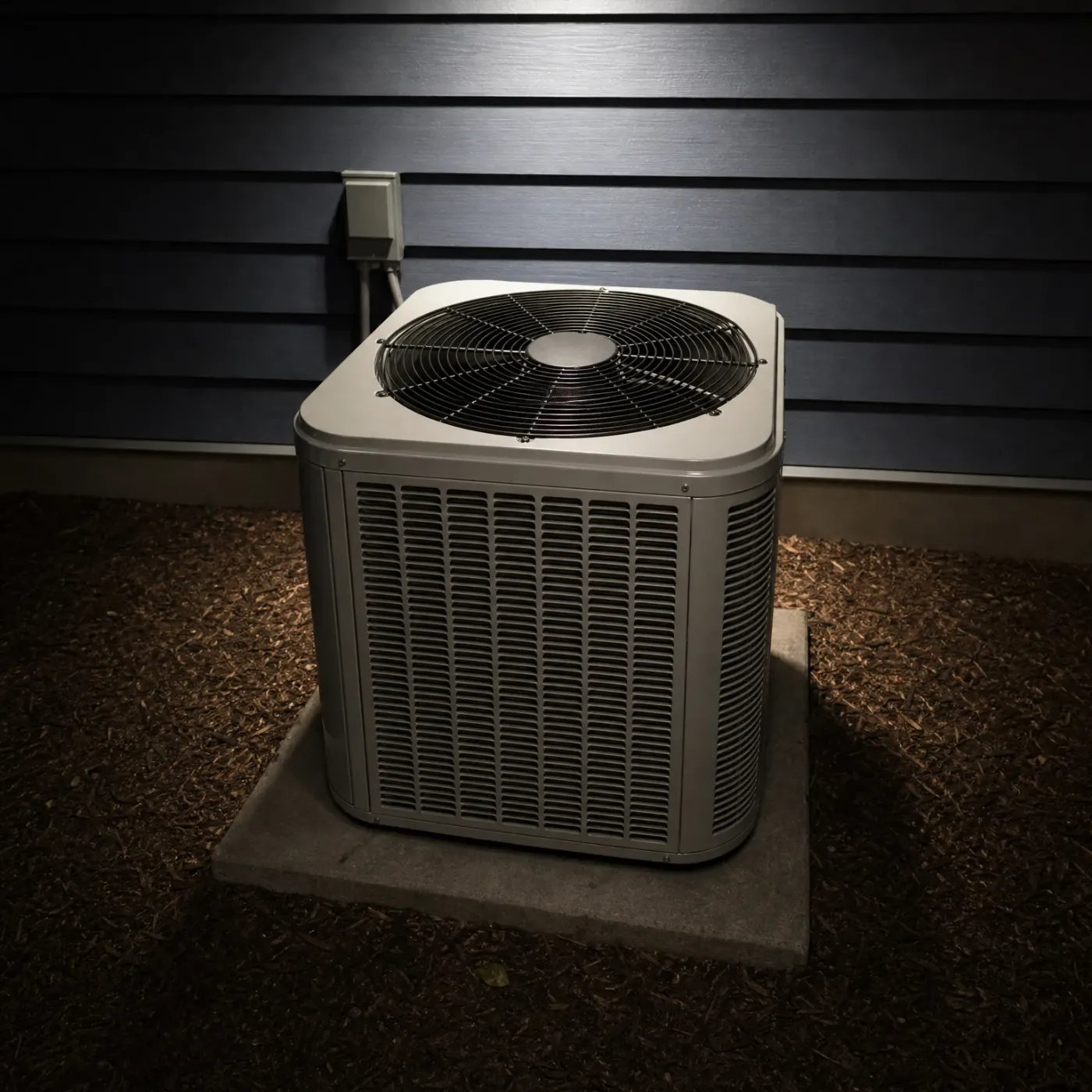
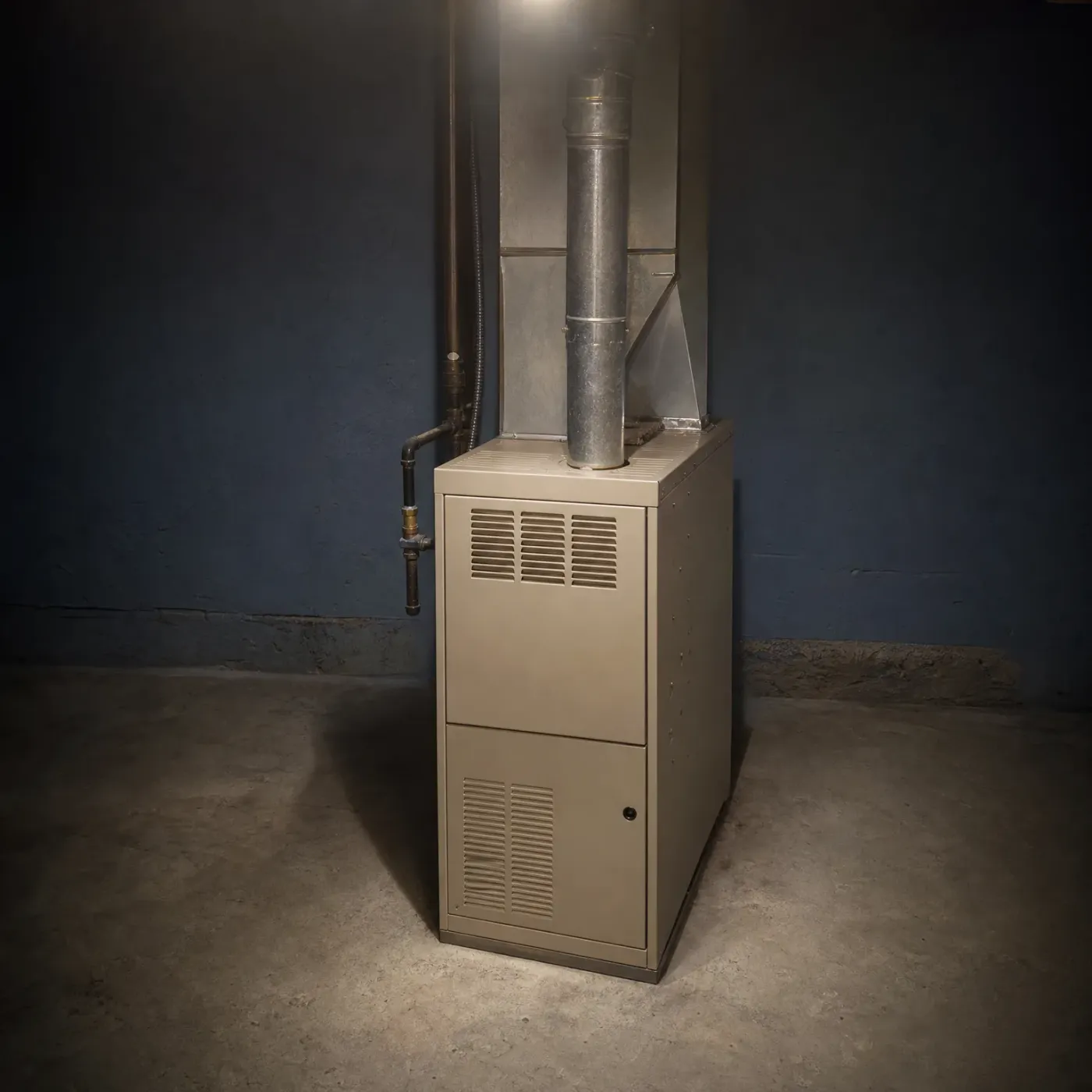
A unit built to the federal minimum is not built for that. What changes the picture is the ENERGY STAR Cold Climate mark, which requires a heat pump to still make 1.75 units of heat for every unit of electricity at 5°F and to hold at least 70 percent of its 47°F capacity at that same temperature, checked by outside testing. Field testing on prototype cold-climate units backs this up: across two winters in occupied homes, backup heat covered only a small share of what was needed between 0°F and 35°F, and running on backup alone was rare even above 0°F. A furnace does not carry this question at all. It makes the same heat at 30°F as it does at minus 10, so the cold outside is not something you plan around the way you do with a heat pump.