

What the cold here does to a heat pump
Heat runs nine months a year in Custer County, September through May. The overnight low averages 11°F across December, January and February. Out of roughly 275 nights in that stretch, about 170 drop to freezing or below, and about 25 of those reach 0°F or colder.
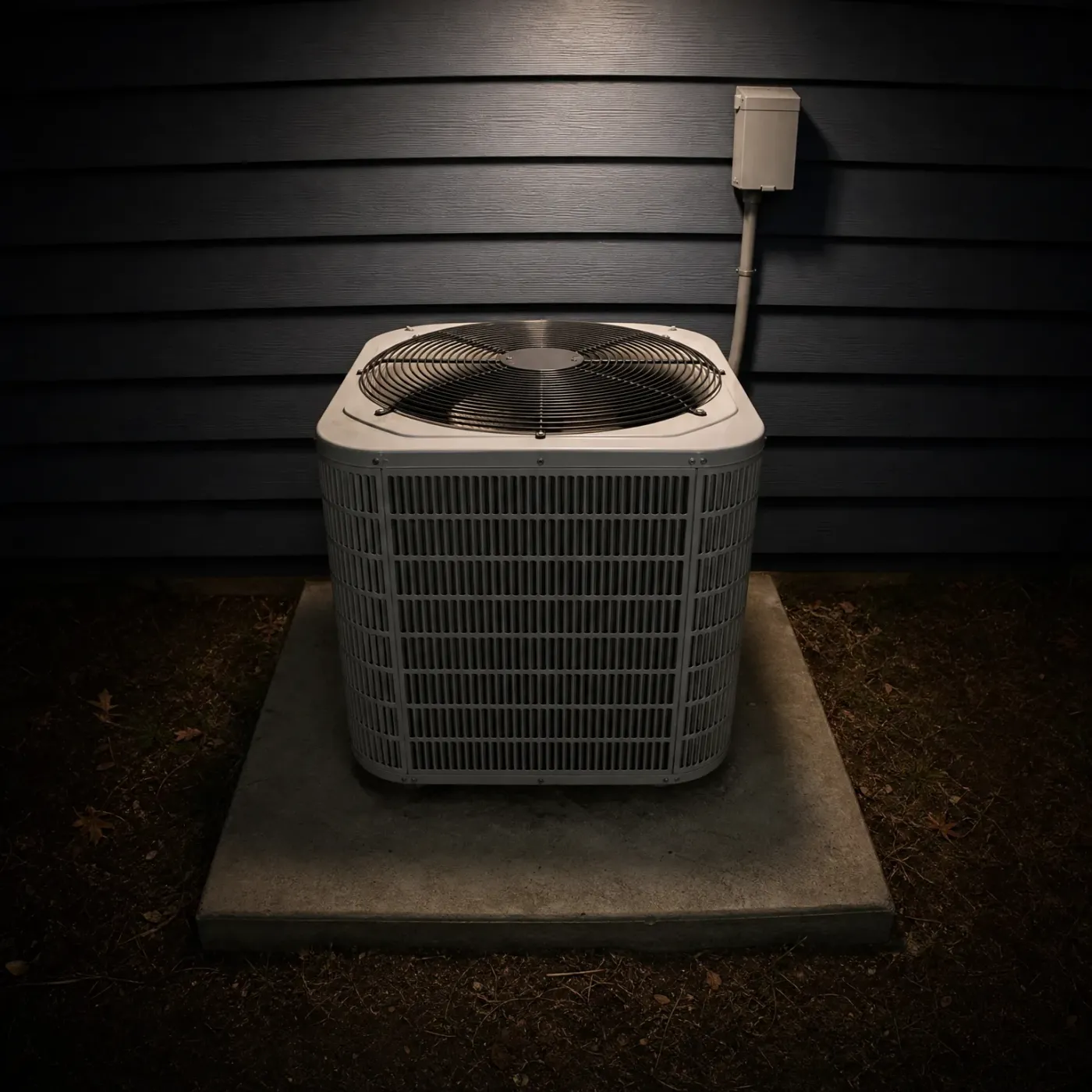
A standard heat pump starts falling behind before it gets anywhere near that cold. Below 40°F it puts out less heat than its rating says. Below about 35°F it often needs backup heat to make up the difference. The average winter night here is 11°F, under both marks, and every one of the 170 nights at or below freezing is under both marks too. For most of the season this machine is needed, it is working below its strong range.
That is part of why it costs more to run here. The heat pump figure above, $1.69 per 100,000 Btu against $0.97 for a furnace, is the federal-minimum heat pump's own seasonal rating, before adding anything for the backup heat it leans on below 35°F. A furnace burning gas at 80 percent efficiency makes the same heat for less at Montana's prices.
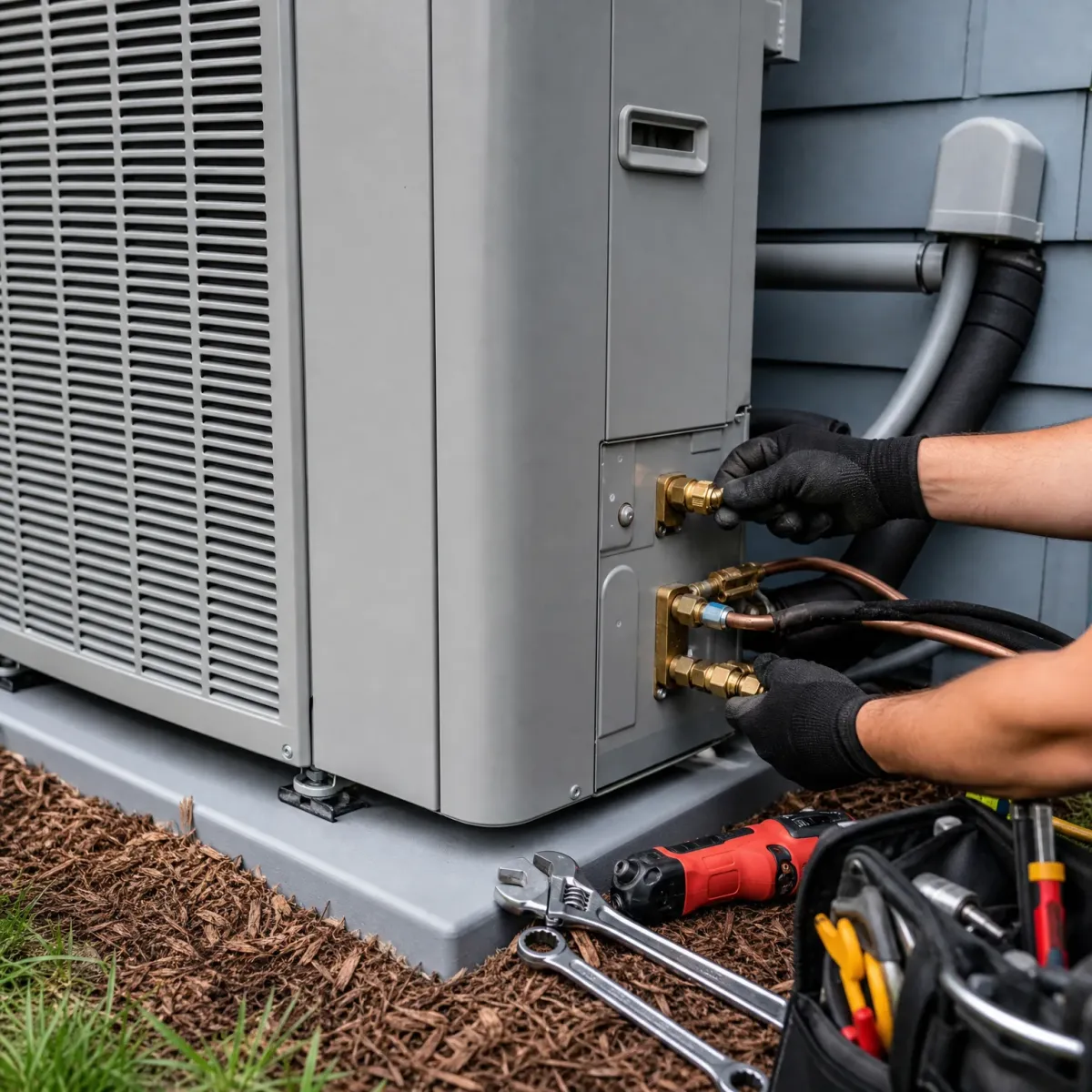
There is a real answer for cold-weather performance, and it is a different machine than the federal-minimum one the price above assumes. A heat pump carrying the ENERGY STAR Cold Climate mark has to make at least 1.75 units of heat per unit of electricity at 5°F, and hold onto 70 percent of its 47°F capacity at that temperature, checked by outside testing. In a two-winter test of prototype cold-climate units in occupied homes, backup heat covered only a small share of the load between 0°F and 35°F, and running on backup alone was rare even below 0°F.