
Heat pump vs furnace in Big Horn County, Montana

Start My Quote

Heat pump or furnace, one form

A person's hand adjusts a round thermostat on a dark blue-gray wall, with a living room and an open tool bag visible in the background.

Tell us about the job

Takes about a minute. No obligation.

New system or replacementBig Horn County, MT
Step 1 of 3

What kind of equipment?

Which costs less to run in Big Horn County?

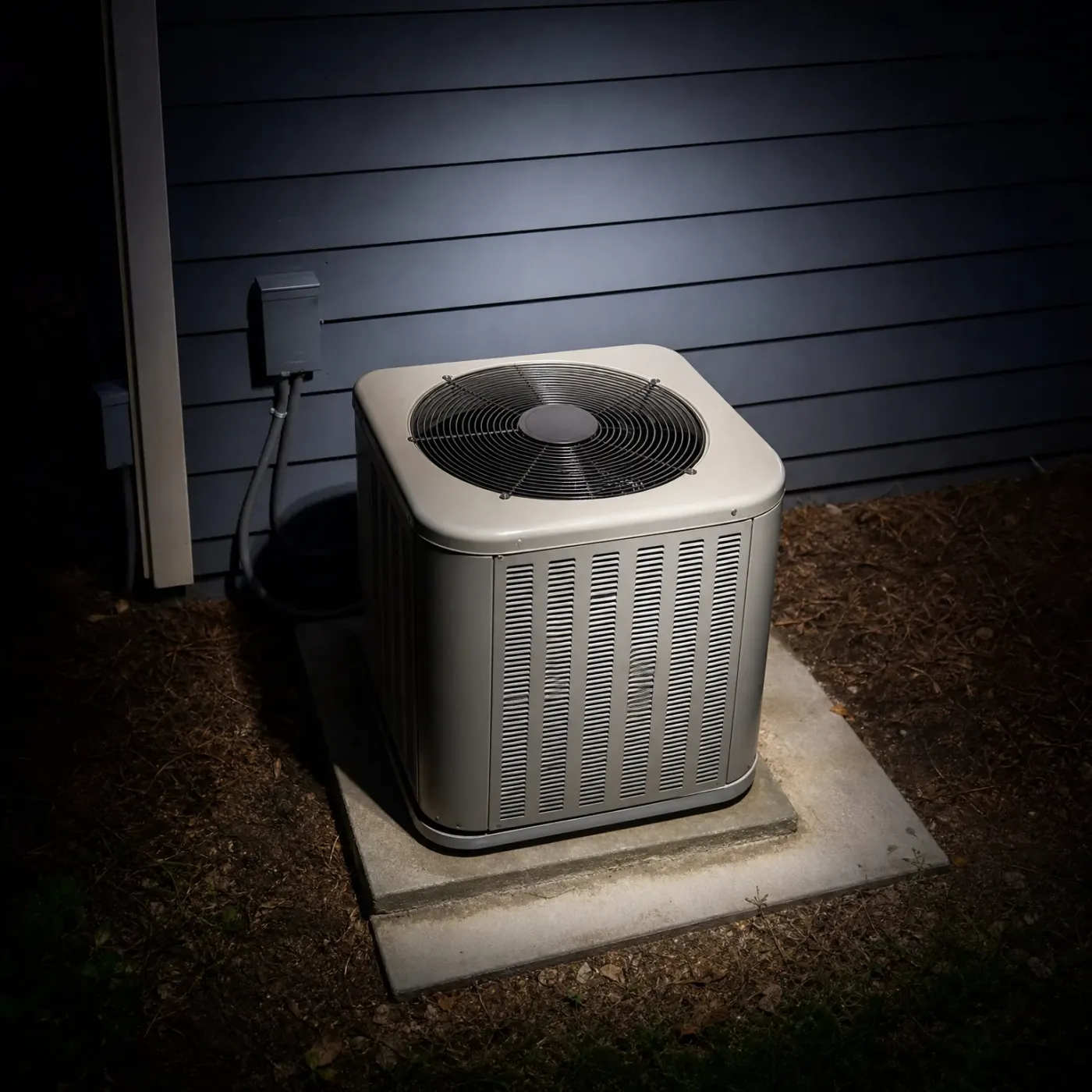
An outdoor air conditioner condenser unit on a concrete pad beside a house with dark horizontal lap siding, with an electrical disconnect box and conduit on the wall behind it.

Heat pump

To heat your home here$1.69per 100,000 Btu

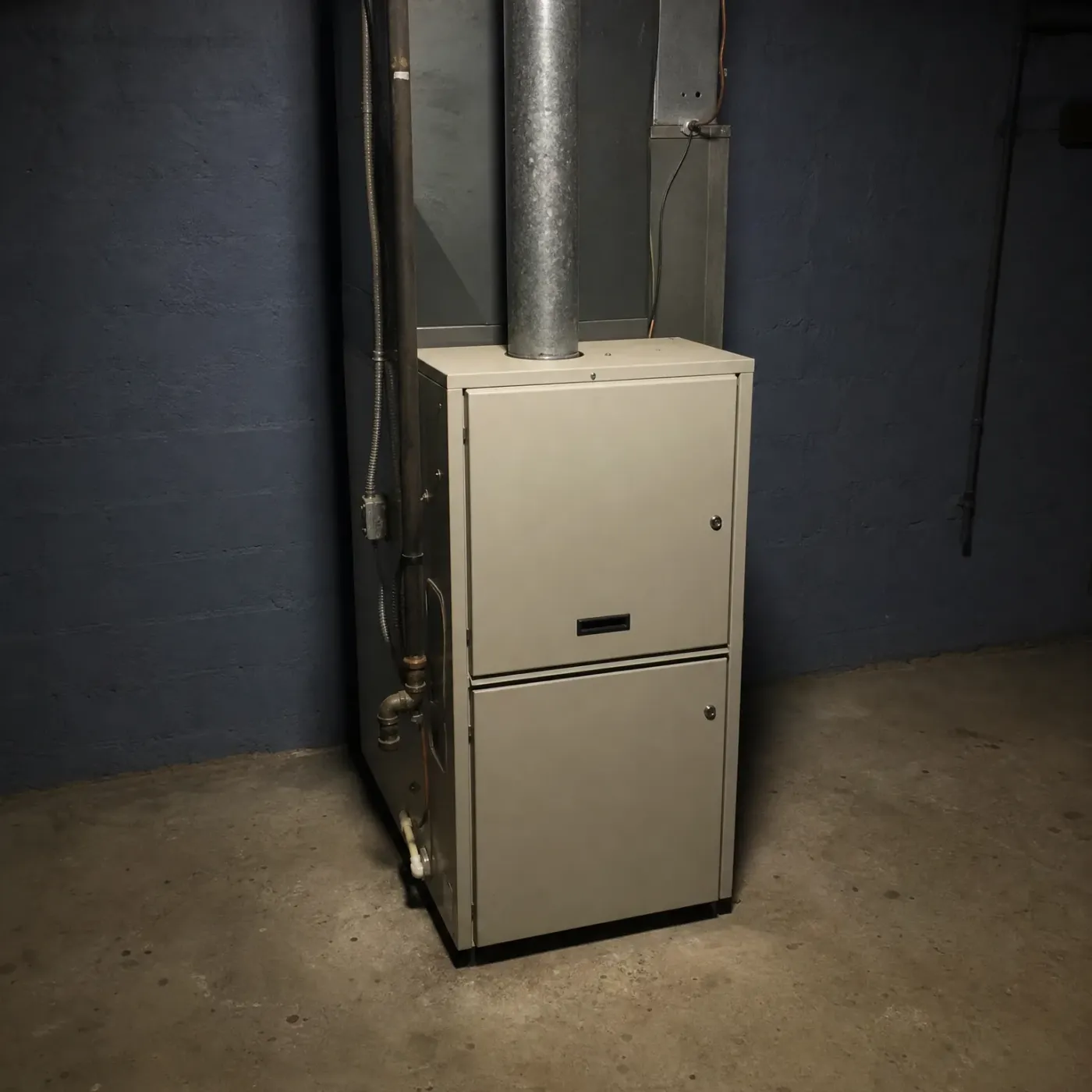
A beige two-panel furnace stands against a dark blue-gray painted block wall in a basement, with a galvanized metal flue pipe and ductwork rising from its top and flexible conduit and pipes along the left side.

Furnace

To heat your home here$0.97per 100,000 Btu

At Montana's gas and electricity prices, a gas furnace makes the same heat as a heat pump for at least 42% less.

Btu stands for British thermal unit, the standard measure of heat energy.

Where does a heat pump shine?

  • Heats and cools in one system

    Winter and summer are covered by the same outdoor unit. That's one machine to service instead of two.

    A living room with a grey three-seat sofa with navy and beige cushions and a dark throw, set before a large multi-pane window looking onto green trees, with a rustic wood coffee table holding plants, bowls and books on a woven rug, a grey panelled door at left and an exposed wooden beam above.
  • No gas line, nothing burning in the house

    A heat pump runs on electricity alone. Nothing burns inside the house.

    A kitchen with navy cabinets, white countertops, gray herringbone tile backsplash, stainless range hood over a cooktop with a kettle, open wood shelves with dishes, two glass pendant lights, a window, and a bowl of green apples on the foreground island.
  • Steady, even comfort

    Instead of short bursts of heat, it keeps a gentle, steady output going. The house stays at one comfortable temperature.

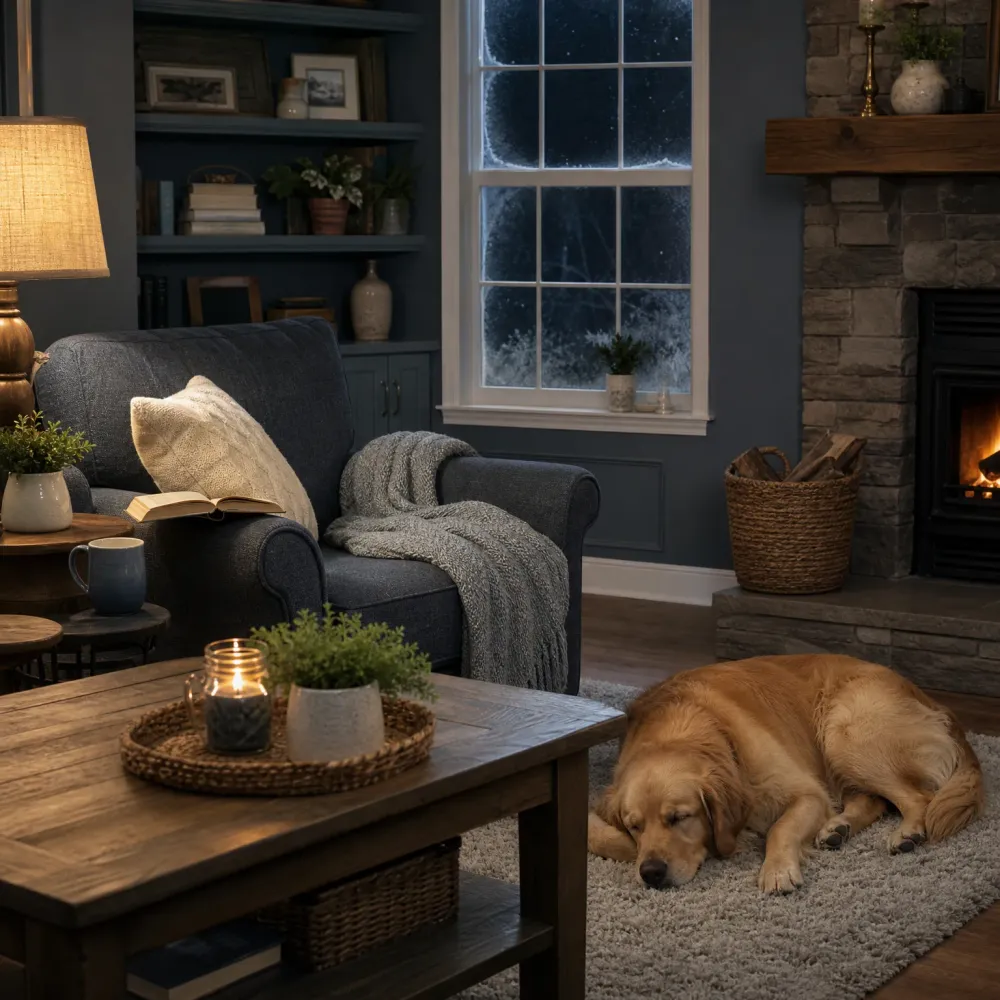
    A dimly lit living room with a dark gray armchair, knit blanket and open book, a wooden coffee table with a candle and plant, a stone fireplace with a lit fire, a frosted window, and a golden-colored dog sleeping on a light rug.

Where does a furnace shine?

  • Strong, steady heat in hard cold

    Winter nights in Big Horn County average 14°F, and a furnace keeps putting out the same hot air no matter how far the temperature drops outside. That steady heat matters on the coldest nights of the year.

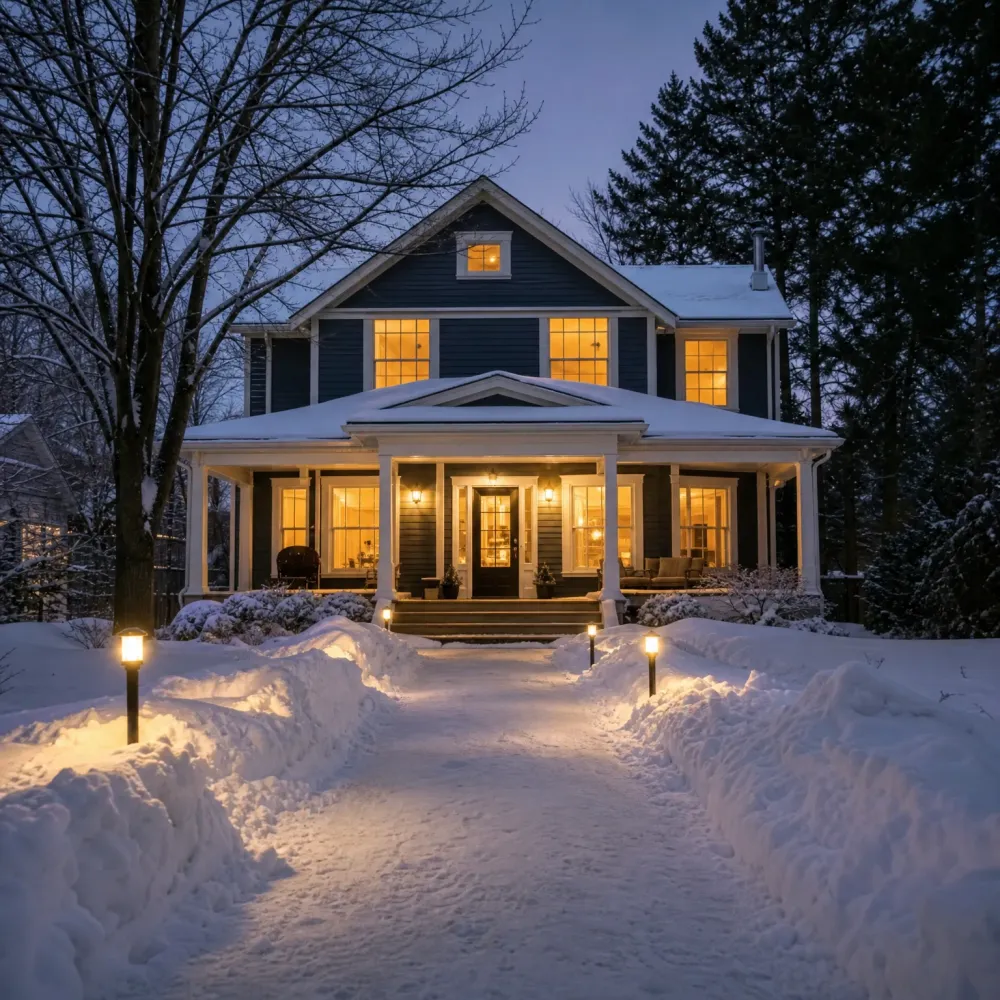
    A two-story dark-sided house with a white covered porch and lit windows at dusk, with a shoveled snow path lined by small glowing path lights leading to the front steps.
  • Pairs with any central AC

    Most central air systems are built around a furnace. The two share the blower, the ducts and the thermostat.

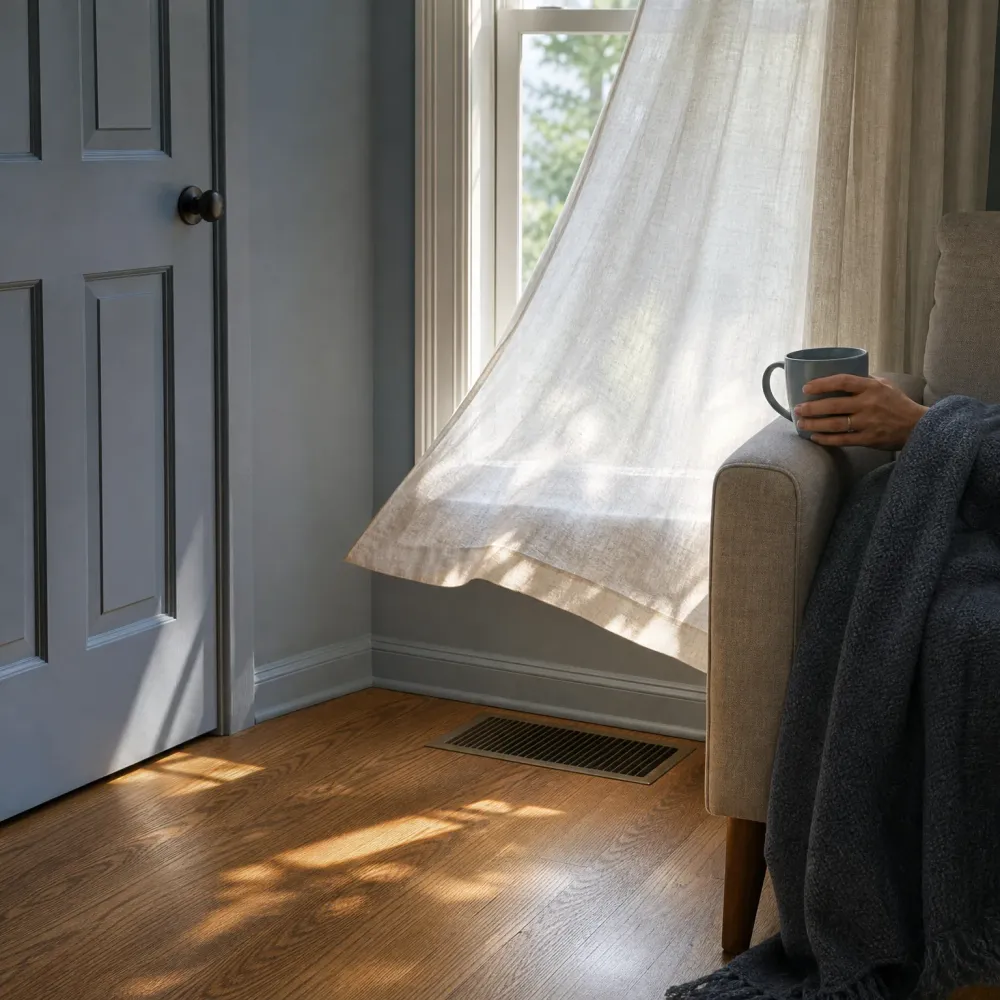
    A person's hand holding a gray mug rests on the arm of a beige sofa draped with a dark knit blanket, beside a window with a billowing sheer curtain, with a gray paneled door and sunlit wood floor at left.
  • Fast, strong heat on demand

    The air coming from the vents feels genuinely hot. That's welcome on a freezing morning.

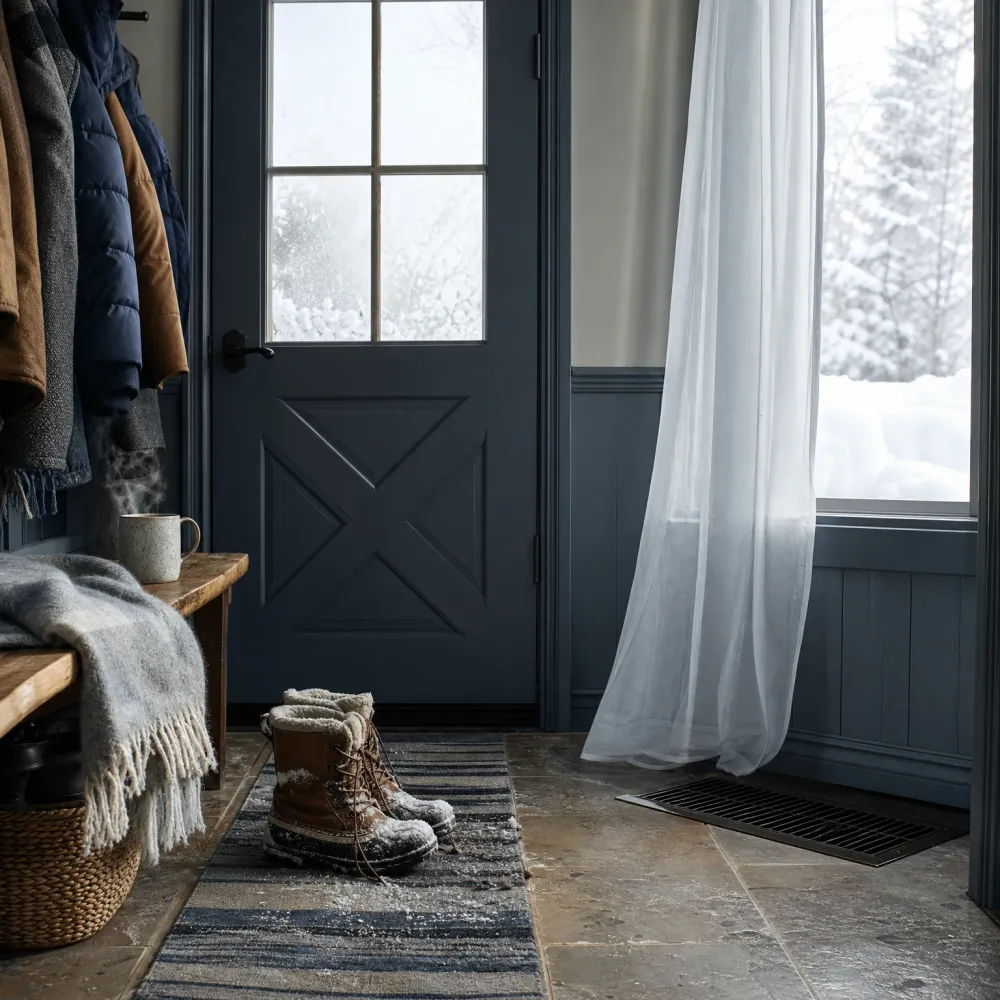
    Mudroom entry with a dark blue door and wainscoting, coats on hooks, a wooden bench with a gray fringed throw and mug, snow-dusted winter boots on a striped rug, a floor vent, and a sheer-curtained window showing snow outside.

What winter here does to a heat pump

Winter is the whole question in Big Horn County. Heat runs ten months a year here, September through June, and the overnight low averages 14°F across December, January and February. That number matters because of where a standard heat pump starts losing ground. Below 40°F it already puts out less heat than its rating. Below about 35°F it often needs backup heat to make up the difference. An average winter night here is 14°F, under both marks, and so is every single one of the roughly 175 nights a year that fall at or below freezing.

That's over half the nights in the heating season spent below the point where a standard heat pump is working at a disadvantage, and about 20 of those nights a year drop to 0°F or colder, where it leans hardest on backup heat. A heat pump still makes heat down there. It just isn't the strong, steady source it is at 47°F, and on the coldest nights something else needs to carry the load. A furnace has no such point. It burns gas, it makes heat, and the outside temperature doesn't change that math.

There's a real version of a cold-climate heat pump built for this. To earn the ENERGY STAR Cold Climate label, it has to keep making heat efficiently and hold onto most of its capacity all the way down to 5°F, tested by someone other than the company selling it. Field tests of these units found backup heat only filled in a small share of the output between 0°F and 35°F, and running on backup alone was rare even above 0°F. That is a different machine from the standard heat pump the running-cost figures above are built on, and it is the one worth asking for if a heat pump is still on the table here.
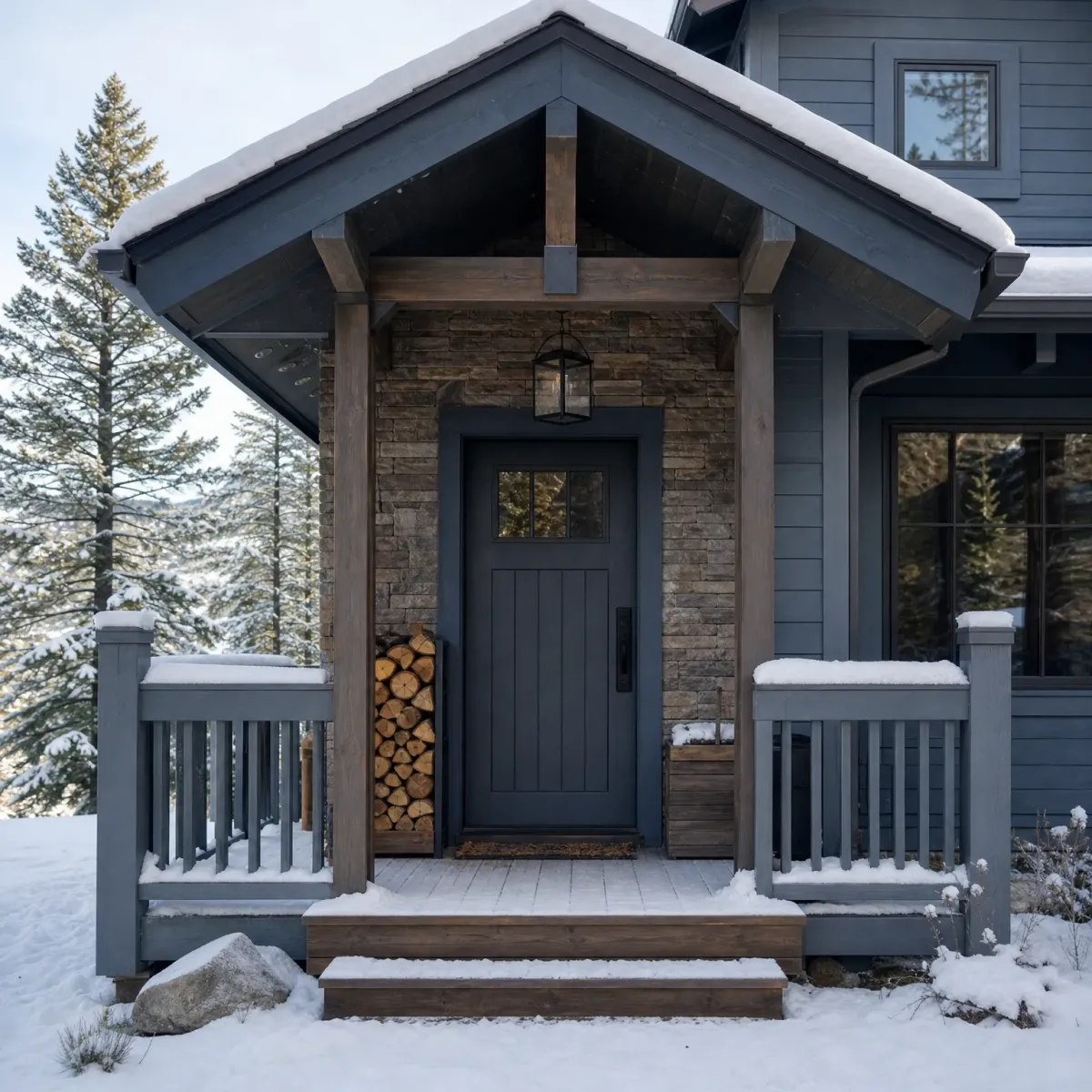
Snow-covered entry porch of a gray house with a gabled roof, heavy timber posts, stone veneer wall, dark front door, stacked firewood, and railings, with conifers in the background.

Cost, cooling, and what's already in the house

Run the numbers at Montana's own prices and the furnace wins on cost. A heat pump here runs $1.69 per 100,000 Btu of heat; a gas furnace runs $0.97, using the federal minimum efficiency for each and nothing added for backup heat on the cold nights. That gap holds for all ten months heat is needed. Propane runs higher still, $22.28 per million Btu against natural gas at $7.77, so a home choosing between a furnace on gas and a furnace on propane is choosing a real cost difference too.

Summer barely figures into this. Cooling runs two months here, July and August, and the afternoon only reaches 90°F or hotter about 45 days a year. A furnace does nothing for that; it pairs with a separate central AC. A heat pump already cools, since it's the same machine running in reverse, which is worth something in a county where cooling season is short but still real.

What's already heating homes here splits three ways and none of them is electric resistance or a heat pump: utility gas at 36.9%, propane at 28.7%, and electricity, which includes homes on heat pumps and baseboard alike, at 25.3%. That's close to the state's own mix of gas and propane homes. Whichever system is already in a given house is worth checking before anything else, since a home already piped for gas or already set up for a heat pump changes what switching actually costs. For a house starting from scratch, the cold nights and the running cost both point the same way: a furnace for heat, with a separate AC for the two months that need it, is the steadier answer here. A cold-climate heat pump is the one case worth a second look, for someone who wants one system that both heats and cools and is willing to pay more per Btu for it.

Sources: NOAA nClimDiv · NOAA 1991–2020 seasonal normals · Census ACS 2020–2024 · EIA SEDS 2024 · 10 CFR 430.32 · PNNL Building America guide · PNNL-37127 field study · ENERGY STAR product criteria

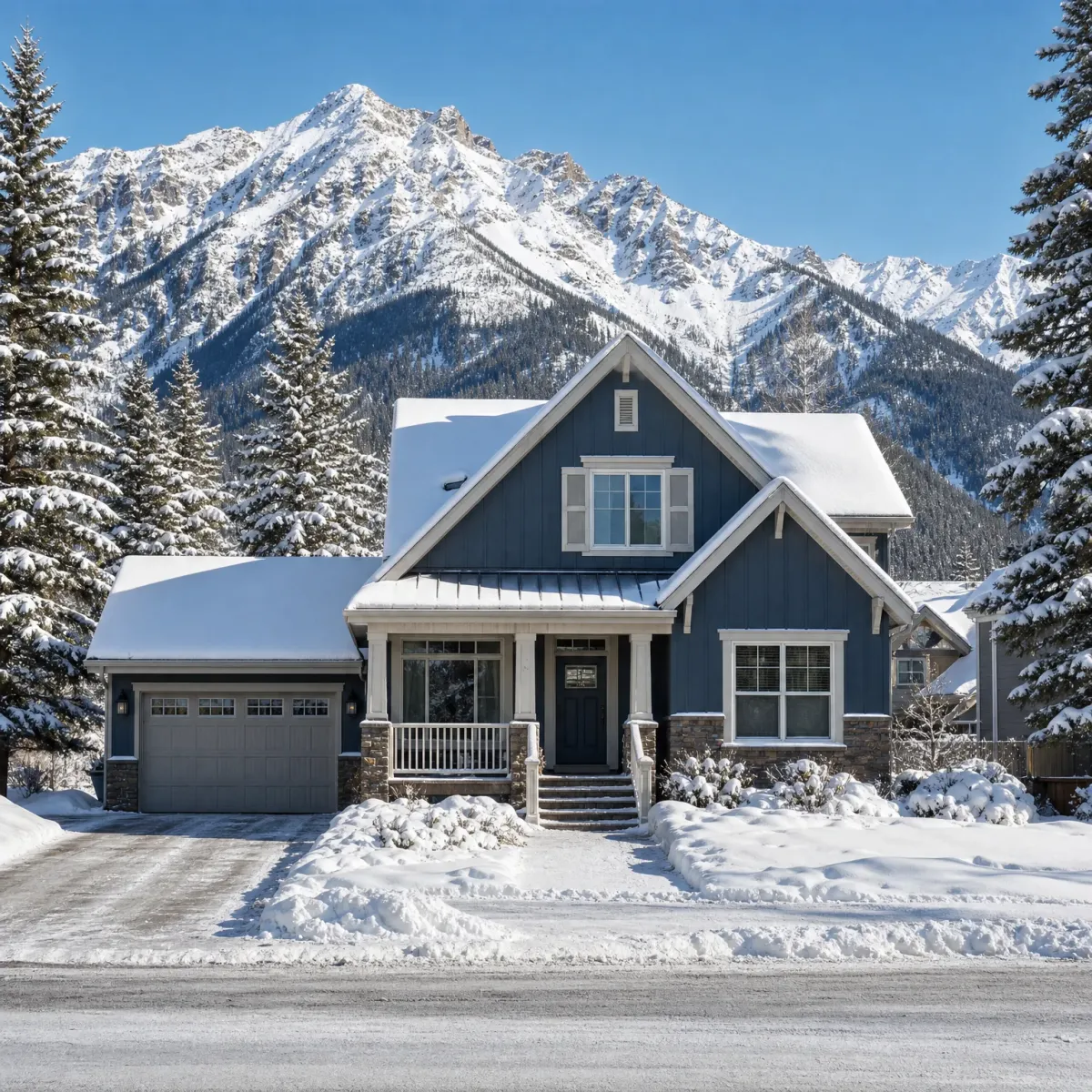
A two-story dark blue house with white trim, an attached garage and covered porch, surrounded by snow-covered ground and conifers, with snowy mountains under a clear blue sky behind it.

Common questions about heat pumps and furnaces

  • Can a heat pump heat a house through a Montana winter?

    A standard heat pump will fall behind on the coldest nights here. Below 40°F it puts out less than its rated heat, and about 175 nights a year here drop to freezing or lower, with 20 of those at 0°F or below. A cold climate model keeps most of its capacity down to 5°F, which covers all but the hardest nights.

  • Do I need backup heat with a heat pump here?

    Yes, most houses here will need it. Your overnight low averages 14°F across December through February, well below the 35°F mark where a standard heat pump starts leaning on backup heat. A cold climate model rated for 5°F holds up better, but check what's installed against that rating before you count on it alone.

  • Can I keep my furnace and add a heat pump?

    Yes, and here that pairing carries real weight. The furnace covers the roughly 175 nights a year at or below freezing when a heat pump alone would struggle, and the heat pump takes over the milder stretches of the ten-month heating season, plus cooling in July and August.

  • What if my house heats with oil or propane?

    A heat pump replaces the heating a propane or oil system does, and adds cooling an oil furnace does not. Propane runs $22.28 per million Btu here against $7.77 for natural gas, so a house on propane is paying well above the gas-furnace cost of $0.97 per 100,000 Btu this page compares against. Whether a heat pump alone or a heat pump paired with backup costs less than staying on propane depends on how cold the house runs and what backup it would use.