
Heat pump vs furnace in Pondera County, Montana

Find a Pro Near You

Quotes on either system

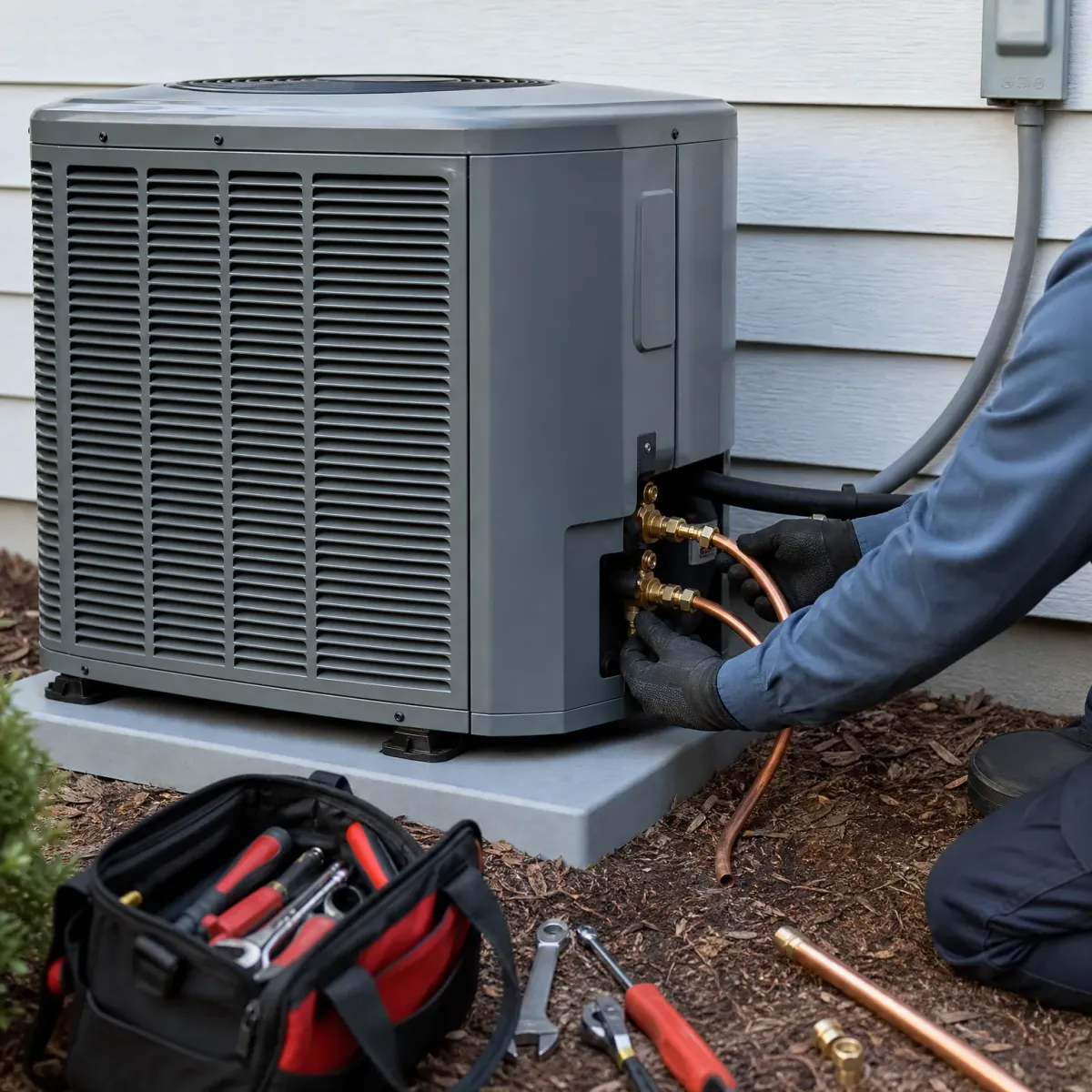
A gloved worker in a blue shirt connects copper refrigerant lines to the service valves of a gray outdoor condenser unit on a concrete pad beside a light-colored lap-sided house, with a tool bag and hand tools on the mulch in the foreground.

Tell us about the job

Takes about a minute. No obligation.

New system or replacementPondera County, MT
Step 1 of 3

What kind of equipment?

Which costs less to run in Pondera County?

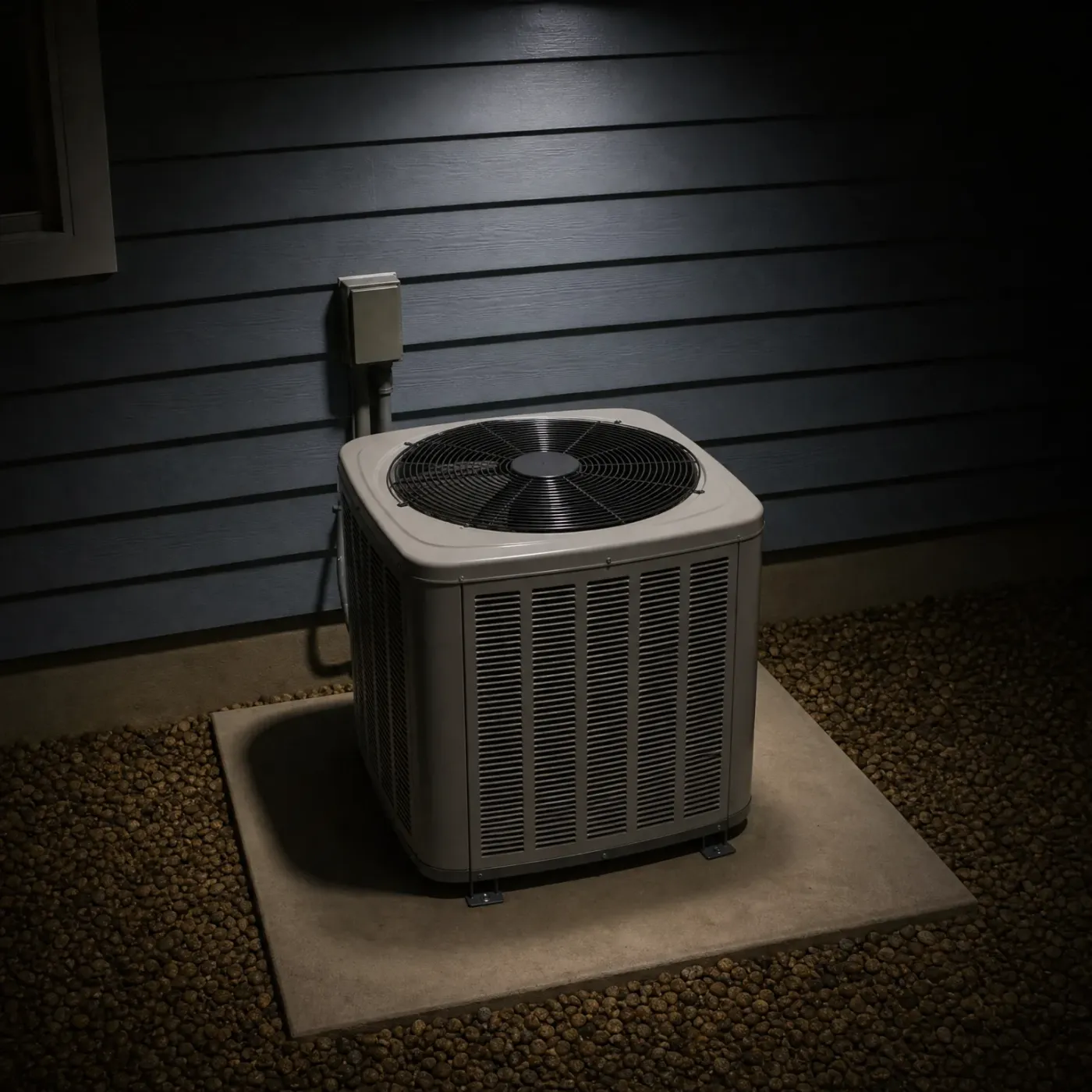
An outdoor air conditioner condenser unit on a concrete pad surrounded by gravel, next to a dark horizontal-lap sided house wall with an electrical disconnect box above it, lit at night.

Heat pump

To heat your home here$1.69per 100,000 Btu

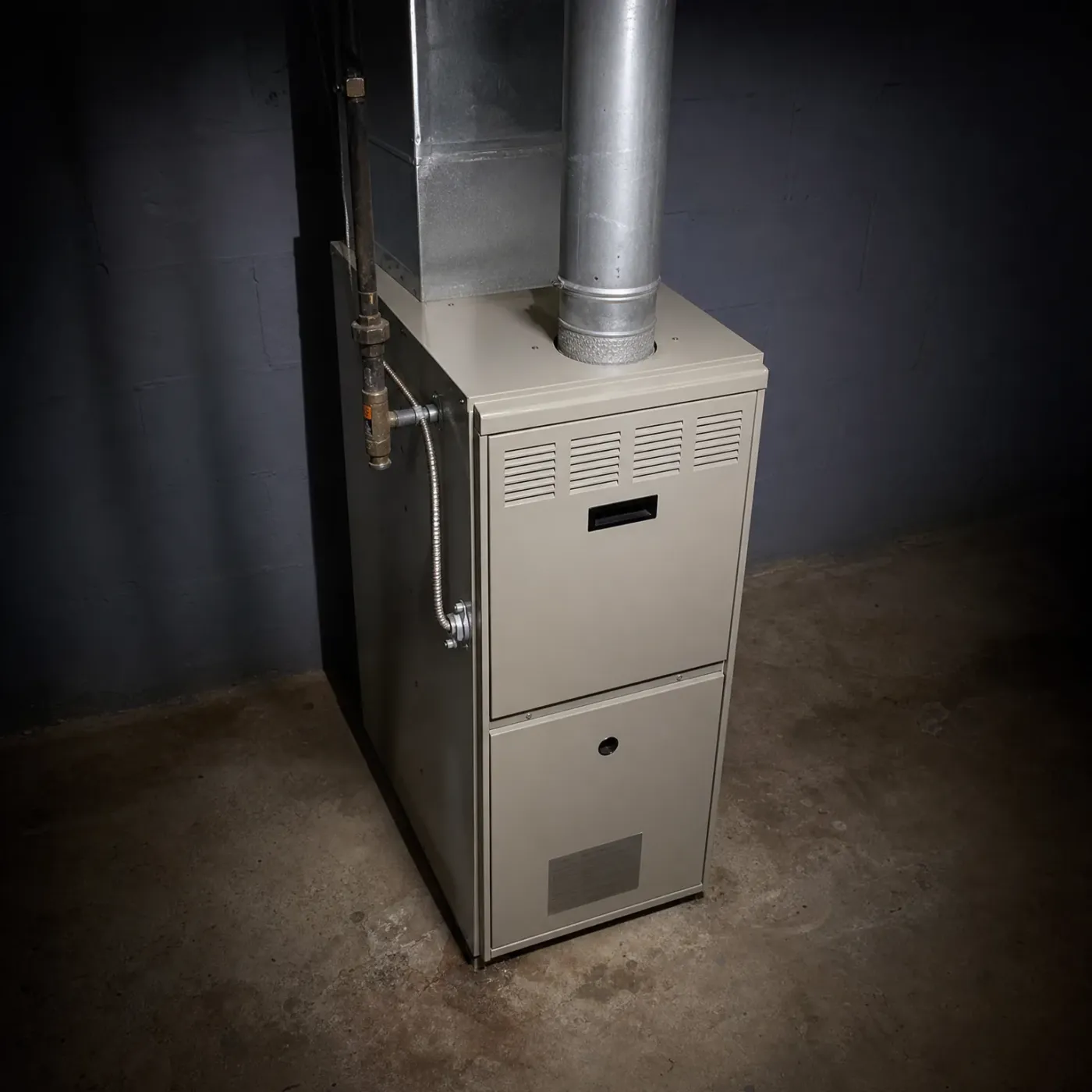
A beige gas furnace with louvered front panels stands on a concrete floor against a dark painted block wall, connected to a metal flue pipe, rectangular duct, and a gas line with flexible conduit.

Furnace

To heat your home here$0.97per 100,000 Btu

At Montana's gas and electricity prices, a gas furnace makes the same heat as a heat pump for at least 42% less.

Btu stands for British thermal unit, the standard measure of heat energy.

Where does a heat pump shine?

  • No gas line, nothing burning in the house

    There's no gas line to the unit and no flame anywhere in it. Carbon monoxide isn't part of the picture.

    A kitchen island with a white marbled countertop holding a black induction cooktop and a stainless steel whistling kettle, with dark blue-gray cabinetry, a stainless steel refrigerator, a potted green plant, and a wooden shelf with utensils and cutting boards in the background.
  • Steady, even comfort

    It eases up and down with the weather. There are fewer swings between too warm and too cool.

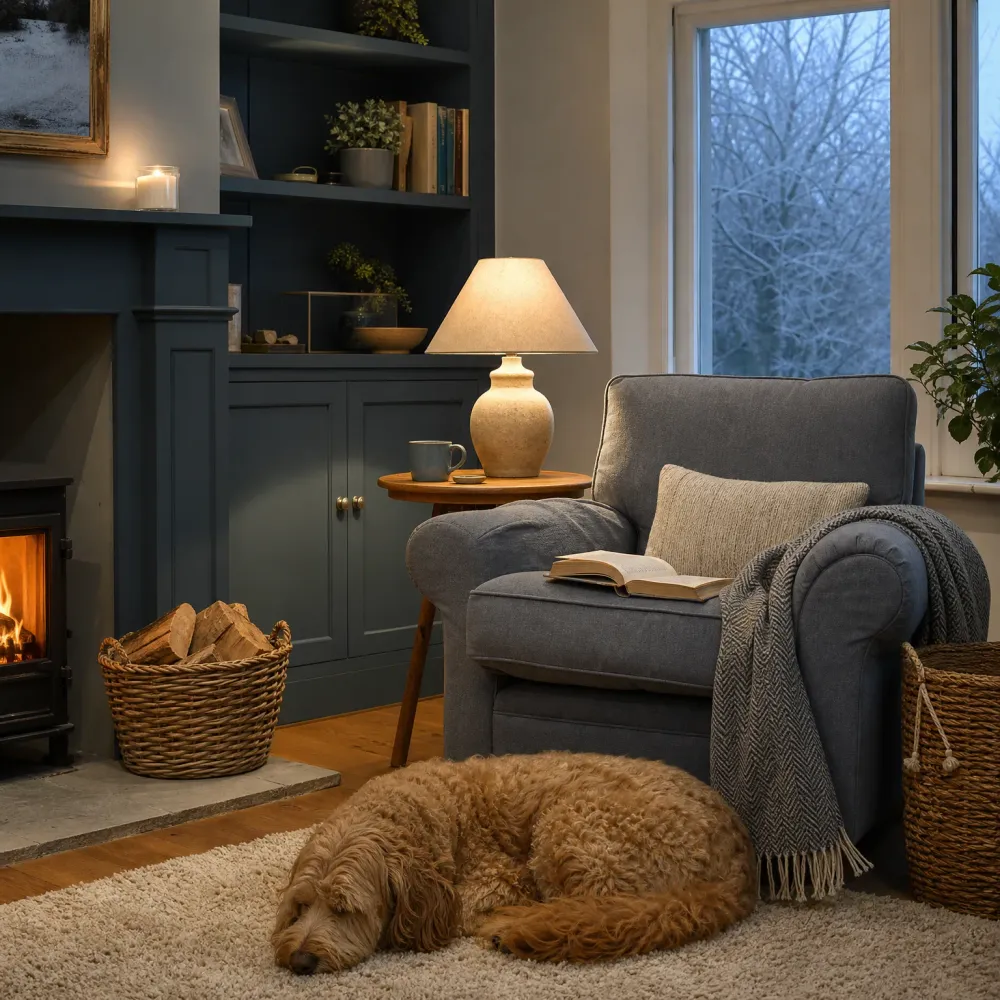
    A living room with a lit wood stove, dark blue-grey fireplace surround and built-in shelving, a grey armchair with a herringbone throw and open book, a lit table lamp on a small wooden side table, a basket of logs, and a curly-coated tan dog sleeping on a cream rug.
  • Heats and cools in one system

    Winter and summer are covered by the same outdoor unit. That's one machine to service instead of two.

    A living room with a beige sofa with blue and patterned cushions and a gray fringed throw, set before a large white-framed window looking onto green trees and a flowering garden, flanked by dark gray built-in bookshelves, with a wooden coffee table holding flowers and books on a woven rug.

Where does a furnace shine?

  • Strong, steady heat in hard cold

    Nights here average 12°F through December, January and February, and a furnace keeps putting out the same hot air no matter how far the temperature drops below that. It doesn't lose capacity in a hard freeze the way some other equipment can.

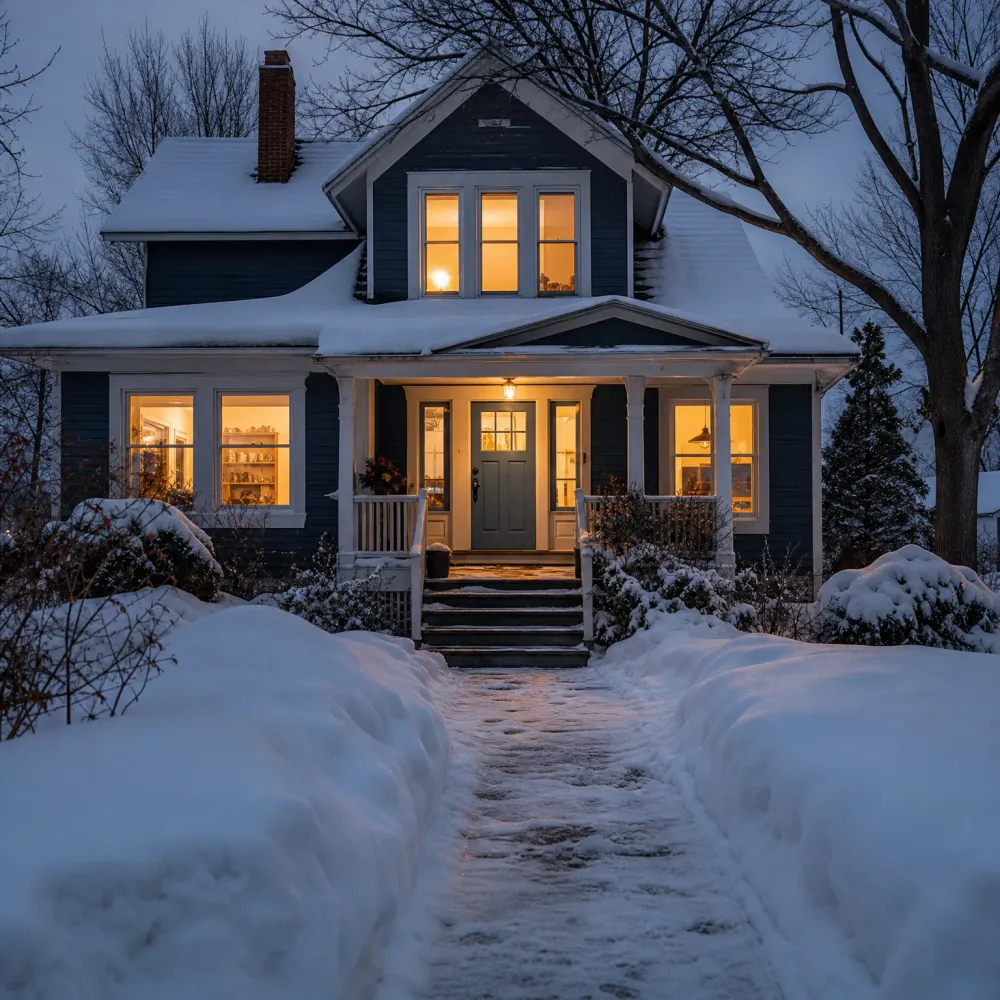
    A dark blue two-story house with white trim, a covered front porch and lit windows at dusk, with deep snow covering the roof, yard and a shoveled path leading to the front steps.
  • Runs on the gas most homes here already use

    Just over half the homes in Pondera County already heat with gas. If yours is one of them, the line running to your house is already there, and a gas furnace just uses it.

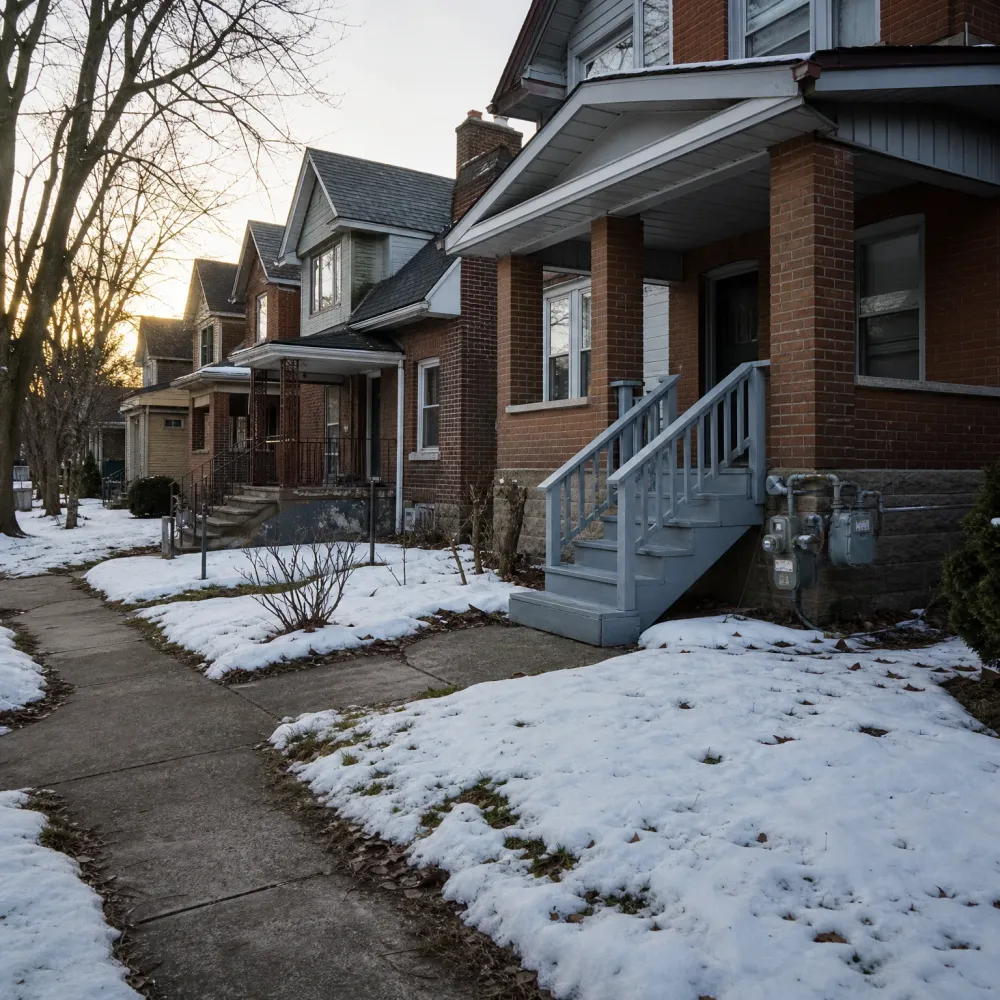
    A row of brick houses with covered porches along a sidewalk, with patchy snow on the front lawns and bare trees at left under a pale sky.
  • Fast, strong heat on demand

    Turn the heat up and the furnace answers right away. There's no long wait for the house to catch up.

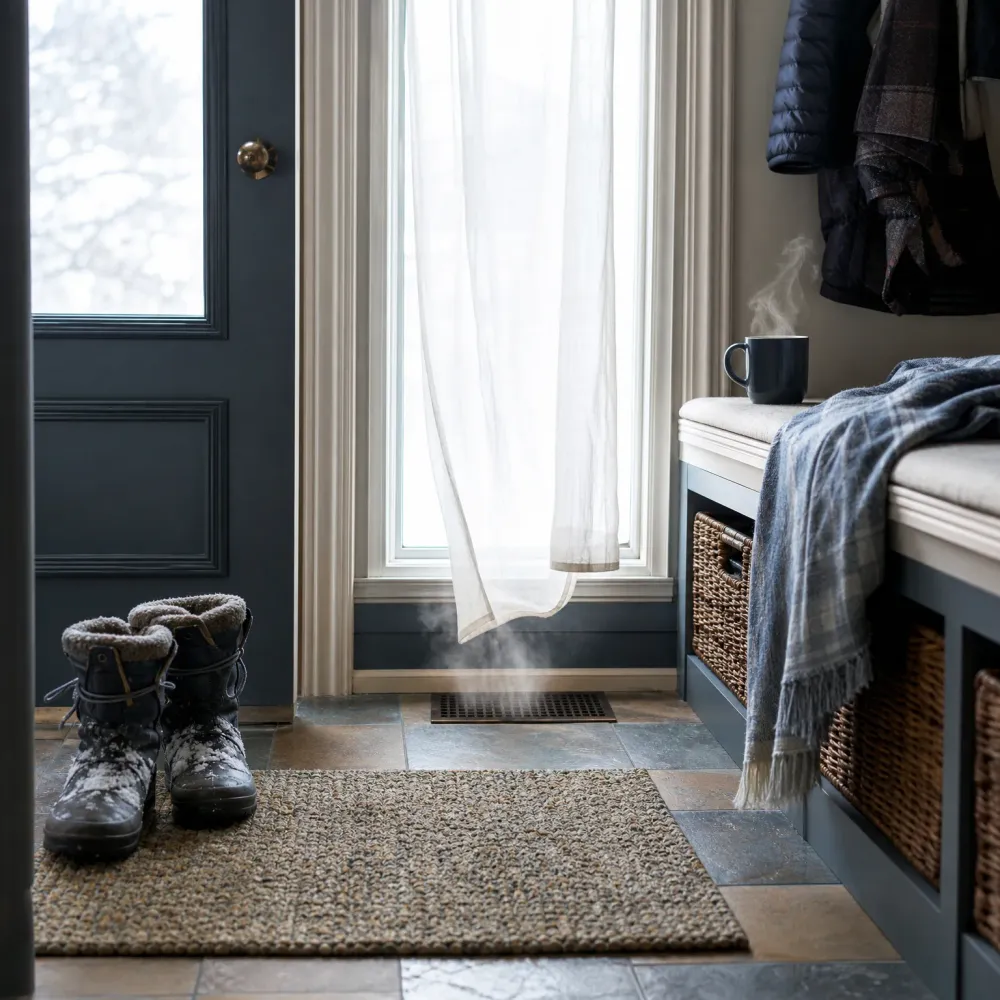
    A mudroom entry with snow-dusted winter boots on a woven jute mat, a dark blue door with glass panel, a sheer-curtained window, a floor vent emitting visible steam, and a bench with wicker baskets, a gray plaid throw, and a steaming mug.

Twelve degrees average, and the heat runs ten months here

Pondera County doesn't have a cooling season, so this choice is really about one thing: what keeps your house warm from September through June. A gas furnace is built for exactly that. A heat pump has to do it in weather it wasn't designed around.

The average overnight low here is 12°F. A standard heat pump starts losing ground before it even gets that cold. Below 40°F its heat output falls short of its rated capacity, and below about 35°F it often needs backup heat to make up the difference. Here, every one of the roughly 185 nights a year that drop to freezing or below is already past both of those marks.

That's over half the nights in a year spent below the point where a standard heat pump is working at a disadvantage. And about 25 nights a year here fall to 0°F or colder, deep into the range where output drops to a fraction of what the unit is rated for.

A gas furnace doesn't have a performance curve that bends with the temperature. It burns gas and makes heat, the same way at 12°F as at 32°F. That's the practical case for it in this county: the weather here asks for exactly what a furnace is built to do.
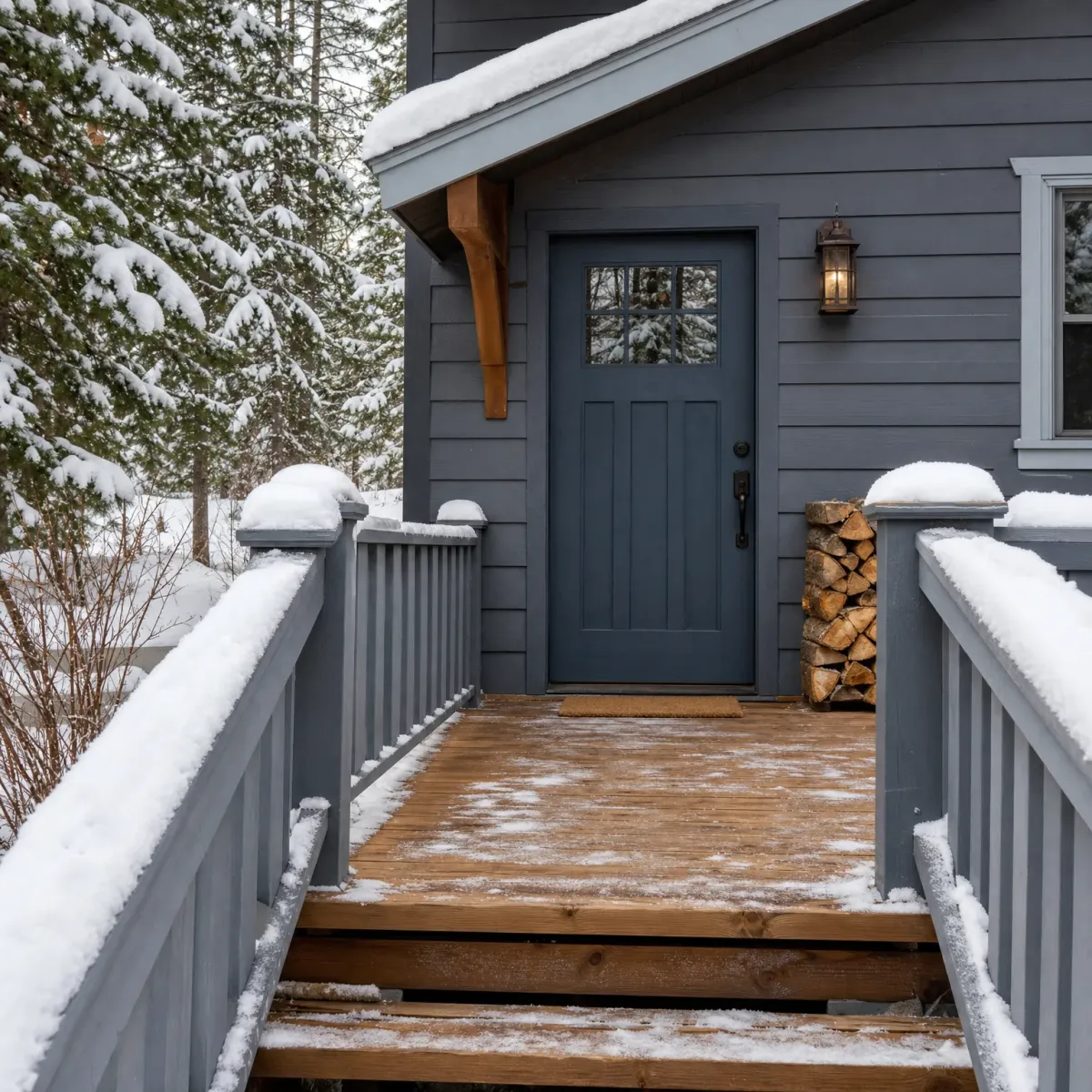
A snow-dusted wooden deck and steps with gray painted railings lead to a blue front door on a gray lap-sided house, with a stacked firewood pile, a wall lantern, and snow-covered evergreen trees at left.

What it costs to run, and what's already in the ground

Run the numbers and gas wins on cost too. A furnace here makes the same heat for $0.97 per 100,000 Btu against $1.69 for a heat pump, using Montana's own electricity and gas prices. That is gas at least 42% cheaper to run, and the heat pump's number does not even include the backup heat it would lean on during Pondera County's coldest stretches.

Gas is also what the county is already built around. Utility gas heats just over half the homes here, and propane heats about one in five more. Electricity, on its own, heats about one in five homes. If your house already has a gas line, a furnace uses infrastructure that's already there.

None of this means a heat pump can't work in Pondera County. Cold-climate models are built and certified for weather like this. One built to the ENERGY STAR Cold Climate standard has to deliver real heat even at 5°F and hold onto most of its capacity at that temperature, not just the mild-day rating. Field testing on prototype cold-climate units found that even between 0°F and 35°F, backup heat covered only a small share of the total, and the unit running on backup alone was rare above 0°F. That is a different machine than the standard model the cost comparison above is built on.

So the honest answer depends on which heat pump you mean. Against a standard unit, the case for a furnace in this county is plain: cheaper to run, suited to the cold, built on the fuel most of your neighbors already use. Against a cold-climate heat pump, the ground gets more even, though the running cost still favors gas at today's prices, and a heat pump adds central air conditioning as part of the same system.

Sources: NOAA nClimDiv · NOAA 1991–2020 seasonal normals · Census ACS 2020–2024 · EIA SEDS 2024 · 10 CFR 430.32 · PNNL Building America guide · PNNL-37127 field study · ENERGY STAR product criteria

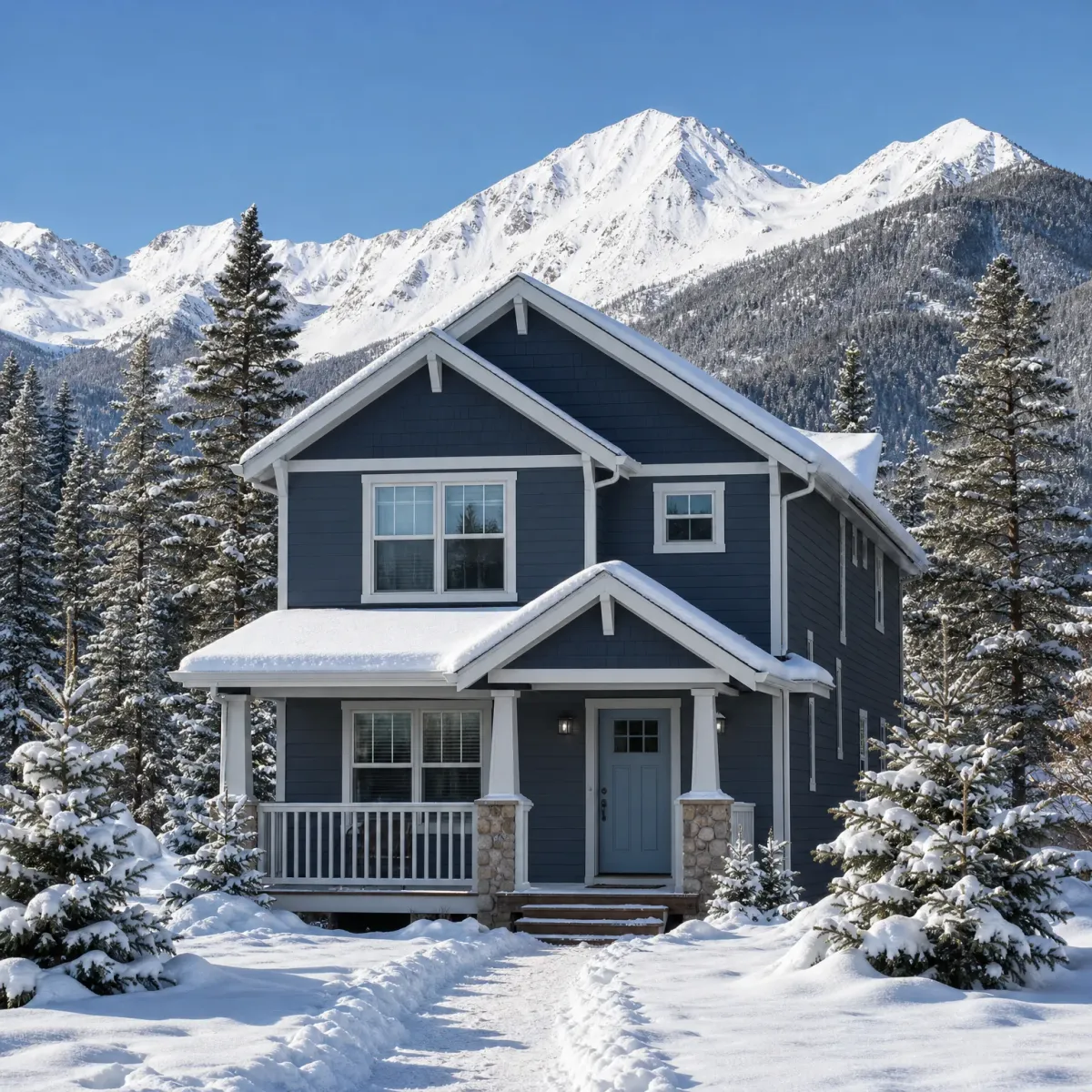
A two-story dark blue house with white trim, a covered porch with stone-based columns, and a light blue front door, surrounded by snow-covered conifers with snowy mountains behind under a clear blue sky.

Common questions about heat pumps and furnaces

  • Can a heat pump heat a house through a Montana winter?

    A standard heat pump struggles to do it alone. Below 40°F it puts out less heat than its rating, and below about 35°F it often needs backup heat to keep up. The average overnight low here is 12°F across December, January and February, and almost every night the heat runs falls below both of those marks.

  • Do I need backup heat with a heat pump here?

    Yes, if it's a standard heat pump. Its output drops below 40°F and it typically leans on backup heat below about 35°F, and the overnight low here averages 12°F in winter with about 25 nights a year at 0°F or below. A cold climate heat pump with the ENERGY STAR Cold Climate mark holds up better at low temperatures, but even that is worth pairing with a backup source for the coldest nights.

  • Can I keep my furnace and add a heat pump?

    Yes, and here that often makes more sense than replacing the furnace outright. The furnace stays as backup for the nights that drop toward 12°F or below, and the heat pump takes the milder stretches instead. It's the furnace's gas line and the heat pump's electric side working as two separate systems, not one machine doing both.

  • Is a heat pump cheaper to run than a furnace in Pondera County?

    No, a furnace costs less to run here. Montana's gas and electricity prices put a furnace at $0.97 per 100,000 Btu against $1.69 for a heat pump, and that heat pump figure doesn't include backup heat running on the coldest nights. A furnace burning gas, the fuel a little over half the homes here already use, comes out cheaper by a wide margin.