
Heat pump vs furnace in Sweet Grass County, Montana

Price a Replacement

Install quotes in Sweet Grass County

A person's hand adjusts a round wall-mounted thermostat with a black display on a gray wall, with a tool bag in the foreground and a living room with sofas and a coffee table behind.

Tell us about the job

Takes about a minute. No obligation.

New system or replacementSweet Grass County, MT
Step 1 of 3

What kind of equipment?

Which costs less to run in Sweet Grass County?

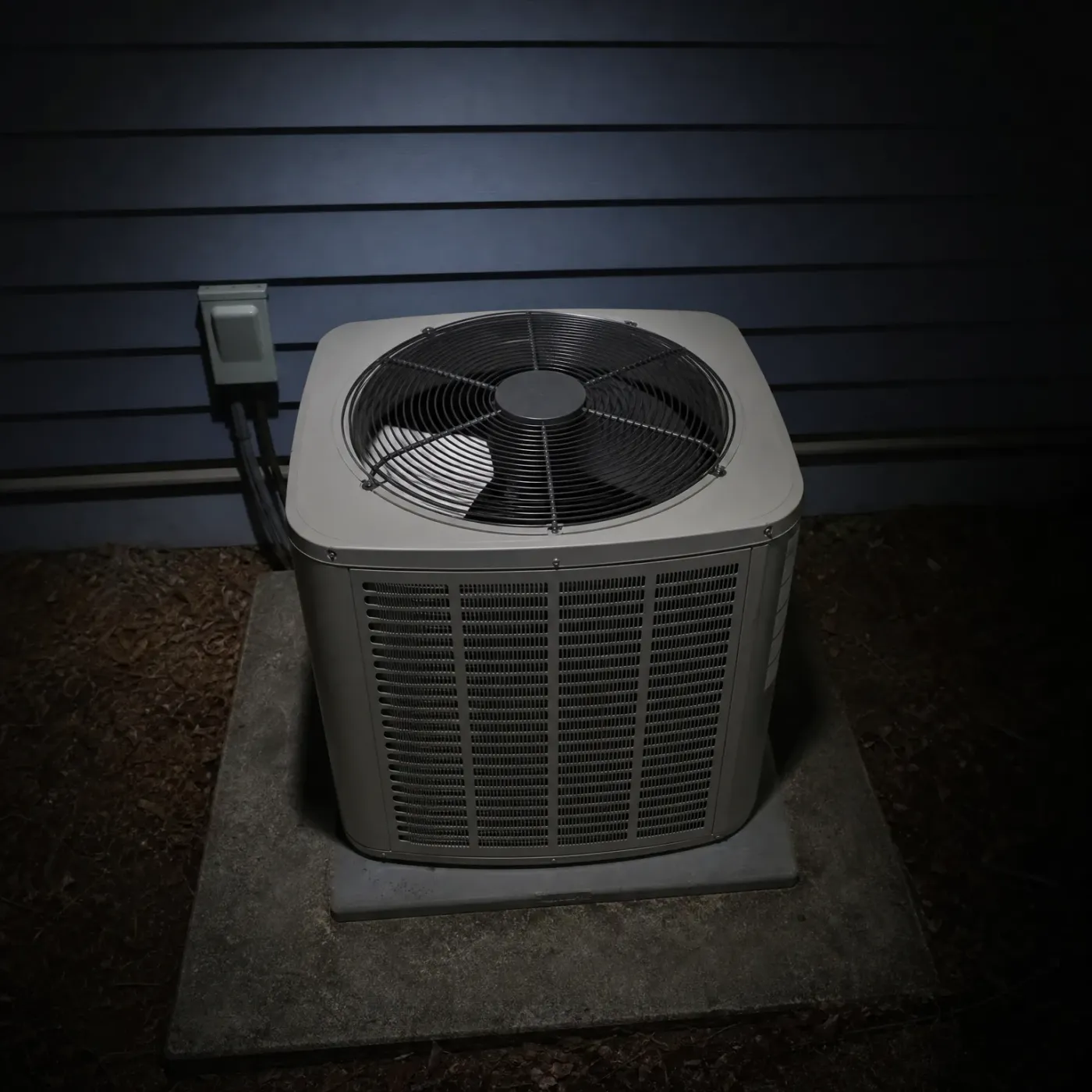
An outdoor air conditioning condenser unit with a top-mounted fan sits on a concrete pad beside a horizontal-siding wall, with an electrical disconnect box and refrigerant lines on the wall behind it, photographed in low light.

Heat pump

To heat your home here$1.69per 100,000 Btu

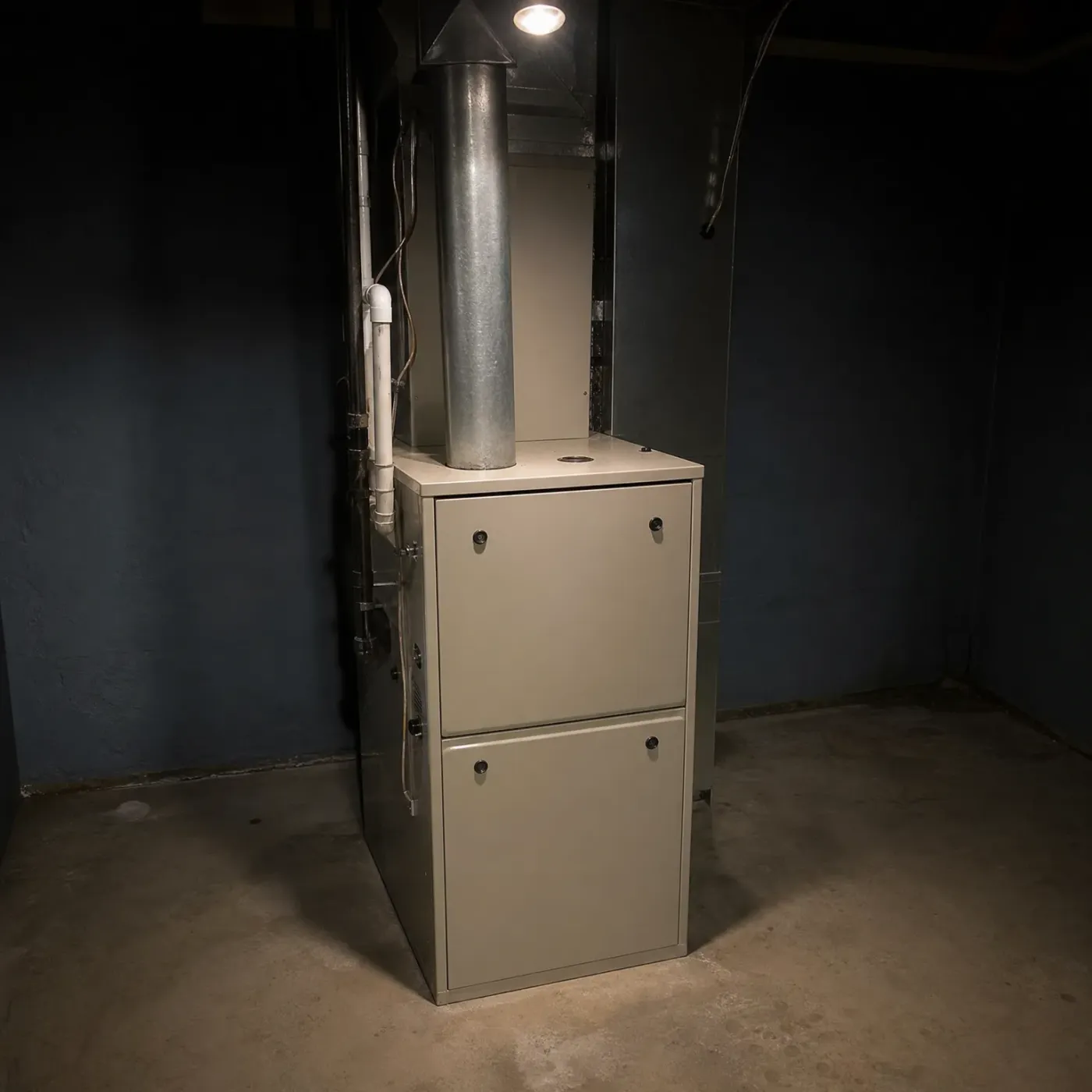
A beige two-panel furnace with a metal flue pipe stands in a dim basement with dark painted walls and a concrete floor.

Furnace

To heat your home here$0.97per 100,000 Btu

At Montana's gas and electricity prices, a gas furnace makes the same heat as a heat pump for at least 42% less.

Btu stands for British thermal unit, the standard measure of heat energy.

Where does a heat pump shine?

  • Heats and cools in one system

    One machine handles the heat in winter and the cooling in summer. There's no second system to buy or keep up.

    A living room with a grey three-seat sofa with navy and beige cushions and a dark throw, set before a large multi-pane window looking onto green trees, with a rustic wood coffee table holding plants, bowls and books on a woven rug, a grey panelled door at left and an exposed wooden beam above.
  • Steady, even comfort

    It eases up and down with the weather. There are fewer swings between too warm and too cool.

    A golden-haired dog sleeping on a patterned rug in front of a gray armchair with an open book and knit throw, beside a lit wood stove and a window showing snow outside.
  • No gas line, nothing burning in the house

    A heat pump runs on electricity alone. Nothing burns inside the house.

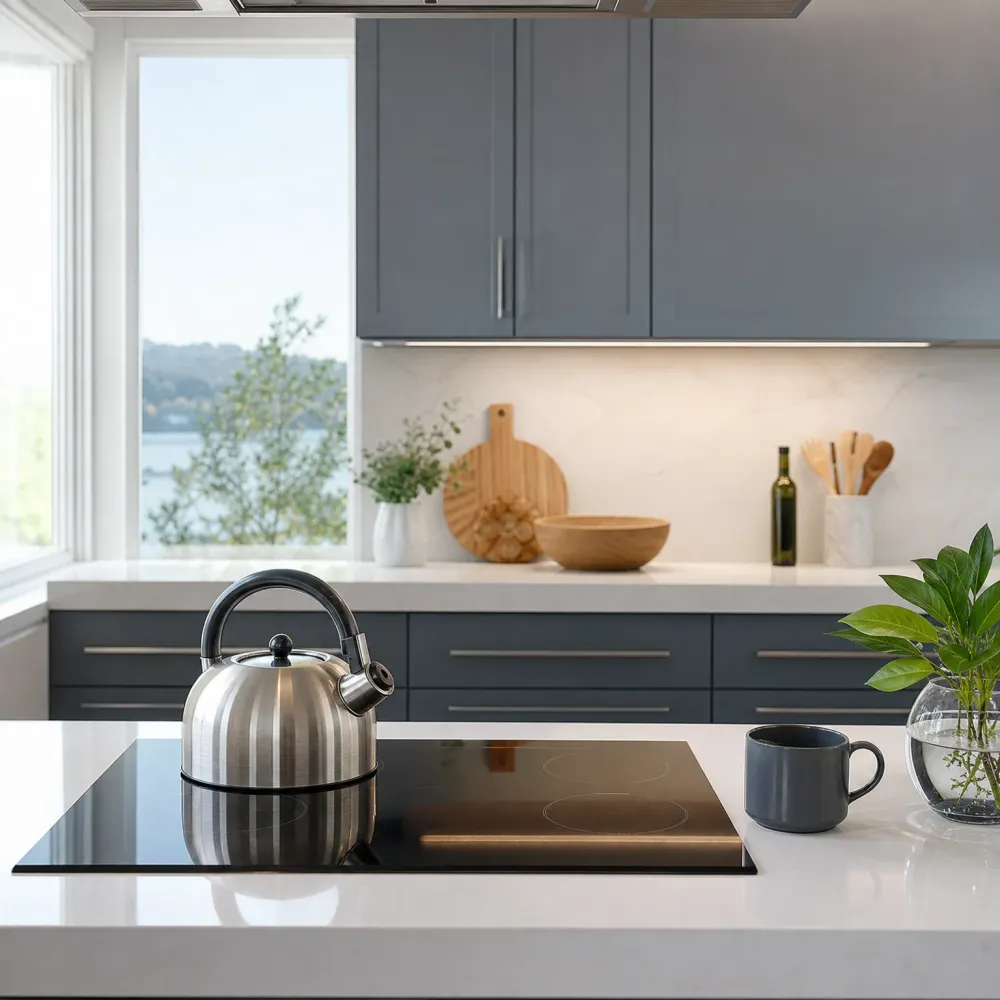
    A kitchen island with a white countertop holding a stainless steel whistling kettle on a black cooktop, a dark gray mug, and a glass vase with a green plant, with gray cabinets, a window showing water and trees, and wooden boards and bowls on the back counter.

Where does a furnace shine?

  • Strong, steady heat in hard cold

    Overnight lows in Sweet Grass County average 17°F through December, January and February. A furnace burns gas to make heat, so it keeps pushing out hot air at full strength no matter how cold it gets outside.

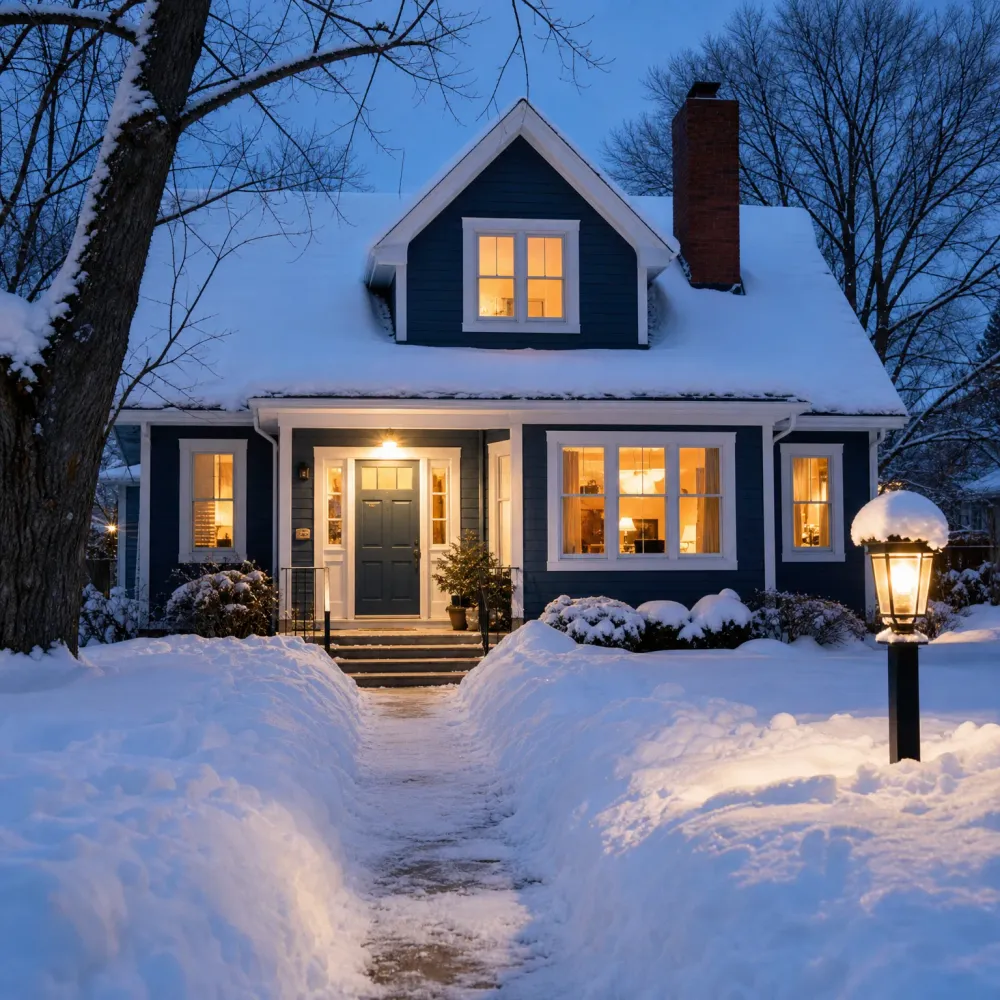
    A dark blue clapboard house with white trim, a brick chimney and lit windows at dusk, with deep snow covering the roof and yard and a shoveled path leading to the front steps past a glowing lamp post.
  • Fast, strong heat on demand

    A furnace pushes out hot air within minutes of switching on. A cold house warms up fast.

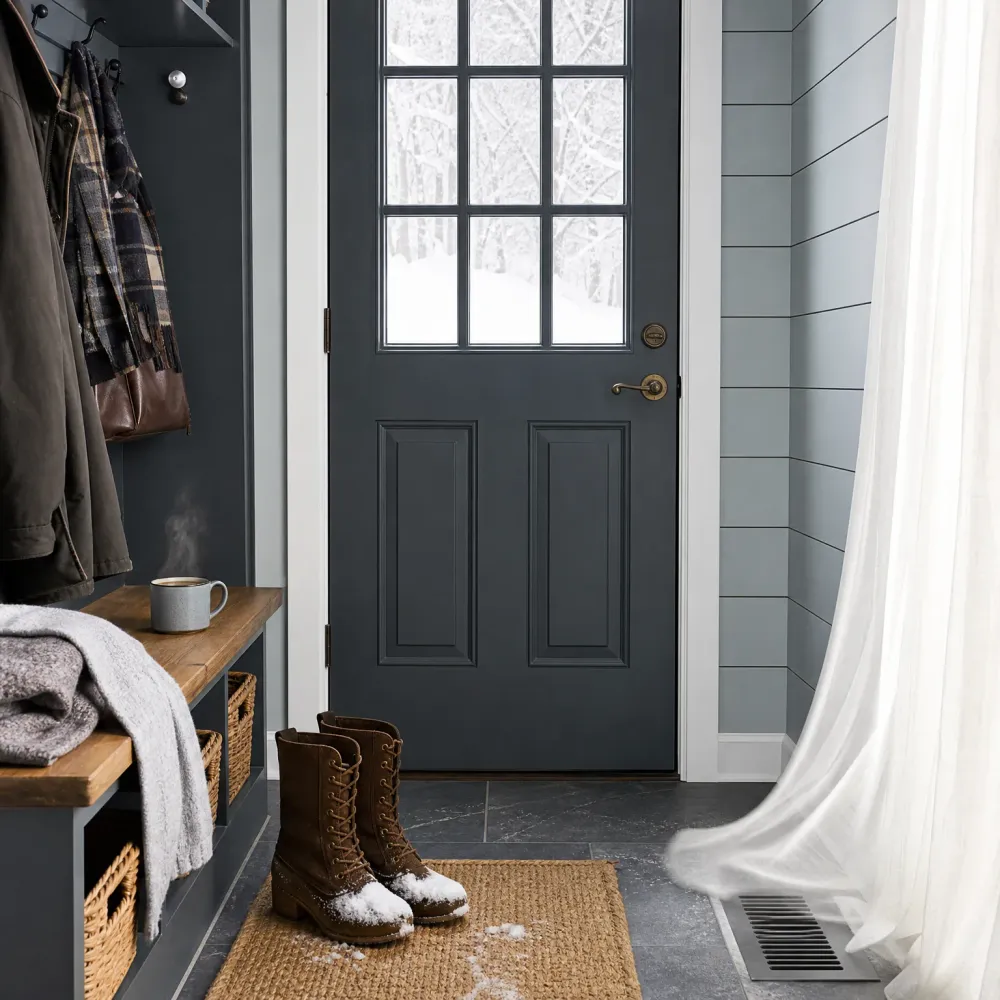
    A mudroom with a dark gray paneled door with a nine-pane window showing snow outside, a wood bench with woven baskets and hanging coats, a mug, snow-dusted brown boots on a jute mat, slate tile floor, a floor vent, and a sheer curtain.
  • Pairs with any central AC

    A furnace's blower and ducts carry cooled air too. Adding central AC uses the same system.

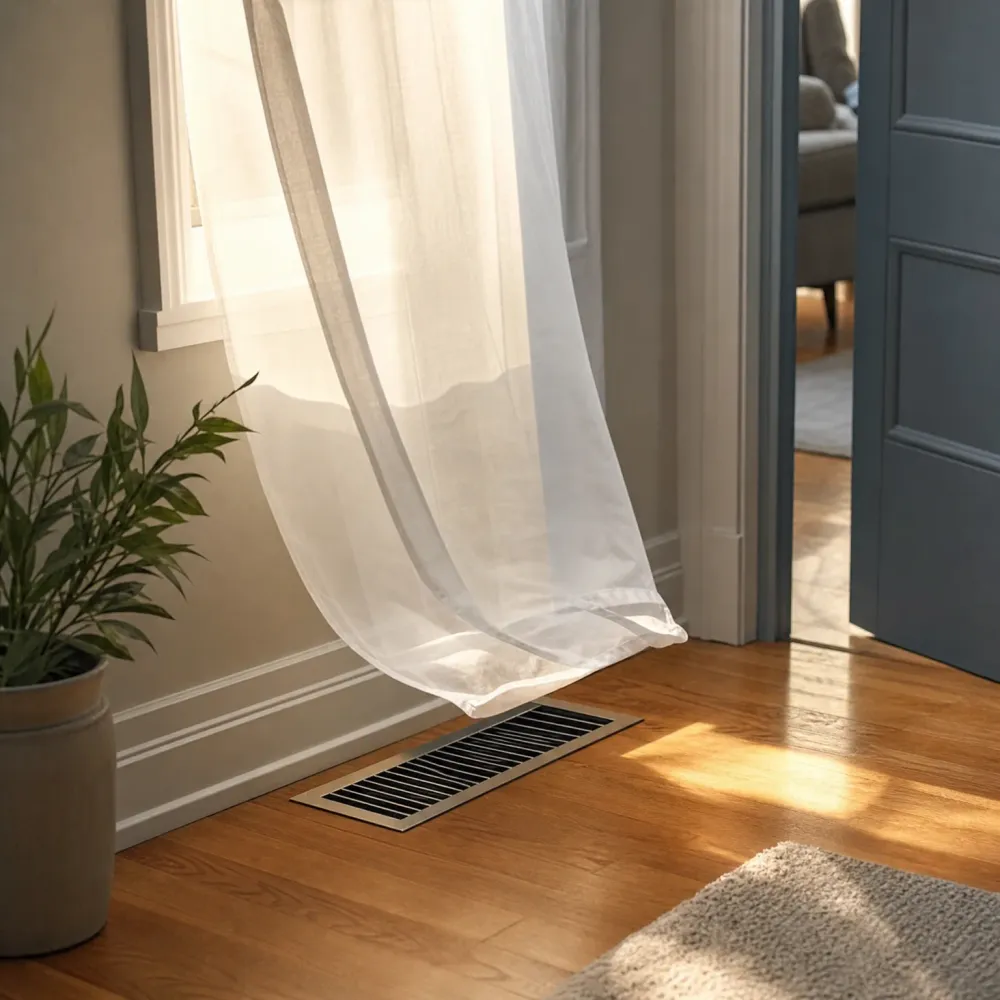
    A floor register vent set in a hardwood floor beside a white baseboard, with a sheer curtain hanging from a window above, a potted plant at left, an open dark blue door at right, and a textured rug in the lower right corner.

Winter here is the whole question

Heat runs ten months a year in Sweet Grass County, September through June, and the overnight low averages 17°F through December, January and February. That's the climate a heat pump has to work in, not just a few cold snaps. A standard heat pump's output falls short of its rating once it's below 40°F outside, and below about 35°F it usually needs backup heat to keep up. The average winter night here is 17°F. Every one of the roughly 160 nights a year that drop to freezing or below is colder than both of those marks.

That doesn't mean a heat pump can't heat your house. It means that on a normal winter night here, a standard one is running in its weak range, not its rated one, and leaning on backup heat to make up the difference. About 14 nights a year reach 0°F or colder, and that's where a standard heat pump struggles most. A furnace doesn't have that problem. It burns gas or propane and makes its full heat whether it's 30°F outside or 10 below.

There's a real exception to this. A heat pump built and certified for cold climates is a different machine. To earn the ENERGY STAR Cold Climate label, it has to keep making heat efficiently at 5°F and hold on to most of its 47°F capacity at that temperature, tested by someone other than the manufacturer. Field tests of prototype cold-climate heat pumps in occupied homes found backup heat carried only a small share of the load between 0°F and 35°F, and the system rarely ran on backup alone even above 0°F. If a heat pump is going into this county, that's the kind it should be. A standard model, the one priced and rated for an average American winter, is not built for a 17°F average low.
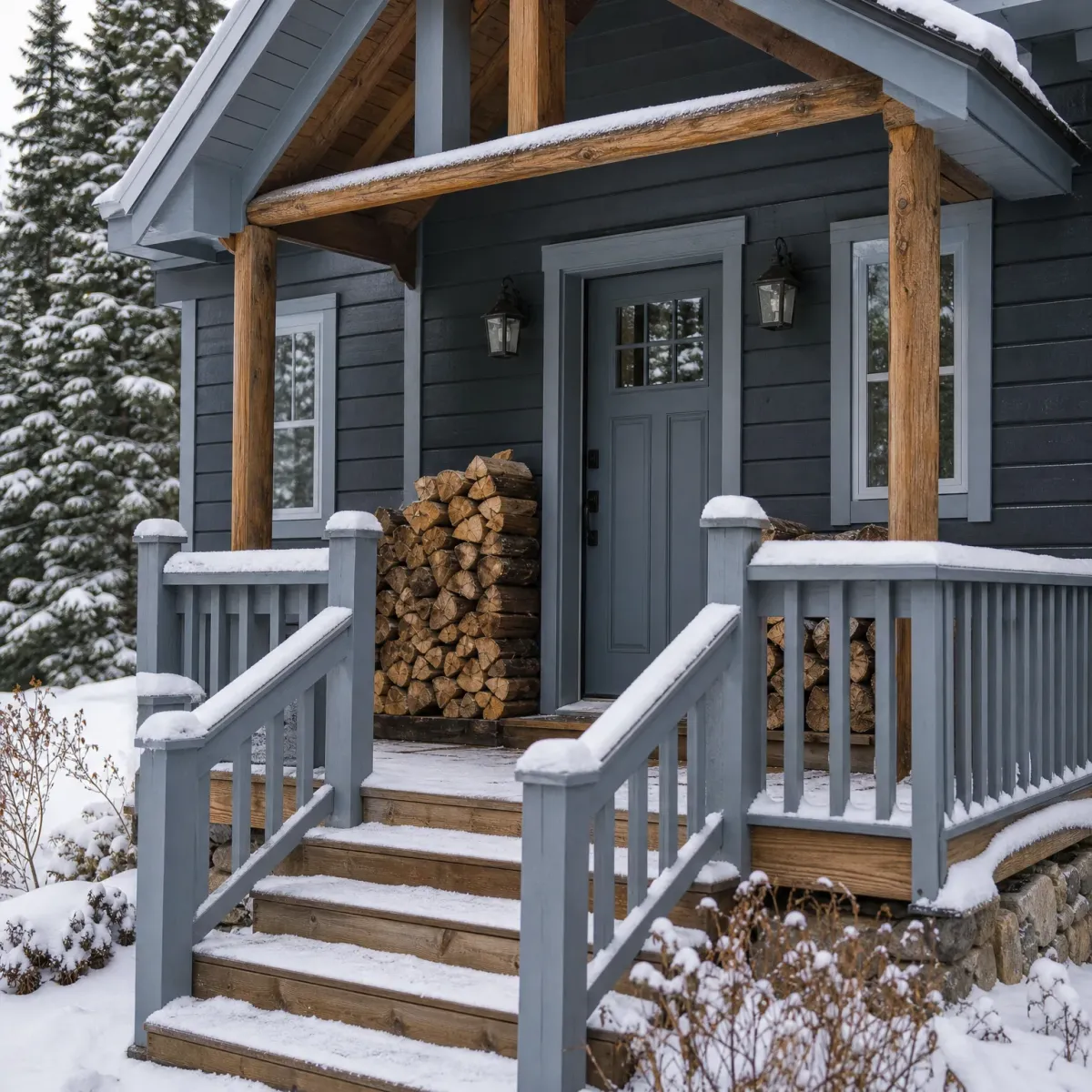
A dark gray house with a covered wooden porch, gray railings and steps dusted with snow, stacked firewood beside the front door, and snow-covered conifers in the background.

What it costs to run, and what to do with that

Montana's own fuel prices settle the running cost. A furnace here makes the same heat for $0.97 per 100,000 Btu against $1.69 for a standard heat pump, over 40 percent less, because natural gas runs far cheaper per Btu than electricity in this state. That gap holds for all ten months the heat is on. It doesn't account for a cold-climate heat pump's better output in real cold, but the fuel prices behind it don't change, so a heat pump still costs more to run here than a furnace does.

Cooling doesn't move the math. Sweet Grass County has no real cooling season, no month warm enough to call for air conditioning, so the heat pump's ability to cool the house in summer is not buying you much here. A furnace only heats. It has nothing to do the rest of the year, but there's barely a rest of the year that needs cooling to begin with.

What's already in the house or on the street often settles it before the weather does. Utility gas heats close to half the homes in this county, and propane heats about one in five more, so a gas line or a propane tank already serving a furnace is common here. If your house has one, running a furnace off it is the straightforward path. A heat pump makes more sense where there's no gas service to tie into, electricity is the only option already in place, or the plan is a cold-climate model bought specifically to handle a 17°F average winter. Check which one your house already has before pricing out the other.

Sources: NOAA nClimDiv · NOAA 1991–2020 seasonal normals · EIA SEDS 2024 · 10 CFR 430.32 · PNNL Building America guide · PNNL-37127 field study · ENERGY STAR product criteria · Census ACS 2020–2024

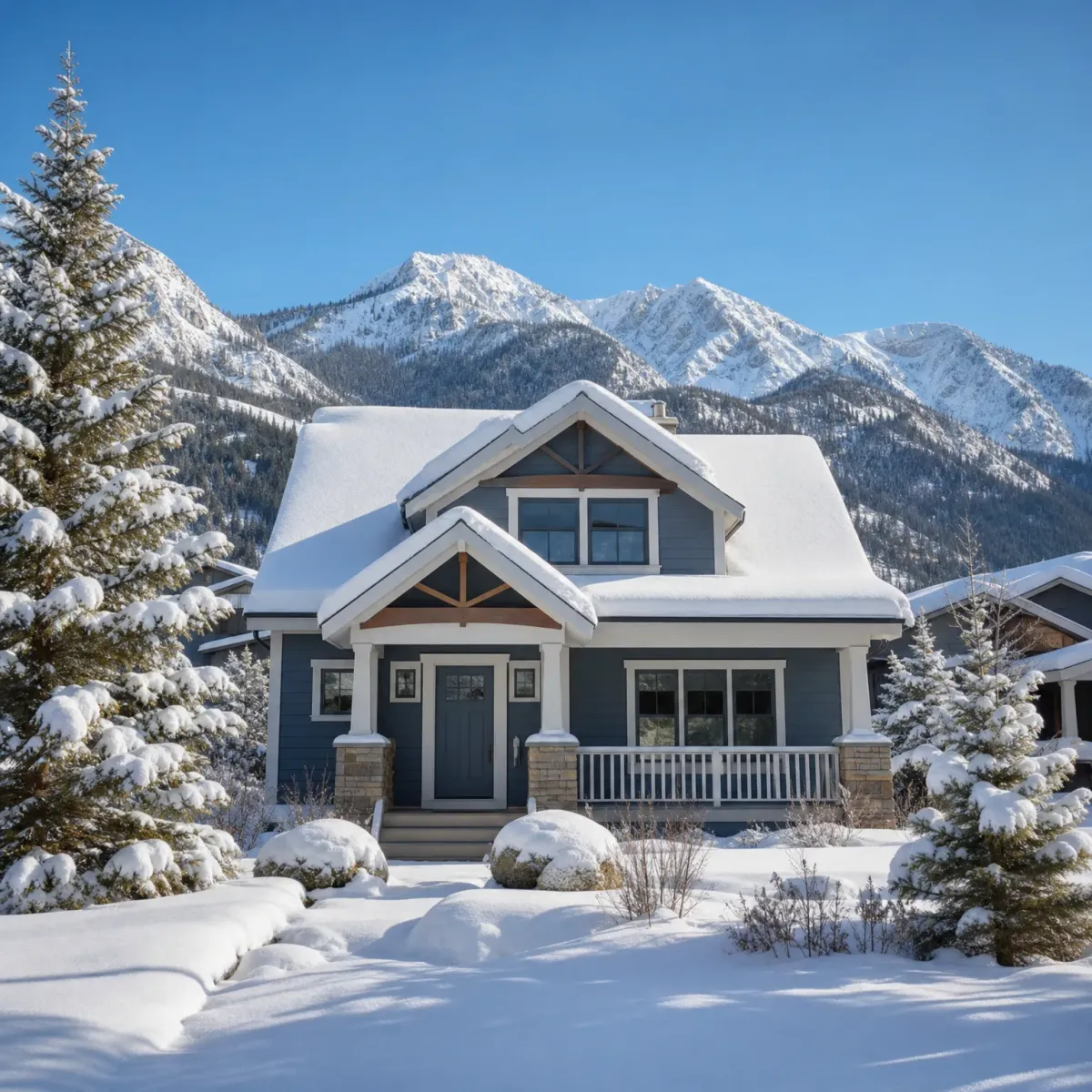
A blue-sided house with white trim, a covered porch and stone-clad columns, its roof covered in deep snow, flanked by snow-laden evergreen trees with snow-covered mountains and clear blue sky behind.

Common questions about heat pumps and furnaces

  • Can a heat pump heat a house through a Montana winter?

    A cold-climate heat pump can, but it's worth knowing what that takes. To earn the ENERGY STAR Cold Climate label, a heat pump has to keep making real heat at 5°F, at least 1.75 units of heat per unit of electricity, and hold onto 70 percent of its milder-weather capacity at that temperature. A standard heat pump isn't built for that and loses heat output well before it gets that cold.

  • Do I need backup heat with a heat pump here?

    Yes. A standard heat pump's output falls short of its rating below 40°F and it often needs backup heat below about 35°F, and the average overnight low here runs 17°F across December, January and February. On top of that, about 14 nights a year drop to 0°F or below, well past where a standard heat pump keeps up on its own.

  • Can I keep my furnace and add a heat pump?

    Yes, and in Sweet Grass County that pairing covers both ends of the job well. The heat pump carries the mild stretches of your ten-month heating season, and the furnace takes over once it drops toward freezing, which happens about 160 nights a year here. That split plays to what each machine does best: steady efficient heat when it's mild, strong fast heat when it's hard cold.

  • Is a heat pump cheaper to run than a furnace in Sweet Grass County?

    No, a furnace costs less to run here. A gas furnace makes the same heat for $0.97 per 100,000 Btu against $1.69 for a heat pump, both at Montana's average fuel prices and federal minimum efficiency. That gap comes from what gas costs against electricity in Montana, not from either machine running poorly.