Profile view of a bearded man wearing a dark baseball cap and a dark gray T-shirt against a plain off-white background.

Heat pump vs propane heat in Plentywood, MT

New system or replacementFurnace or heatingSheridan County, MT
Step 1 of 2

What ZIP code is the job in?

Should I switch to a heat pump or stick with propane heat?

Propane runs most of the furnaces around Plentywood, and the price of a tank fill-up has a way of making you wonder if there's a cheaper way to heat the house. Heat pumps keep coming up because power here is cheap, and that math seems like it should work. But winter in Sheridan County asks more of a heating system than most places, and that changes the answer.

Propane is still the right call for your main heat

A heat pump moves heat from the outside air, and once it's well below zero outside there isn't much heat left to move. Winters here get cold enough, often enough, that a heat pump alone would leave your house short of heat on the nights that matter most. Propane burns fuel to make heat directly, so it doesn't lose capacity when the temperature drops. That's why propane furnaces are what most homes around Plentywood are built around, and why switching off propane entirely isn't the fix a cheap electric rate might suggest. A heat pump can still make sense alongside a furnace, but on its own it won't carry a Sheridan County winter.

A gray high-efficiency furnace stands on a concrete basement floor beside galvanized sheet-metal ductwork, with white PVC vent pipes, gas and water lines, and unfinished wood framing behind it.

Propane furnace, working fine

That high-efficiency furnace with the white PVC pipes is doing its job even when it's thirty below outside. Propane burns hot enough to keep up with a Plentywood winter without help from anything else. The tank out back needs filling a few times a year, and that's the main cost to plan around.


A beige furnace with two louvered front panels stands on a concrete basement floor beside galvanized ductwork, metal pipes, and a wooden post.

Heat pump, struggling

A heat pump works fine down to a point, then the outdoor unit can't pull enough heat from air that cold to keep the house warm. Below zero, most need a furnace or electric backup to carry the load. Around Sheridan County that means winter is exactly when a heat pump needs help the most.

A woman in a long cream cardigan and jeans stands at an open wooden front door of a gray shingled house with stone-based porch columns, with a second person visible inside, and potted flowers and shrubs beside the entry.

What this means for your house this winter

If your propane furnace is doing the job, a cold snap at thirty below isn't the moment to second-guess it. A heat pump alone would be struggling to keep up right when you need it most, and most houses around Plentywood that go this route still keep the furnace as backup for those weeks. That changes the math on any switch, since you're not replacing one system, you're adding one.

Where it actually pays off is the shoulder months, when it isn't nearly cold enough to need the furnace running hard but you still want the house warm. A heat pump handles that range on electricity that's cheap here, and your propane tank stops emptying every time September turns cool. Whether that's worth the install depends on your ductwork, your panel, and what's already in the house, which is why it's worth having a local contractor who installs these in Sheridan County look at your setup specifically before you decide anything.

Interior corner with sheer white curtains at a window, a brown upholstered sofa in the foreground, and a wooden multi-drawer cabinet holding a round ceramic vase with leafy branches.
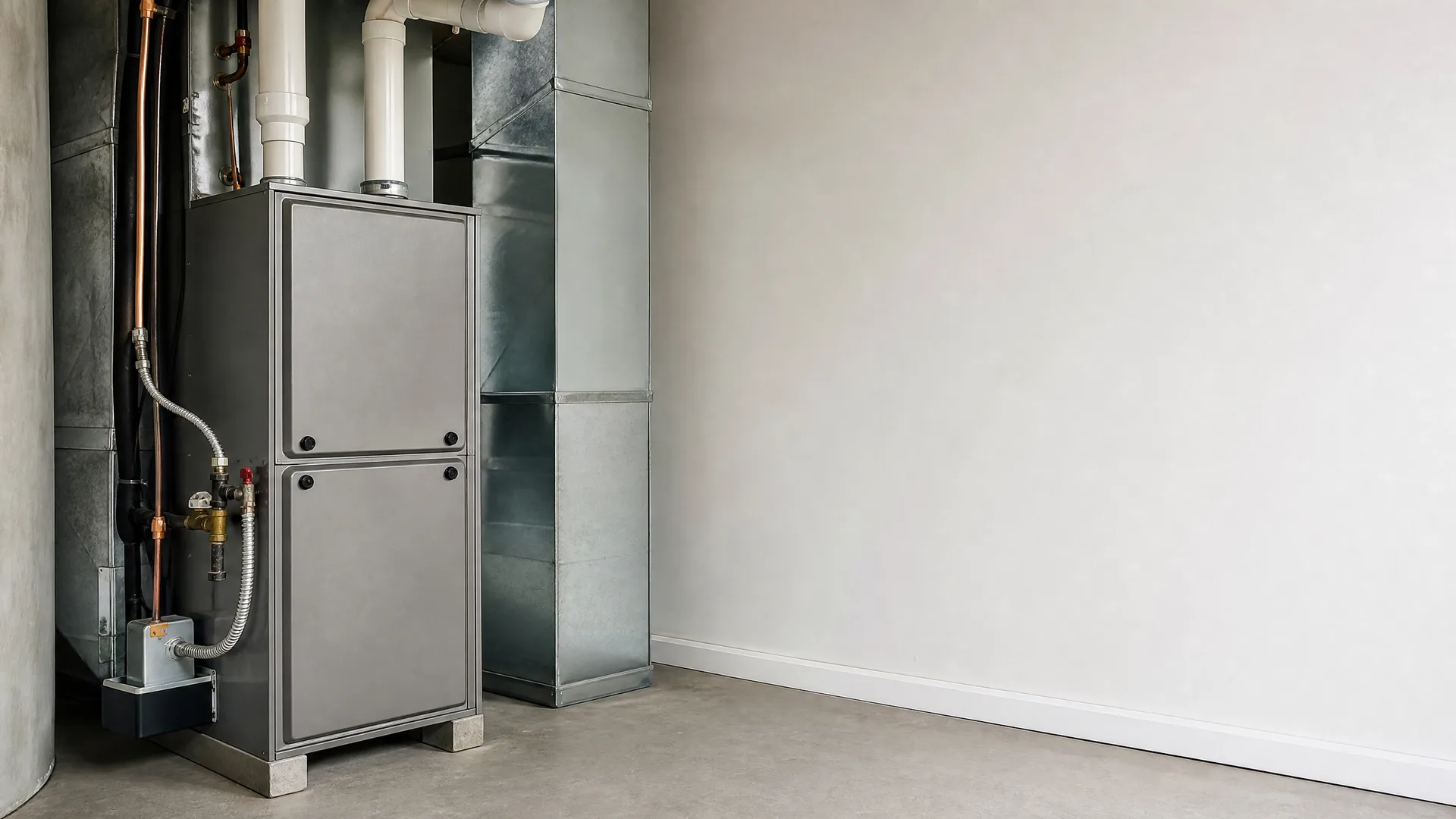
A gray high-efficiency furnace with white PVC vent pipes, copper and flexible piping, and galvanized sheet-metal ductwork stands against a wall in a room with a bare concrete floor and plain light-colored wall.

Why propane holds up at thirty below

Propane burns at a fixed heat output no matter how cold it gets outside. A furnace rated for your house will put out the same heat on a thirty below night as it does at twenty degrees. A heat pump works the other way. As the outside temperature drops, the unit has to work harder to pull heat from that air, and output falls off right when Sheridan County needs it most.

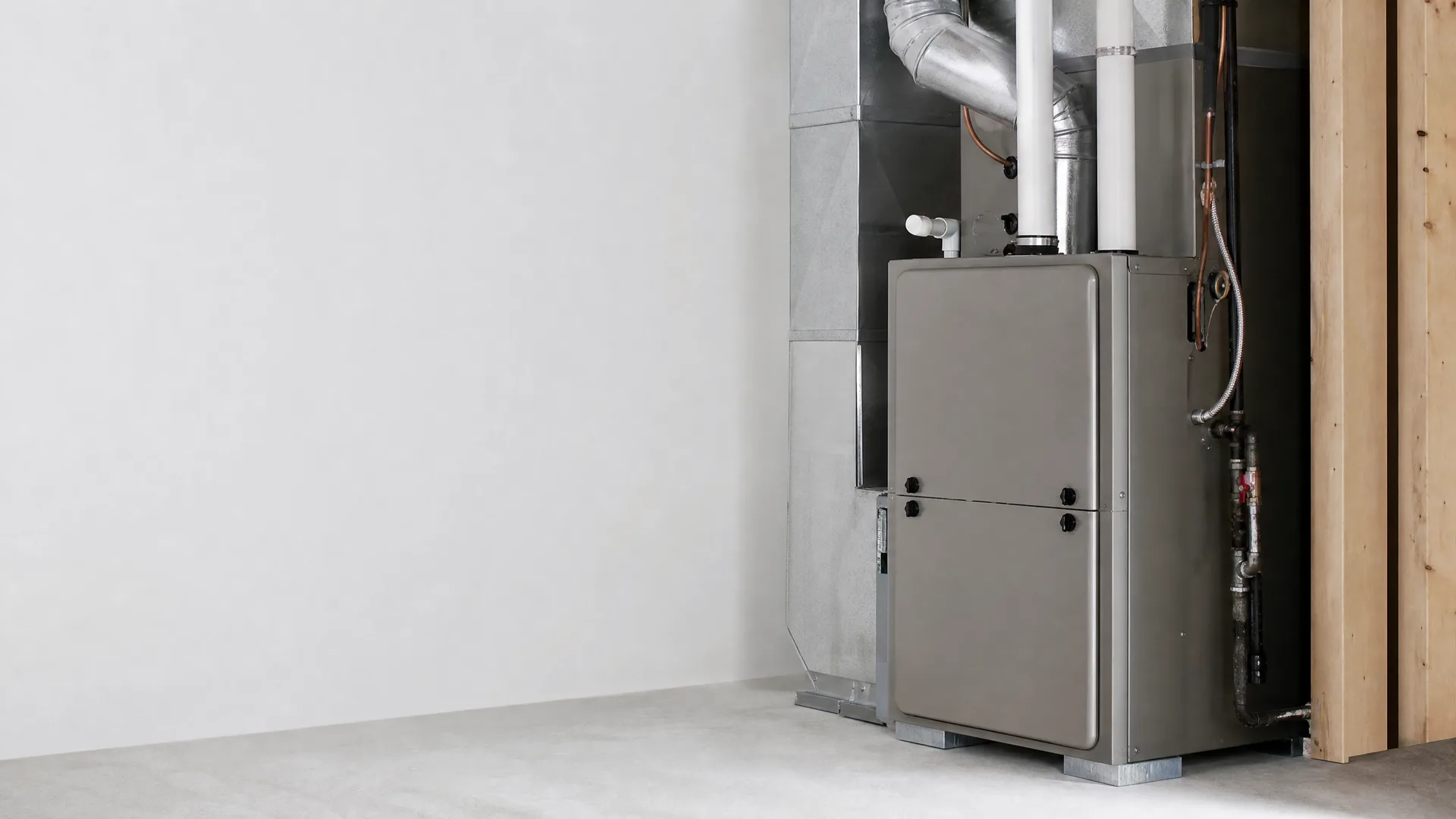
A gray residential furnace with attached sheet-metal ductwork, white PVC vent pipes and copper lines stands against a plain white wall on a concrete floor, beside exposed wooden framing.

Where a heat pump still earns its keep

A heat pump moves heat instead of burning fuel for it, so on milder days it can heat a house using less energy than a propane furnace. Some homes around Plentywood pair one with the furnace, running the heat pump through fall and spring and letting propane take over once temperatures drop hard. With power cheap here, that split can make sense if a contractor sets the switchover point right.

Winter nights average 4°F

A night that cold is normal here, not the exception. Your furnace has to hold the house against that every night for three months straight, which is exactly what propane heat is built to do without losing ground.

NOAA nClimDiv 1991-2020

How each system actually heats

  • A furnace burns propane and pushes the heat through a heat exchanger before the blower sends it into your ducts.
  • The igniter lights the burners first, and the inducer motor has to prove draft before gas even flows.
  • A heat pump moves heat from outside air into the house, which is why its output drops as the air outside gets colder.
  • Most heat pumps switch to electric resistance strips or a backup furnace once the outdoor temperature falls into the teens or lower.
  • A furnace's output stays the same whether it's zero outside or thirty below, since the flame doesn't know the difference.
  • Hybrid setups run the heat pump down to a set cutoff point, then hand off to the propane furnace for the rest of the night.

A propane furnace works in a set order. The inducer motor starts first and has to prove there's draft before any gas is allowed to flow. Once that's confirmed, the igniter lights the burners, and the heat exchanger takes that flame and transfers the heat into the air your blower pushes through the ducts. None of that changes with the weather. The burners put out the same heat at zero as they do at thirty below, because propane combustion doesn't care what the thermometer says outside.

A heat pump works on a different principle entirely. Instead of burning fuel, it pulls heat out of the outside air and moves it into the house. That works fine in mild weather, but the colder the air gets, the less heat there is to pull, so the unit's output drops right when you need more of it. Most heat pumps handle this by switching over to electric resistance strips, or in some setups a backup furnace, once the outdoor temperature drops into the teens or lower. That backup is doing real work on the coldest nights, not just topping things off.

Hybrid systems split the difference on purpose. The heat pump runs down to a set cutoff temperature, and once the air falls below that point, the system hands off to the propane furnace for the rest of the night. It's a built-in switch, not a judgment call made in the moment.

A beige residential furnace stands on a concrete basement floor beside galvanized sheet-metal ductwork, a round flue pipe, copper gas piping, and a PVC condensate line, with a wood-paneled wall at right.
Before you get your furnace installation
A gray high-efficiency furnace in a basement with white PVC vent pipes, sheet-metal ductwork, copper and black piping, a condensate pump, and insulated walls above a concrete floor.
After you get your furnace installation

A pro who works on furnaces

A furnace that's already struggling in a cold snap isn't going to get easier to live with as the parts inside it age. The igniter, the inducer motor, the heat exchanger, any one of those can fail on the coldest night of the year, and that's the night you can't wait on a fix. Sheridan County winters don't leave room for a furnace that's on its way out. If yours is older or you've had to call someone out more than once this season, replacing it now, on your schedule, beats replacing it in January when it's thirty below and the house is going cold. A licensed contractor working furnaces in this area knows what tends to go first in a Plentywood winter and what a replacement needs to handle it. Getting matched with one who already knows propane systems built for this cold means you're not explaining your situation from scratch. Start with the furnace that's giving you trouble.

Power here is cheap, but that doesn't flip the math. A heat pump still has to pull heat out of air that's thirty below, and it loses capacity fast once it gets that cold.

Propane doesn't care what the thermostat outside says. It burns the same whether it's twenty degrees or forty below, which is the only thing that matters on the coldest night of the year.

A middle-aged man with grey hair and a beard, wearing a grey knit sweater, sits on a light sofa in a sunlit living room with a houseplant, wooden cabinet and framed landscape picture behind him.
A man with greying hair and a beard in an olive sweater sits on a sofa in a living room, looking to his left, with an armchair, round side table and large glass doors onto trees behind him.
A gray-haired bearded man in a dark blue shirt over a white t-shirt sits on a leather sofa in a living room with built-in shelves, a floor lamp, an armchair and large windows, looking off to the side.
A man with gray-brown hair and stubble in a dark sweater sits on a light-colored sofa in a living room, looking off to the side, with a houseplant, framed picture, shelving and a sunlit window behind him.

What a hybrid setup looks like

Some homes around Plentywood run a heat pump alongside the propane furnace instead of picking one. The heat pump handles the milder stretches in fall and spring, and the furnace takes over once temperatures drop low enough that the heat pump can't keep up. A contractor sets the switchover point based on your house and your equipment, not a guess. It's a bigger install than either system alone, since you're putting in two pieces of equipment instead of one, and it only makes sense if the furnace you have is near the end of its life anyway or you're building new.

What to ask before you decide

Ask a local contractor what your furnace is rated for and how old it is, since that tells you more than any general rule about propane versus heat pumps. Ask what a heat pump would actually be rated for once it hits the kind of cold Sheridan County sees most winters, not the mild-climate number on the box. A contractor who services furnaces and heat pumps in this area year after year has seen which ones hold up through a real Montana winter and which ones leave homeowners calling in January. That's the kind of answer worth more than a sales pitch either way.

A woman with shoulder-length graying hair, wearing a light knit cardigan over a striped shirt, sits in an upholstered armchair and looks off to the side, with a bookshelf and houseplant behind her.
A woman with dark hair in a bun sits on a sofa with a child resting his head on her shoulder, both wrapped in a cream knit blanket, with a lit lamp and bookshelf in the dim background.

Propane: built for 30 below

Propane burns at the same heat output no matter how cold it gets outside, so a furnace sized right for your house keeps up on the hardest nights of a Plentywood winter.

Find a licensed furnace pro

Heat pump: loses ground in the cold

A heat pump pulls heat from outside air, and the colder that air gets, the less heat it can move. Cheap power here doesn't change what the unit can physically deliver at 30 below.

Find a licensed furnace pro

Why does propane still make sense around Plentywood?

  • Winter nights average 4°F

    Winter nights here average 4°F in December, January and February. A heat pump loses capacity the colder it gets, right when you need the most heat from it.

  • Heat runs September through June

    Heat runs about ten months a year in Sheridan County, September through June. Whatever you heat with here has to hold up for most of the year, not just a cold snap.

  • 61.4% of homes heat with propane

    61.4% of homes in Sheridan County heat with propane. That's most of your neighbors choosing a furnace built to keep its output steady at thirty below.

NOAA nClimDiv 1991-2020 · ACS 2020-2024

Propane is the right call for heating a home near Plentywood, and if your furnace is already doing that job, the smart move is keeping it running well rather than replacing it with something that loses power on the nights you need it most. When a furnace does need a new igniter, a new inducer motor, or a full replacement, the install matters as much as the equipment. A furnace sized wrong for your house, or put in by someone who doesn't deal with thirty below nights regularly, will leave you cold at the worst possible time. Getting matched here means one licensed contractor local to Sheridan County, someone who works on these furnaces every winter and knows which parts give out first in this kind of cold, reaching out to you directly. Not a handful of companies competing for your attention, just the one who knows what a Plentywood winter actually asks of a furnace.

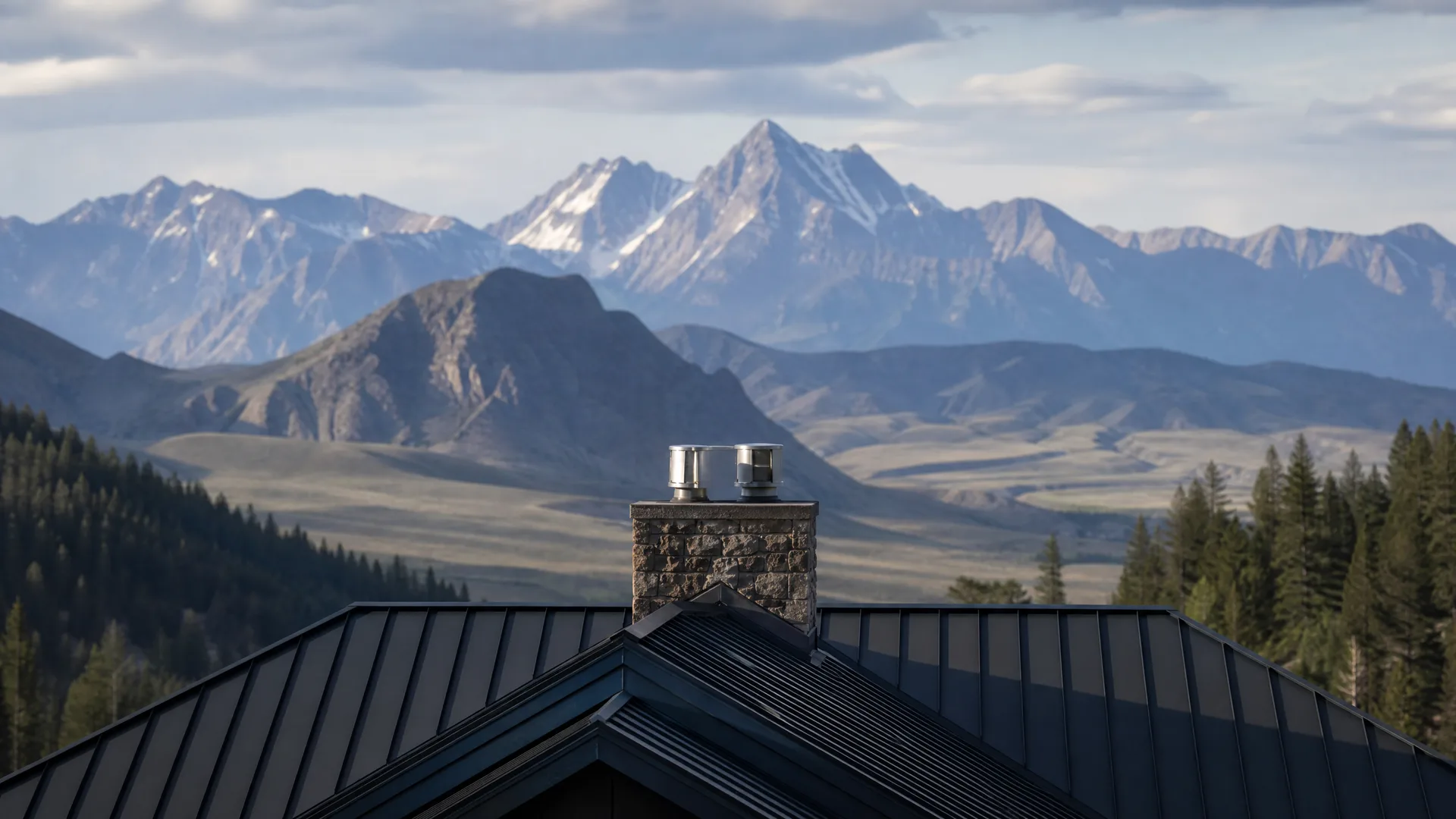
A dark standing-seam metal roof with a stone chimney topped by two metal flue caps, with conifer trees, grassy foothills and snow-streaked mountain peaks in the background.

Find a furnace installation pro in Sheridan County

Get one local pro

Asking costs nothing, and the choice to hire stays yours.

A furnace that quits on a January night won't wait for a convenient morning. Getting a new one in before that happens means you're picking the install date, not the weather. One local contractor who works on these all winter can size it right for your house and get it done before the next cold snap settles in.