


What winter here does to a heat pump
Winter is the long season here. Heat runs nine months, September through May, and the overnight low averages 15°F across December, January and February. That average is already below the two marks that matter for a heat pump. Below 40°F a standard heat pump puts out less heat than its rating says. Below about 35°F it usually needs backup heat to make up the difference. A 15°F average low is under both marks, not just brushing up against them.
This isn't a handful of cold nights you can plan around. About 170 nights a year here drop to freezing or below, more than half the nights the heat is running at all. And 18 of those nights a year reach 0°F, well past the point where a standard heat pump is doing most of the work. A field test of cold-climate heat pump prototypes found backup heat carried only a small part of the load between 0°F and 35°F, and the unit almost never ran on backup alone above 0°F. That's the newer, cold-climate design, tested and rated for weather like this. A standard heat pump, built to the federal minimum, is the one losing capacity below 40°F and leaning on backup below 35°F, which here is most of the heating season, not the exceptions to it.
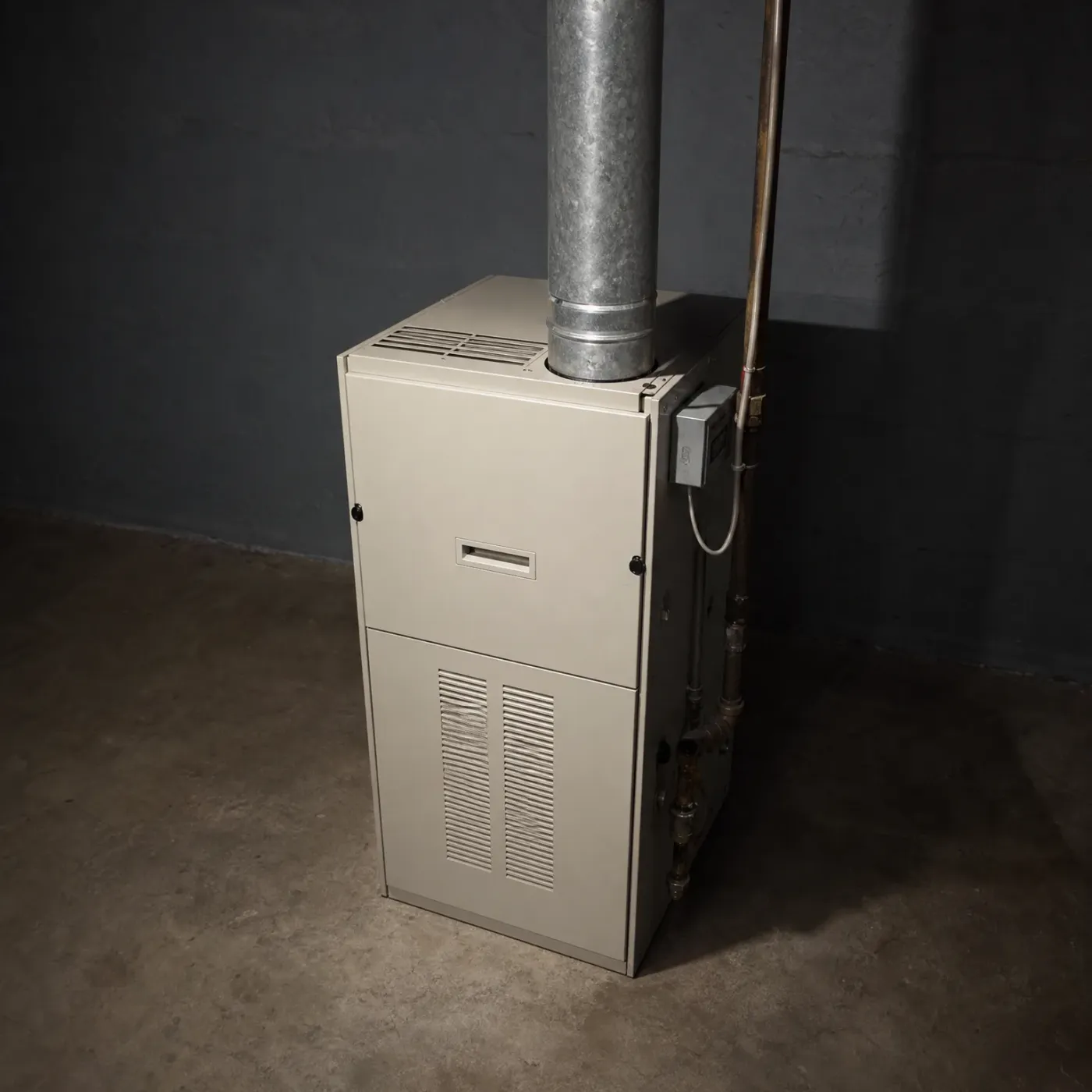
A furnace doesn't have that problem. It burns gas to make heat, so an overnight low of 15°F or 0°F asks nothing different of it than 35°F does. If your home gets a cold-climate heat pump, ask whether it carries the ENERGY STAR Cold Climate rating, which requires it to hold at least 70 percent of its 47°F capacity at 5°F. That's the spec that tells you whether it's built for nights like the ones this county actually has.