
Heat pump vs gas heat in Missoula, MT

Get in touch with a local installer about a new furnace.

Find a furnace pro

Should I switch to a heat pump or stick with gas heat in Missoula?

Winters in Missoula push a furnace hard, and most houses in the county already run on gas. A heat pump sounds like the modern choice, and the upfront cost or the payback math isn't what you're trying to figure out yet. You just want to know which one actually keeps a house warm when it's well below freezing outside, and whether swapping out gas heat makes sense here before you call anyone.

Stick with gas heat for the deep cold, but a heat pump can still earn its keep

Gas furnaces hold their output no matter how cold it gets outside, which matters in Missoula winters that sit well below freezing for weeks at a time. A heat pump pulls heat from outside air, and the colder that air gets, the less heat there is to pull. Older heat pumps lean on backup electric heat once temperatures drop hard, and that backup heat runs up a power bill fast even with Missoula's cheap electricity. Newer cold-climate heat pumps hold up much better in that range, but most homeowners here still pair one with a gas furnace rather than replace it outright, letting the furnace carry the coldest stretches while the heat pump handles the milder months and cuts gas use the rest of the year.

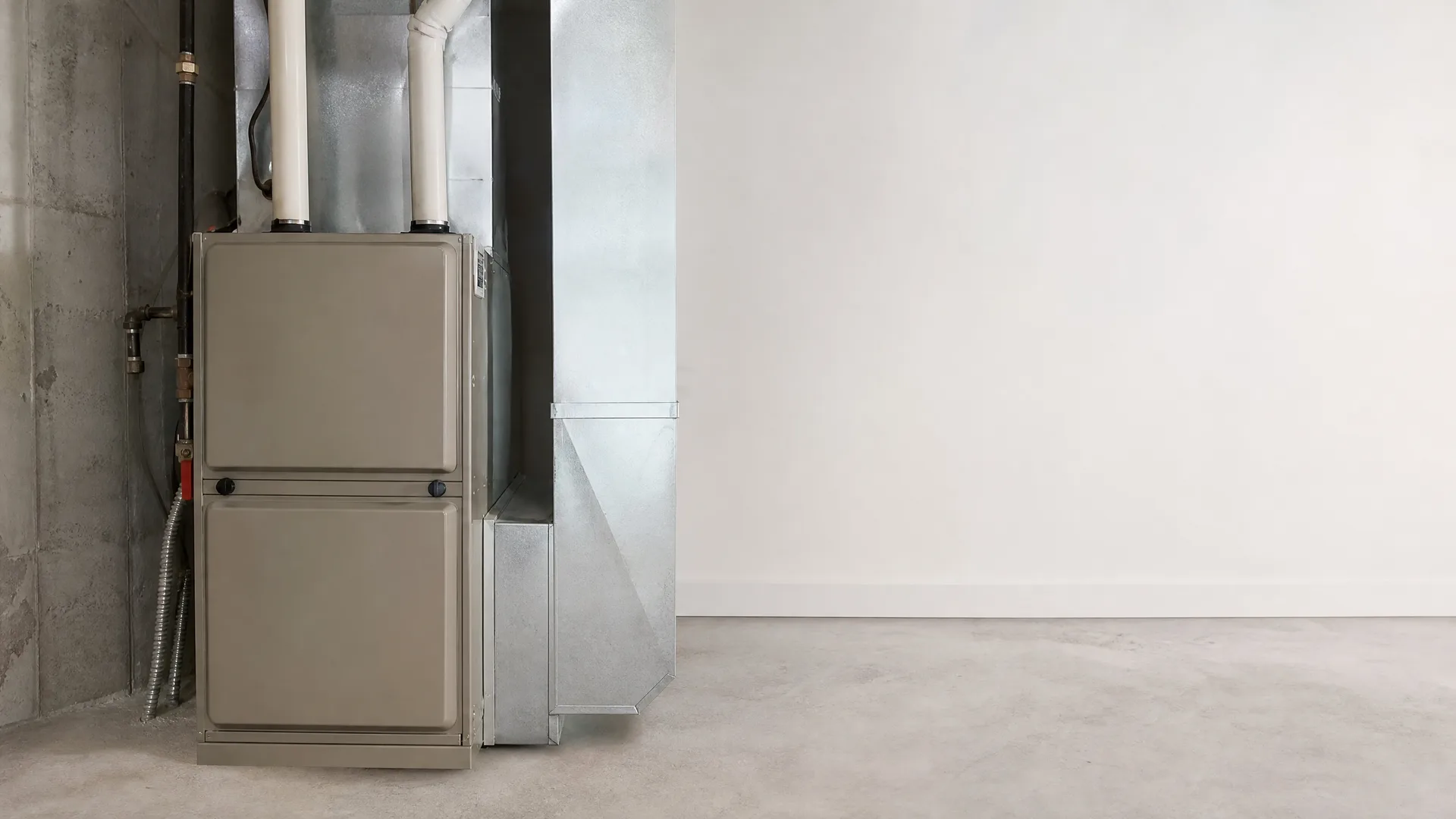
A beige high-efficiency furnace with two white PVC pipes stands beside sheet-metal ductwork and a concrete wall in an empty basement with a bare light-colored wall and concrete floor.

What cold does to a heat pump

A heat pump moves heat from the outside air into your house. That works fine down into the 30s and still helps in the 20s. Once temperatures drop into the single digits or below, which Missoula sees most winters, the unit has less and less heat to pull from outside. Most cold-climate heat pumps pair with a furnace or electric backup for those stretches, so the heat pump carries the mild days and the backup takes over when it gets hard.

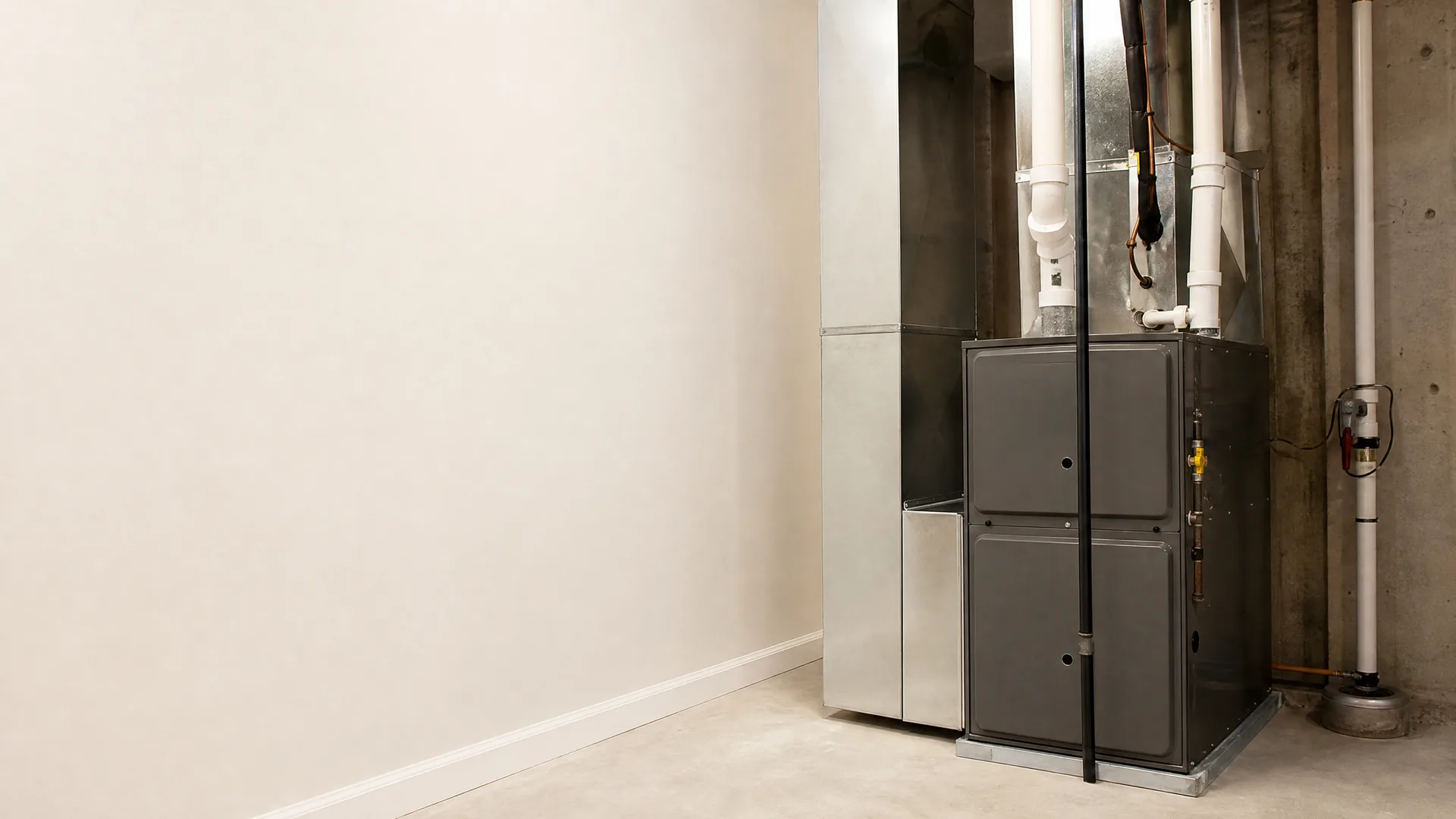
A gray furnace with sheet-metal ductwork and white PVC vent pipes stands in the corner of a finished basement room with a blank beige wall and concrete floor.

What a gas furnace does instead

A gas furnace burns fuel to make heat directly, so the outdoor temperature doesn't change how hard it has to work. It puts out the same heat at zero degrees as it does at thirty. That's why most houses in Missoula County are already set up this way. The furnace sizes to the coldest nights of the year, and gas lines and venting are already in place in most homes here, which is part of why switching isn't as simple as swapping one box for another.

Gas Furnace vs Heat Pump

Gas Furnace

  • A furnace burns gas to make heat, so it doesn't lose capacity as the temperature outside drops, unlike a heat pump working against single digits or below.
  • Gas is cheap in Missoula County, and most homes already have the gas line and ductwork a furnace needs, so there's no new fuel hookup to plan for.
  • A furnace that came with the house keeps running on the same fuel and the same vents; nothing about the setup changes.
  • Parts like the igniter, the flame sensor or the inducer motor wear out over years of hard winters and are what a technician checks first when a furnace won't fire.
  • A furnace does one thing: it heats. Cooling the house in the hot, dry summers still means a separate air conditioner.

Heat Pump

  • A heat pump runs on electricity, and power is cheap in Missoula County, so operating it doesn't lean on gas prices at all.
  • One unit both heats and cools, which matters here since Missoula summers are hot and dry enough that most houses want some form of air conditioning anyway.
  • Down into the 30s, and still some into the 20s, a heat pump pulls enough heat from outside air to keep a house warm without added help.
  • Once outdoor temperatures fall into the single digits or below, which Missoula sees most winters, a heat pump needs backup heat to keep up.
  • Replacing a furnace with a heat pump means new equipment sized for the house, not a swap of one box for another in the same spot.
A beige high-efficiency furnace with white PVC vent pipes stands beside galvanized sheet-metal ductwork in a basement with a concrete floor, exposed wood studs, and metal piping along the wall.

Gas heat, running as it should

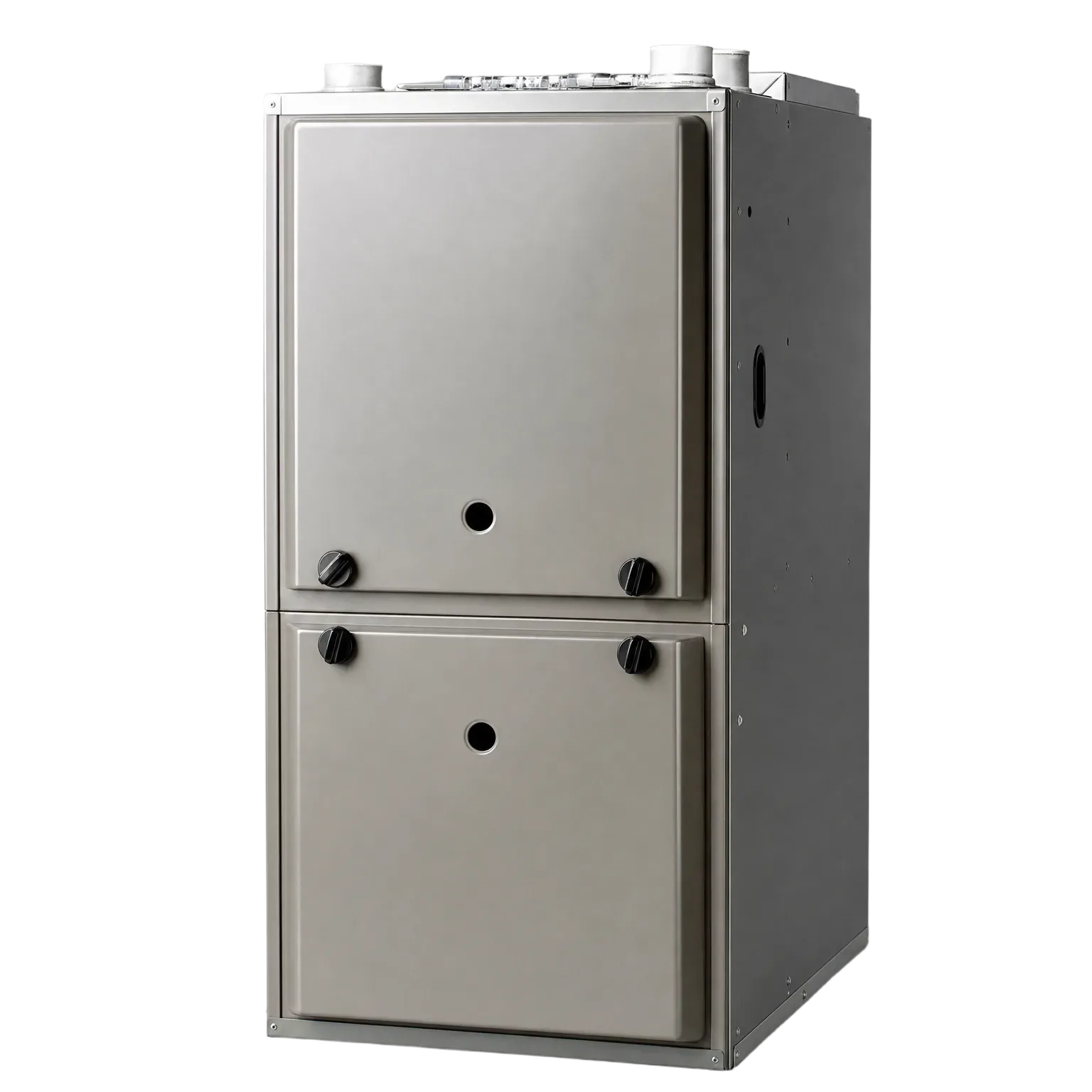
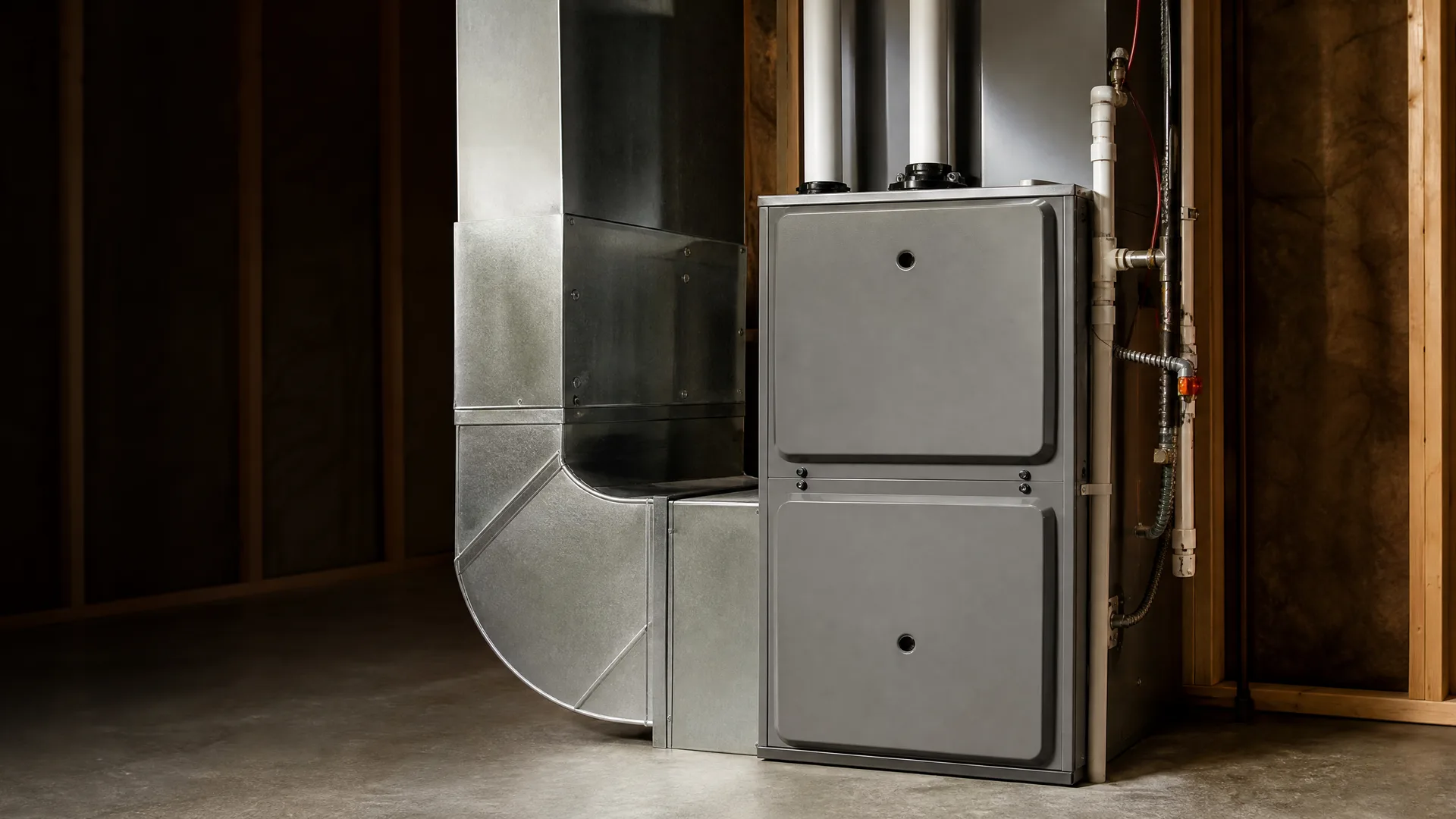
This is what a gas furnace looks like doing its job: a sealed cabinet, PVC pipes for intake and exhaust, ductwork carrying the heat out to the house. It fires when the thermostat calls and puts out the same heat whether it's 30 degrees outside or 15 below.


An older beige furnace with a louvered vent panel stands on a concrete basement floor beside galvanized sheet-metal ductwork, a metal flue pipe and vertical pipes along a concrete wall.

An older furnace nearing the end

The flue pipe and cabinet style on this one point to an older install. Older furnaces still heat fine, but they run less efficiently than a new one, and the parts inside wear with every winter. If yours looks like this, a straight swap to a new furnace is worth pricing alongside a heat pump.

Why is your furnace running nonstop and the house still cold?

If your furnace is cycling on for long stretches and some rooms still feel cold, that's worth paying attention to before you decide between gas and a heat pump. Listen for a burner that won't shut off, a thermostat set at 70 that reads more like 66 in the back bedrooms, or a gas bill that's climbed faster than the weather explains. Short-cycling, where the furnace fires, stops, then fires again within a few minutes, usually points to a clogged filter or a failing part rather than the fuel source itself. Left alone through a Missoula winter, a furnace working that hard can crack a heat exchanger or wear out its igniter early, and that's a repair bill on top of whatever you were already paying to stay warm.

A gray high-efficiency furnace with two PVC vent pipes stands in an unfinished basement beside sheet-metal ductwork, a framed and plastic-covered wall, and a bare concrete wall with vertical pipes.

Furnace, properly installed

This is a furnace doing its job. The flue pipes run clean to the outside, the gas line feeds in steady, and the ductwork overhead carries the heat out to the house. Nothing about the setup looks temporary. It sits on the floor, wired and vented the way a furnace is supposed to be, ready for a Missoula winter.

A gray furnace cabinet in a basement, connected to galvanized sheet-metal ductwork and white PVC pipes, against a concrete wall with exposed metal piping and insulation overhead.

Furnace, set up wrong

This furnace sits up on a wooden pallet instead of the floor, which usually means someone was worried about water reaching it. The block walls and exposed joists point to a basement that hasn't been finished or sealed up. A furnace can run fine like this, but the setup around it is worth a second look.

An older man with gray hair and a beard, wearing a dark coat dusted with snow, stands smiling in a doorway of a warmly lit home with a sofa, lamp and window visible behind him.
An older man with grey hair and a beard, wearing a dark coat dusted with snow, stands in a dimly lit entryway with a ceiling lamp, a side table with two shaded lamps, and a lit fireplace visible in a room beyond.
A bearded older man in a dark snow-dusted coat and scarf stands just inside a home's front door, with a lamp-lit room and snowy window visible behind him.
An older man with gray hair and a beard stands in a doorway of a home, wearing a dark coat dusted with snow, with a lit fireplace and lamp visible in the blurred room behind him.

Get the right pro for your furnace

Send the form and stop researching installers for the new furnace.

No charge to send it. You decide if you hire them.

How a dual fuel system switches over

  • A furnace lights the burner, heats a metal heat exchanger, then pushes air across it with the blower into your ducts.
  • A dual fuel setup swaps in a heat pump for most of the season and only brings the furnace on once it's too cold for the heat pump to keep up.
  • The switch between the two runs off an outdoor thermostat or sensor, so you aren't the one deciding when the furnace kicks in.
  • Gas burns at a fixed heat output, which is why a furnace puts out the same warmth at 20 degrees as it does at zero.
  • A heat pump paired with a furnace still needs the same ductwork, so the install is really about adding equipment, not rebuilding what's already there.
  • Setting the switchover point too low asks the heat pump to work past where it's efficient, and setting it too high means the furnace barely runs at all.

A furnace works by lighting a burner, heating a metal heat exchanger, and pushing air across it into your ducts with the blower. That part doesn't change if you add a heat pump. What changes is which piece of equipment answers when the thermostat calls for heat. In a dual fuel setup, the heat pump handles most of the season, pulling heat from the outside air the same way it would on its own. An outdoor sensor tracks the temperature and hands the job to the furnace once it drops past the point where the heat pump can keep up. You're not standing at a thermostat deciding which system should run. The sensor does that, and it does it the same way every time.

Where that switchover point gets set matters more than it sounds like it should. Set it too low, and the heat pump keeps running into weather where it's straining rather than working efficiently. Set it too high, and the furnace ends up carrying nearly the whole winter while the heat pump sits idle, which defeats the reason to install one. A contractor sets this during install based on your house and your equipment, not a number that works the same for everyone in the county.

Because the furnace still needs its flue and gas line, and the heat pump still needs the ductwork already running through your house, adding one to the other isn't a rebuild. It's new equipment tied into what's already there.

How cold does Missoula get, and how long does heat have to run?

  • Winter nights average 17°F

    Winter nights here average 17°F across December, January and February. A heat pump is already losing capacity well before the air gets that cold.

  • Heat runs September through June

    Heat runs about ten months a year in Missoula County, September through June. Whatever you install is working most of the year, not just a few winter weeks.

  • 52.5% of homes heat with gas

    52.5% of homes in Missoula County already heat with gas. The gas line and ductwork a furnace needs are already in place in most houses here.

NOAA nClimDiv 1991-2020 · ACS 2020-2024

Staying with the furnace you have

Your furnace already matches Missoula winters. It puts out the same heat at 17 degrees as it does at 35, and it's sized for nights that sit well below freezing for weeks at a time. Gas is cheap here, so running it October through April doesn't hit the bill the way electric heat would somewhere colder for cheap power. Most homes in the county are already piped and ducted for gas, so sticking with a furnace usually means working with what's there instead of adding equipment. If the furnace is old or undersized, a new one still outperforms a heat pump once temperatures drop into the single digits.

Adding a heat pump to the mix

A heat pump can't replace your furnace here, but it can take over some of the load. Down into the 30s and even the 20s, it heats the house efficiently and costs less to run than a furnace burning gas. Pair it with the furnace in a dual fuel setup and the heat pump handles the milder stretches of fall and spring while the furnace takes over once it's too cold for the heat pump to keep up. The furnace stays as backup for the hardest nights, so you're not asking the heat pump to do a job it can't finish in a Missoula winter.

Winter nights average 17°F

Seventeen degrees is the average, not the worst night you'll get. A furnace has to be sized for that and for the nights well under it, and keep putting out full heat the whole time without losing capacity the way a heat pump would.

NOAA nClimDiv 1991-2020

Gas heat holds up in Missoula winters, and that's the straight answer: a furnace keeps putting out the same heat at 17 degrees as it does at 35, and most houses here already have the gas line and ductwork to run one. A heat pump loses ground exactly when you need it most, down in the single digits, for stretches that last weeks some winters. None of that means your furnace will run forever without a problem. If it's cycling too long, parts of the house won't heat, or the unit is old enough to question, that's worth having someone look at before the cold sets in hard. Send the details through and the work of finding a contractor who knows gas furnaces and Missoula winters is off your plate. You'll hear from someone who can look at your setup and tell you what it needs.

A gray high-efficiency furnace with two white PVC vent pipes stands in an unfinished basement beside galvanized sheet-metal ductwork, with insulated wood-framed walls and piping behind it.

A pro who works on furnaces

New system or replacementFurnace or heatingMissoula County, MT
Step 1 of 2

What ZIP code is the job in?