
Heat pump vs furnace in Deer Lodge County, Montana

Get My Quote

Heat pump or furnace, one form

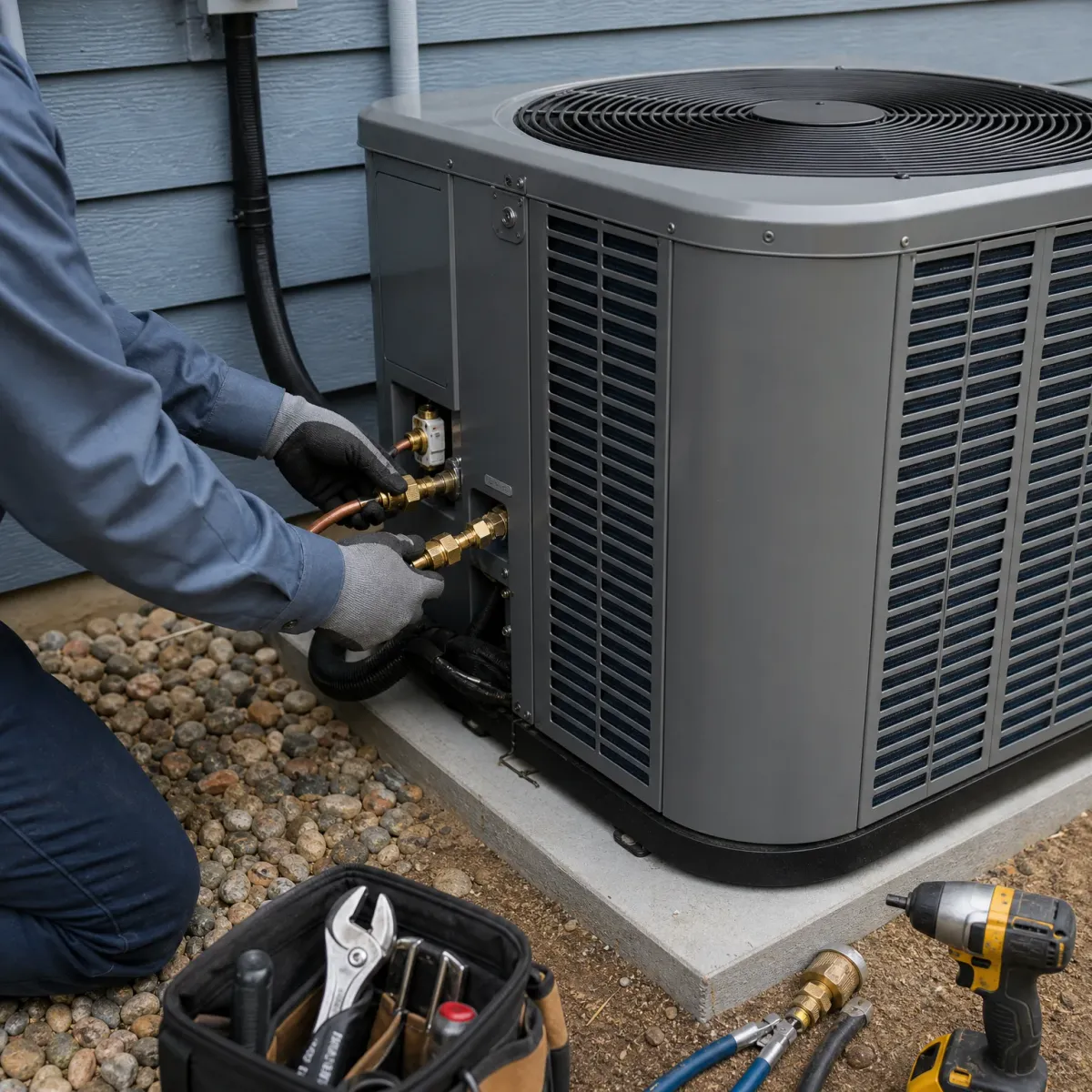
A kneeling person in a blue shirt and gray work gloves connects copper refrigerant lines with brass fittings to an outdoor air conditioning condenser unit on a concrete pad, with a tool bag holding pliers and a cordless impact driver in the foreground.

Tell us about the job

Takes about a minute. No obligation.

New system or replacementDeer Lodge County, MT
Step 1 of 3

What kind of equipment?

Which costs less to run in Deer Lodge County?

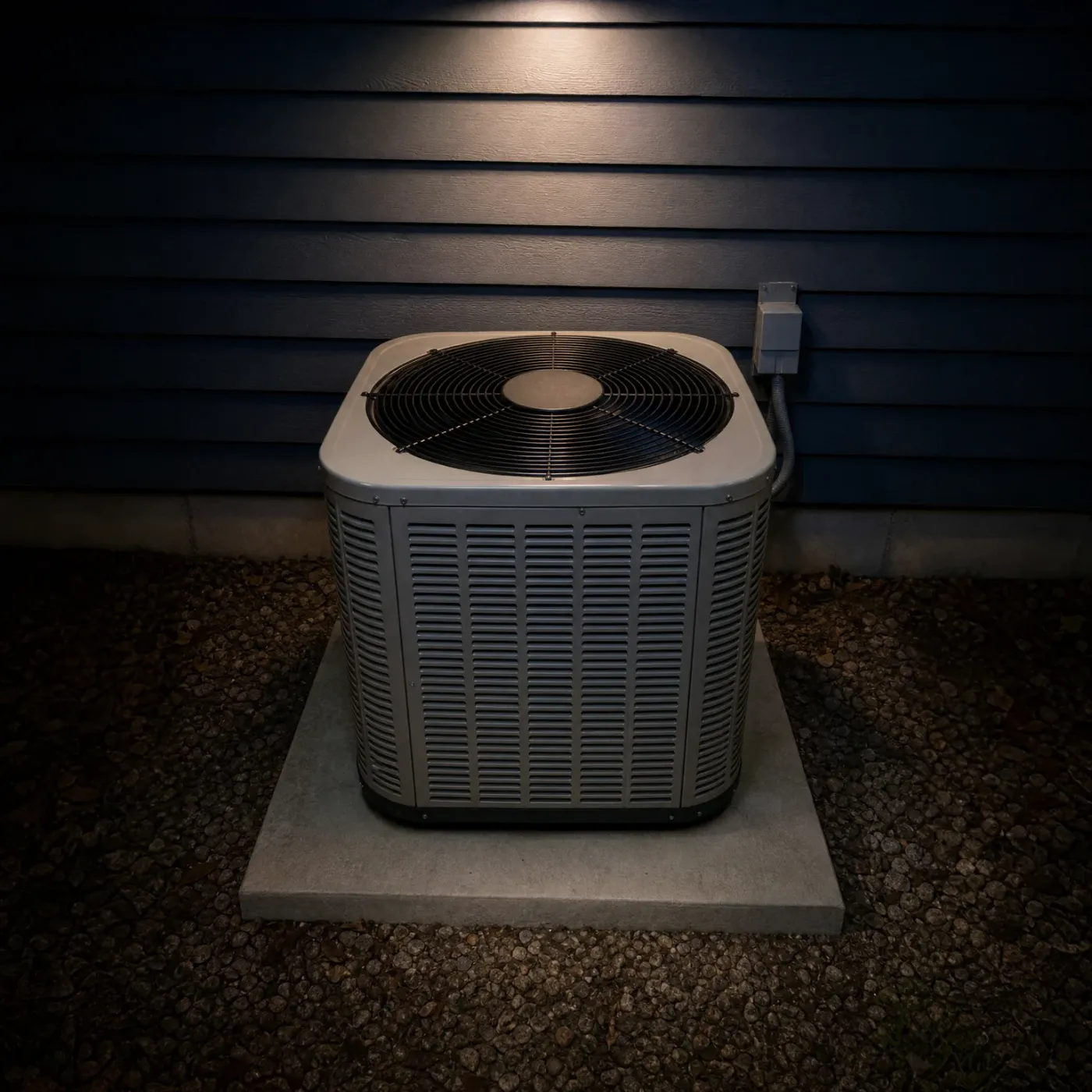
An outdoor air conditioning condenser unit on a concrete pad surrounded by gravel, against dark horizontal siding with an electrical disconnect box and conduit, lit from above at night.

Heat pump

To heat your home here$1.69per 100,000 Btu

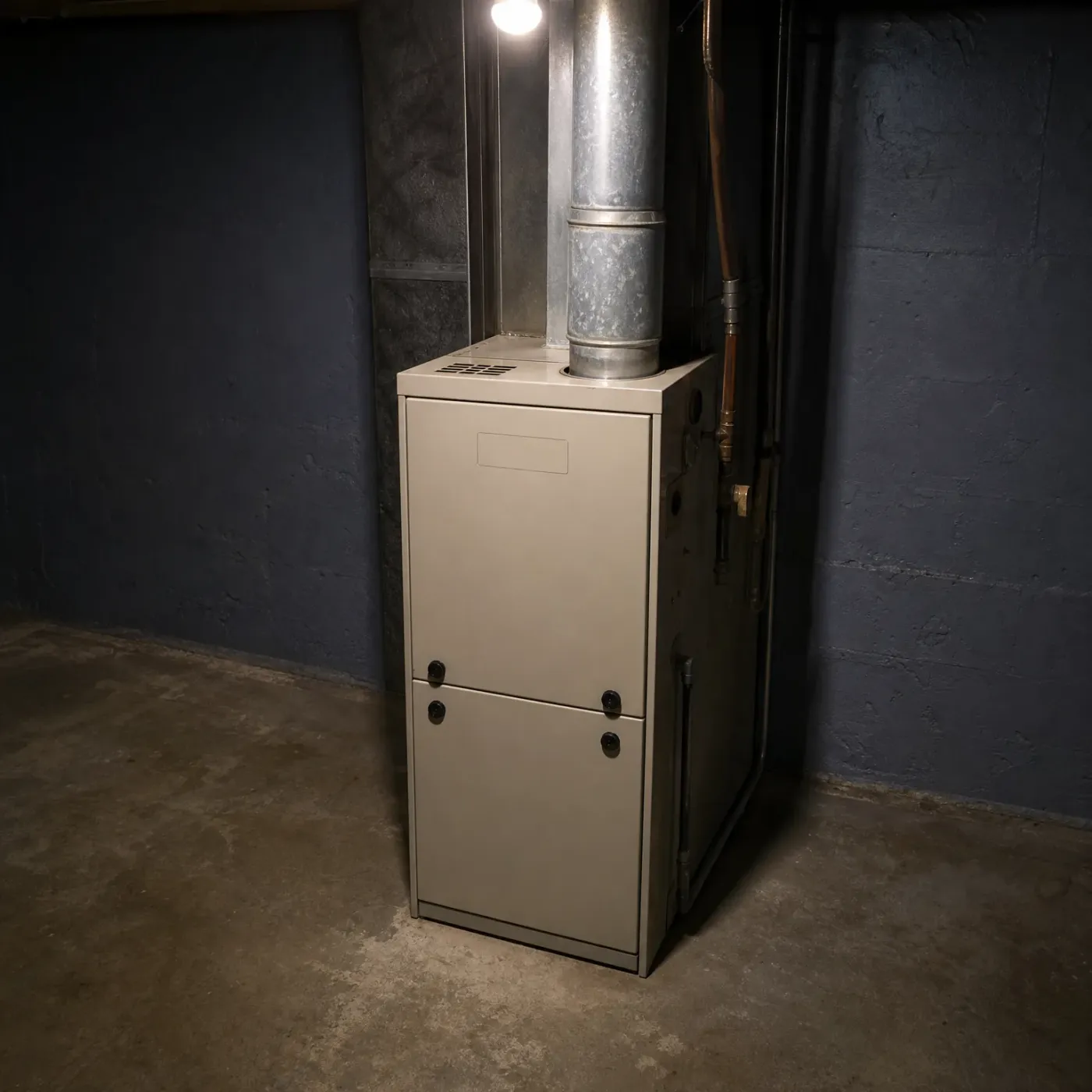
A beige gas furnace with a galvanized metal flue pipe and copper piping stands against a dark painted concrete block wall in a basement with a bare concrete floor.

Furnace

To heat your home here$0.97per 100,000 Btu

At Montana's gas and electricity prices, a gas furnace makes the same heat as a heat pump for at least 42% less.

Btu stands for British thermal unit, the standard measure of heat energy.

Where does a heat pump shine?

  • Steady, even comfort

    A heat pump runs long and low instead of blasting on and off. Rooms hold an even temperature all day.

    A yellow dog sleeps on a patterned rug in a living room with a gray wingback armchair holding an open book and a draped throw, a lit table lamp beside a window showing snowy trees, and a stone fireplace with a burning fire at right.
  • No gas line, nothing burning in the house

    There's no gas line to the unit and no flame anywhere in it. Carbon monoxide isn't part of the picture.

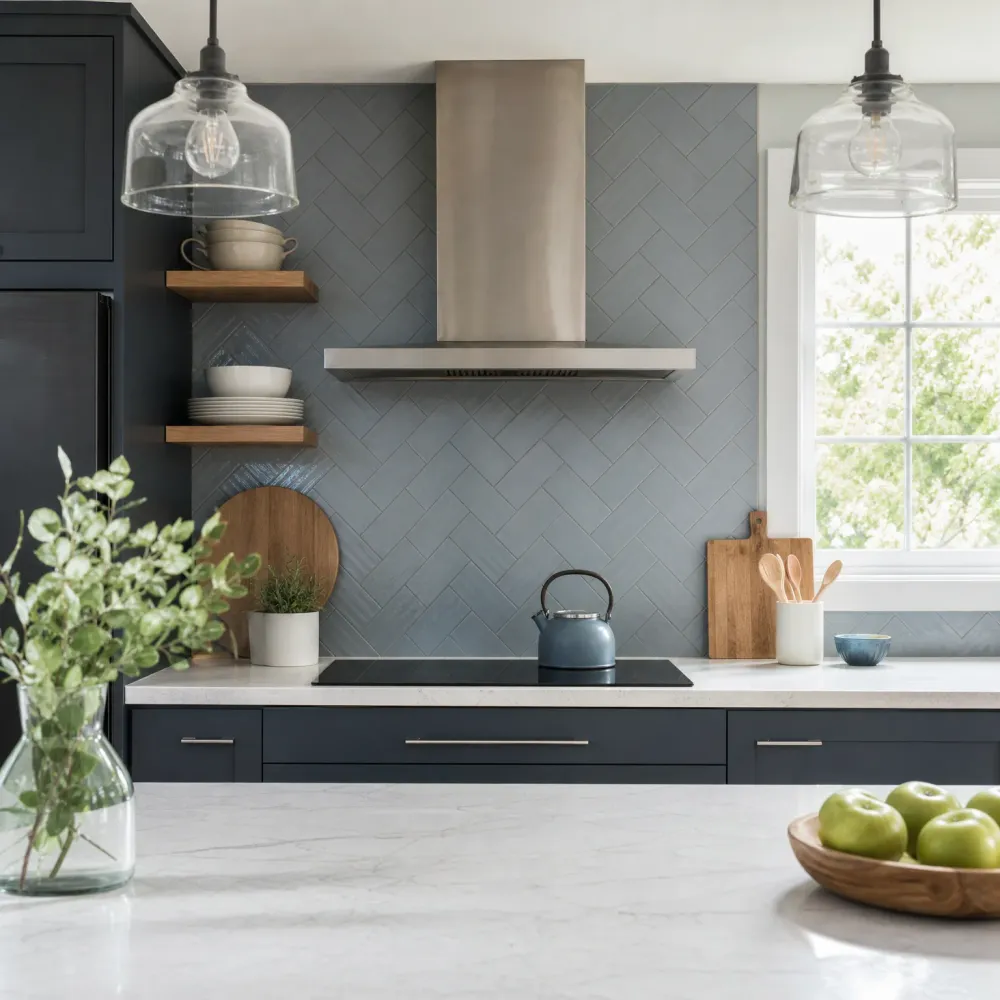
    A kitchen with navy cabinets, white countertops, gray herringbone tile backsplash, stainless range hood over a cooktop with a kettle, open wood shelves with dishes, two glass pendant lights, a window, and a bowl of green apples on the foreground island.
  • Heats and cools in one system

    A heat pump runs the same way all year. It pulls heat into the house in winter and pushes it out in summer.

    A living room with a cream sofa holding grey and navy cushions and a grey fringed throw, a rustic wooden coffee table with a mug and wooden bowl, a dark grey panelled door, built-in shelves with books, a large window looking onto a green garden, and a table lamp beside a wooden chair.

Where does a furnace shine?

  • Strong, steady heat in hard cold

    Nights here average 13°F in December, January and February. A furnace burns gas to make heat, so it keeps putting out the same strong heat no matter how far the temperature drops that night.

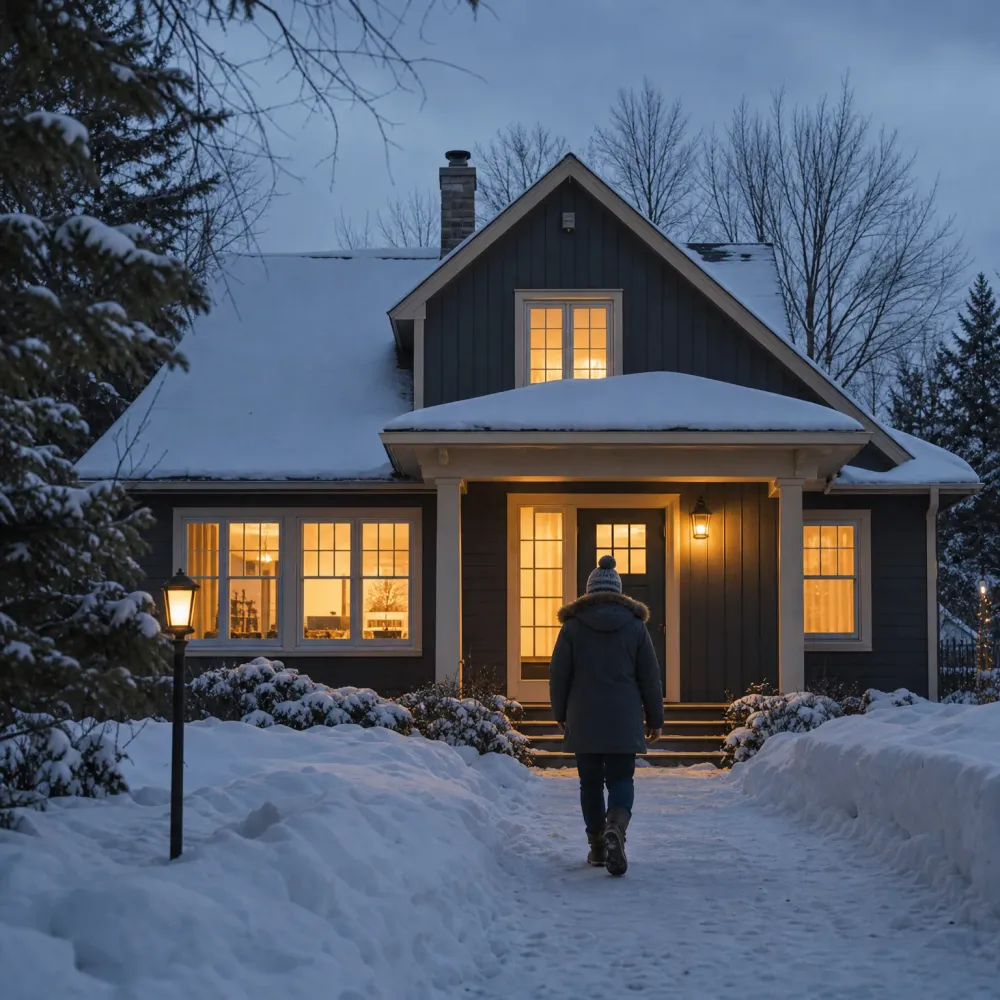
    A person in a dark hooded parka and pom-pom hat walks up a cleared snowy path toward a dark-sided house with lit windows, a covered porch, and a lamppost at dusk.
  • Runs on the gas most homes here already use

    Most homes in Deer Lodge County already have gas line run to them for furnace heat. If yours is one of them, a new furnace just hooks into what's already there.

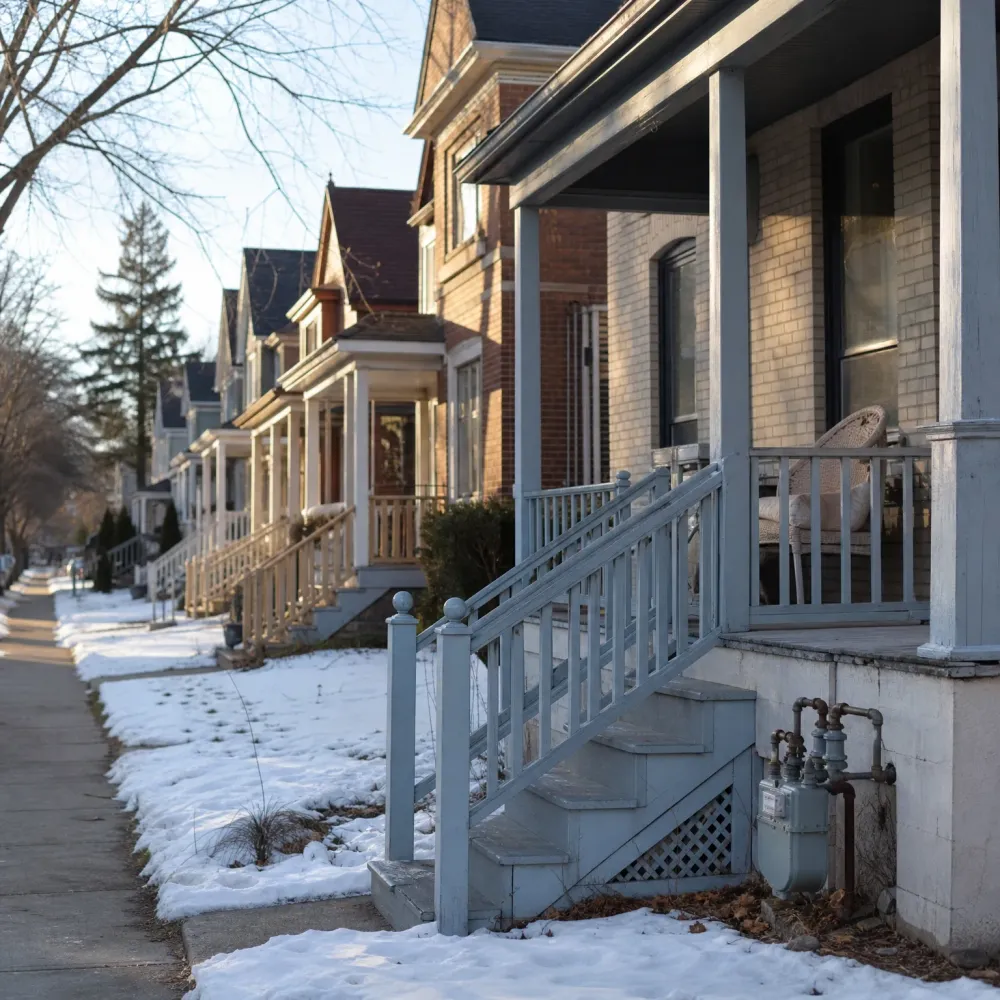
    A row of brick houses with covered front porches and painted wooden steps along a snow-patched residential street, with a gas meter and piping beside the nearest porch foundation.
  • Fast, strong heat on demand

    The air coming from the vents feels genuinely hot. That's welcome on a freezing morning.

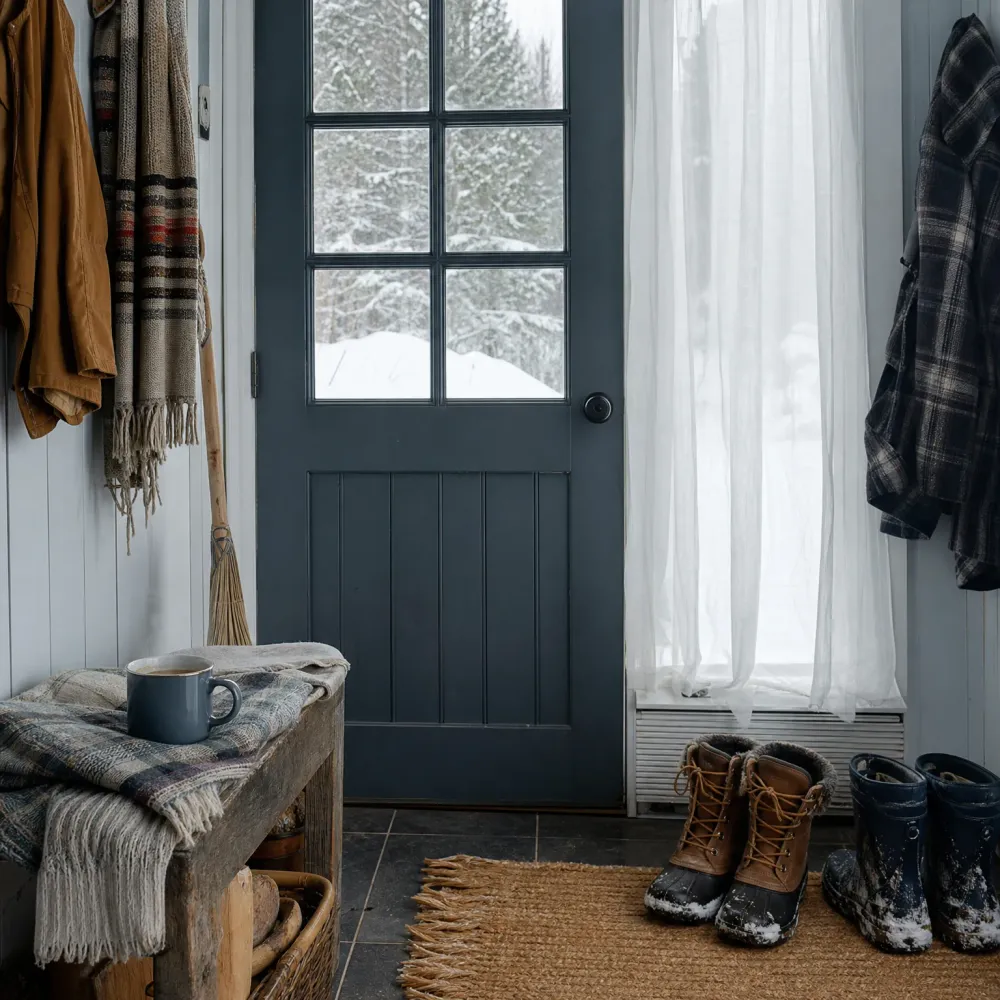
    An entryway with a dark gray glass-paned door showing snowy conifers outside, a wooden bench with plaid blanket and a mug, duck boots and rubber boots on a jute rug, and coats hanging on wall hooks.

What the cold does to a heat pump here

Winter nights in Deer Lodge County average 13°F, and about 205 nights a year end up at or below freezing. That matters because a standard heat pump starts losing ground before it even gets that cold. Below 40°F it puts out less heat than its rating says. Below about 35°F it usually needs backup heat to keep up. Every single one of those 205 freezing nights here falls below both marks.

That doesn't mean a heat pump won't heat your house. It means a standard one is working below its rated capacity most of the winter, and leaning on backup heat for a good part of it. The 16 nights a year that drop to 0°F or below are the hardest test, and they're a small slice of the winter here, not the whole story. The real story is the other 189 nights sitting between 0°F and freezing, where a standard heat pump is already behind.

There's a real answer to this, not just a workaround: a heat pump built to the ENERGY STAR Cold Climate spec has to prove it still makes at least 1.75 units of heat per unit of electricity at 5°F, and hold onto 70 percent of its 47°F capacity at that same temperature. That's tested, not advertised. A field test of these units over two winters found backup heat covered only a small share of the heat needed between 0°F and 35°F, and the units almost never ran on backup alone above 0°F. That's the heat pump that belongs in this county, if you're buying one. A standard model is not.
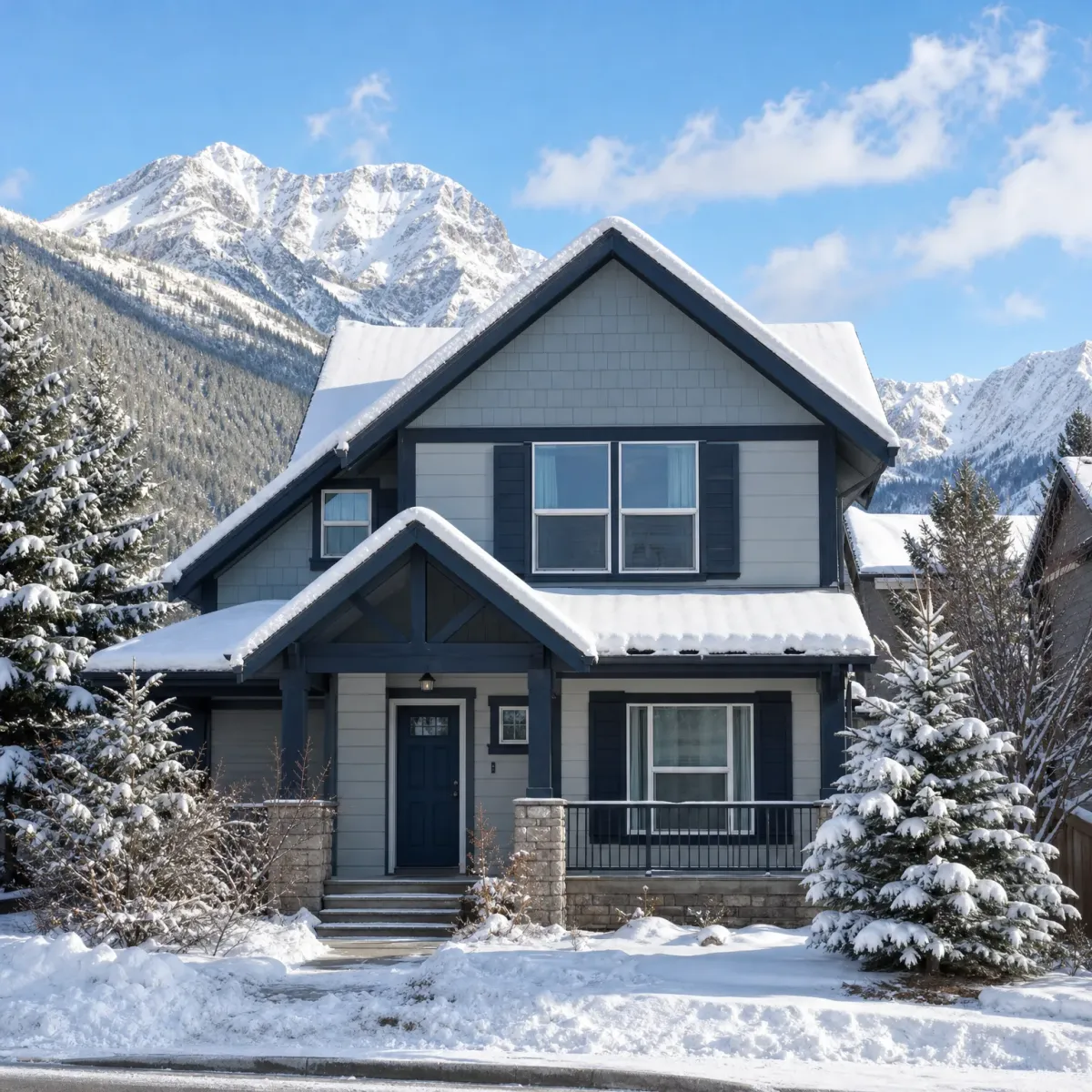
A two-story light gray house with dark blue trim, shutters and front door, its roof and yard covered in snow, flanked by snow-laden conifers with snow-capped mountains behind under a blue sky.

What it costs to run, and what your neighbors have

Run the numbers at Montana's own prices and gas wins. A gas furnace makes the same heat here for $0.97 per 100,000 Btu, against $1.69 for a heat pump built to the federal minimum. That's a furnace running at least 42% cheaper to heat your house, before you even add in whatever backup heat the heat pump leans on during the stretch of winter below 35°F.

Two in three homes in this county already heat with utility gas. That's higher than the state average of about half. Under one in five heat with electricity. That split didn't happen by accident in a county this cold, and it lines up with what the cost numbers and the winter lows both say.

None of this touches summer, because there's not much of one to touch. Afternoons average 71°F in June, July and August, and the county has no real cooling season. A heat pump's summer side, the part that makes it double as air conditioning, isn't worth much here. A furnace only heats, so that difference does not cost you anything most years.

If your house already has a gas line, a furnace is the cheaper and steadier choice in this county, both in the cost per Btu and in how it handles the 16 nights a year that hit 0°F. If you're set on a heat pump anyway, because you want to be rid of a gas line or you want one system that does both jobs, look for the Cold Climate designation specifically. A furnace bought here should be sized for that 13°F average low, not a milder number from somewhere else.

Sources: NOAA nClimDiv · NOAA 1991–2020 seasonal normals · EIA SEDS 2024 · 10 CFR 430.32 · Census ACS 2020–2024 · PNNL Building America guide · PNNL-37127 field study · ENERGY STAR product criteria

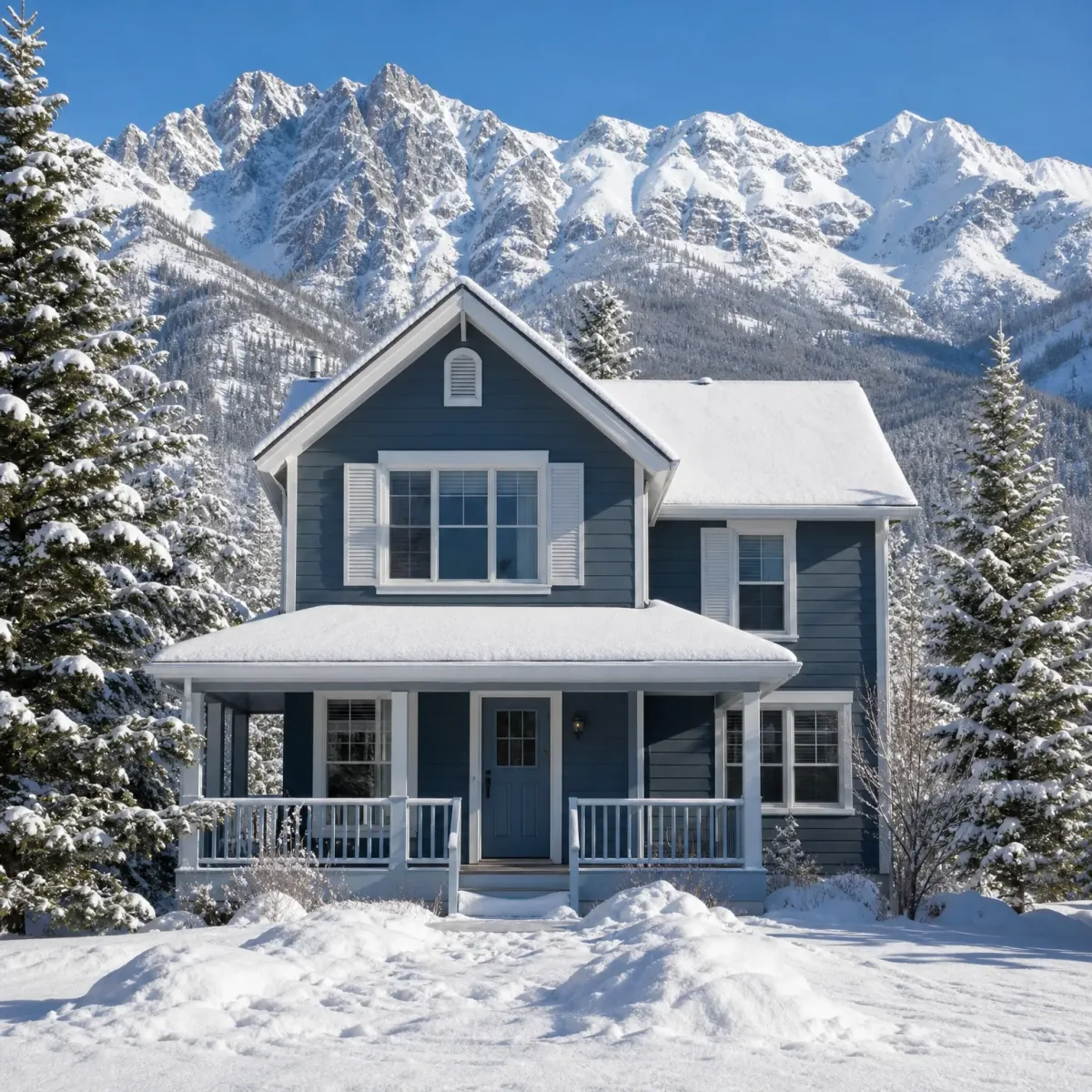
A two-story blue-gray house with white trim and a covered front porch stands in deep snow, flanked by snow-covered conifers with snowy mountain peaks under a clear blue sky behind it.

Common questions about heat pumps and furnaces

  • Can a heat pump heat a house through a Montana winter?

    It can, but not on its own in this county without help on the coldest nights. Below 40°F a heat pump's output falls short of its rating, and below about 35°F it often needs backup heat, while the overnight low here averages 13°F across December, January and February. Cold climate models hold more of their capacity in deep cold, but even in field tests backup heat still did some of the work between 0°F and 35°F.

  • Do I need backup heat with a heat pump here?

    Most likely, yes. A standard heat pump puts out less than its rated heat below 40°F and often needs backup below about 35°F, and the average winter night here is 13°F. Nights at or below freezing run about 205 a year here, well over half the year, so backup heat would be working often, not just on the rare cold snap.

  • Can I keep my furnace and add a heat pump?

    Yes, and here that often makes more sense than running a heat pump alone. A heat pump's output drops below 40°F and it often needs backup heat below about 35°F, and the overnight low here averages 13°F across December, January and February. Keeping the furnace as backup means something else carries the house on the coldest nights instead of the heat pump straining to do it.

  • Is a heat pump cheaper to run than a furnace in Deer Lodge County?

    No, a gas furnace costs less to run here. A furnace built to the federal minimum makes the same heat for $0.97 per 100,000 Btu against $1.69 for a heat pump, both at Montana's average fuel prices. That gap is why two in three homes in the county heat with gas and under one in five heat with electricity.