

Heat pump vs furnace in Judith Basin County, Montana

Start My Quote

No cost to ask

A person's hand adjusts a round thermostat on a blue-gray interior wall, with a tool bag on the floor below and a living room visible through a doorway.

Tell us about the job

Takes about a minute. No obligation.

New system or replacementJudith Basin County, MT
Step 1 of 3

What kind of equipment?

Which costs less to run in Judith Basin County?

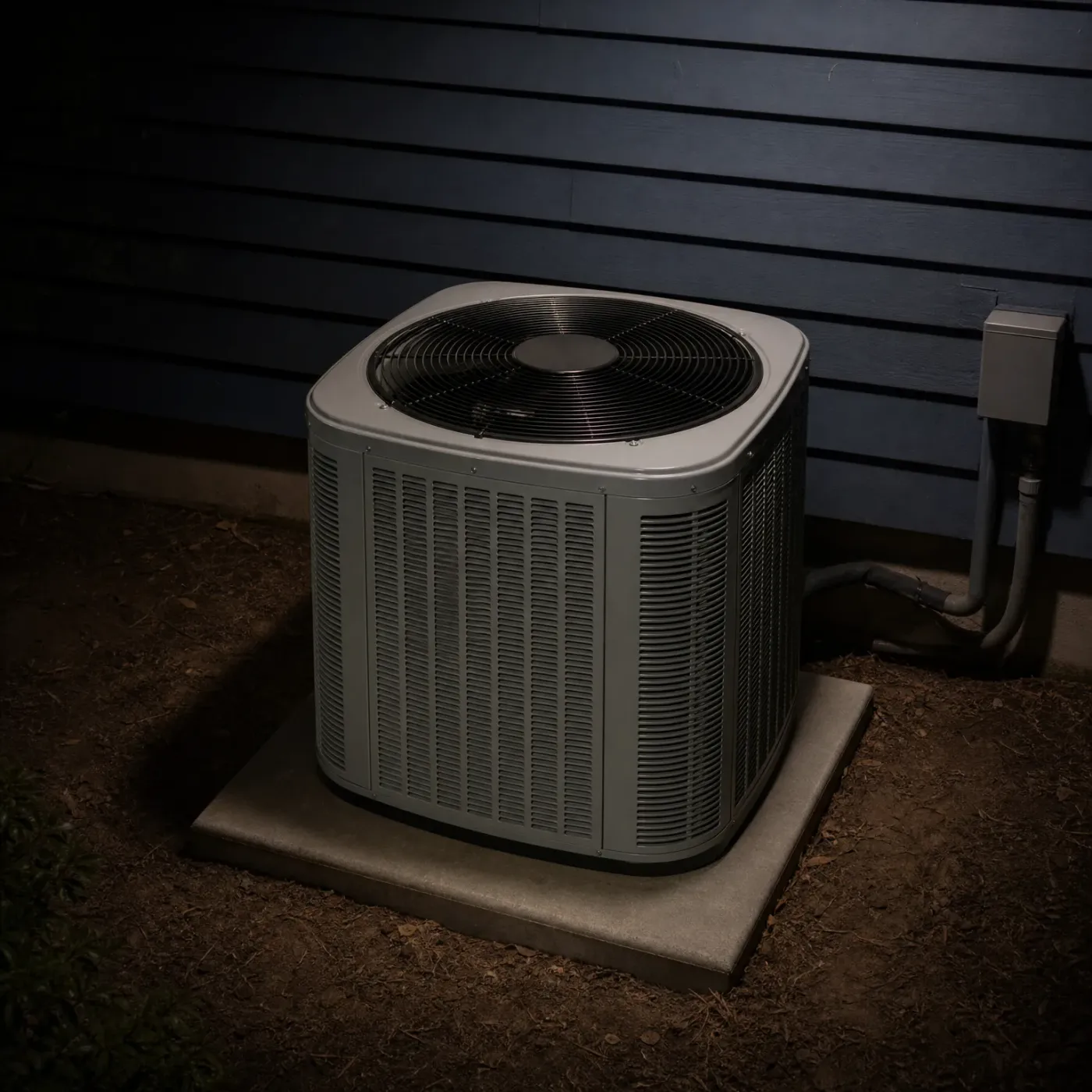
An outdoor air conditioning condenser unit on a concrete pad beside a dark horizontal-lap sided wall at night, with an electrical disconnect box and refrigerant lines on the wall to the right.

Heat pump

To heat your home here$1.69per 100,000 Btu

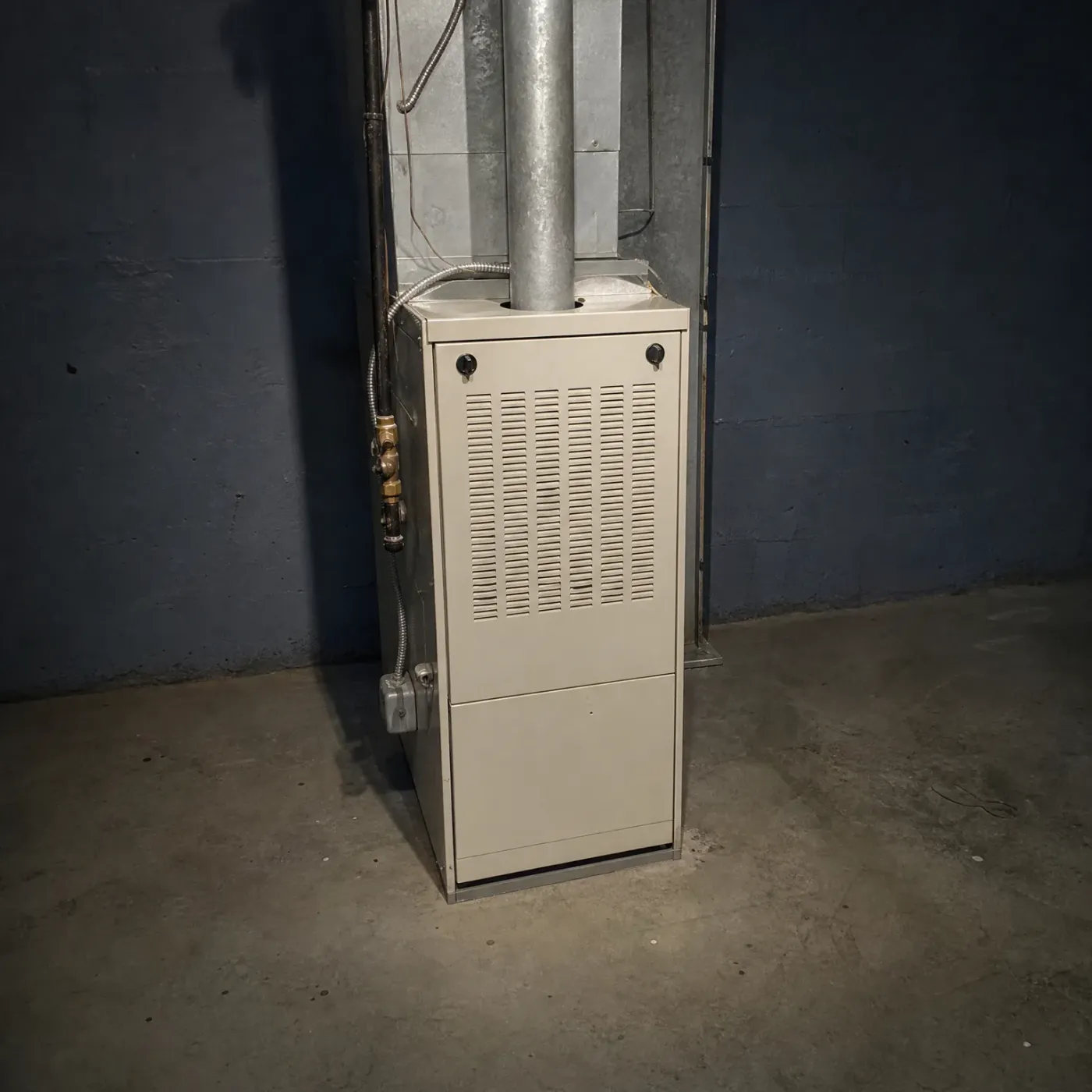
A beige furnace with a louvered front panel stands on a concrete floor against a gray wall, with a metal flue pipe and ductwork above it and gas piping and an electrical box at its left side.

Furnace

To heat your home here$0.97per 100,000 Btu

At Montana's gas and electricity prices, a gas furnace makes the same heat as a heat pump for at least 42% less.

Btu stands for British thermal unit, the standard measure of heat energy.

Where does a heat pump shine?

  • Steady, even comfort

    A heat pump runs long and low instead of blasting on and off. Rooms hold an even temperature all day.

    A living room with a gray upholstered armchair holding an open book and a throw blanket, a lit lamp and mug on a side table, a golden-colored dog sleeping in a round gray bed beside a stone fireplace, and a snowy view through the window.
  • Heats and cools in one system

    One machine handles the heat in winter and the cooling in summer. There's no second system to buy or keep up.

    A living room with dark blue panelled walls, a grey sofa with cushions and a knitted throw, a wooden coffee table holding a mug and a glass vase of white hydrangeas, a side table with a lamp and small plant, and a large white-framed window overlooking a green garden.
  • No gas line, nothing burning in the house

    There's no gas line to the unit and no flame anywhere in it. Carbon monoxide isn't part of the picture.

    A kitchen with dark blue cabinets, light speckled stone countertops, an induction hob with a stainless steel kettle, a bowl of pears, flowers in a glass jar, open wood shelves with ceramics, and a grey upholstered chair in the foreground.

Where does a furnace shine?

  • Strong, steady heat in hard cold

    Winter nights here average 14°F, and a furnace puts out the same hot air whether it's mild or well below zero. You don't lose heat output on the coldest nights, which matters when the thermometer sits that low for weeks at a time.

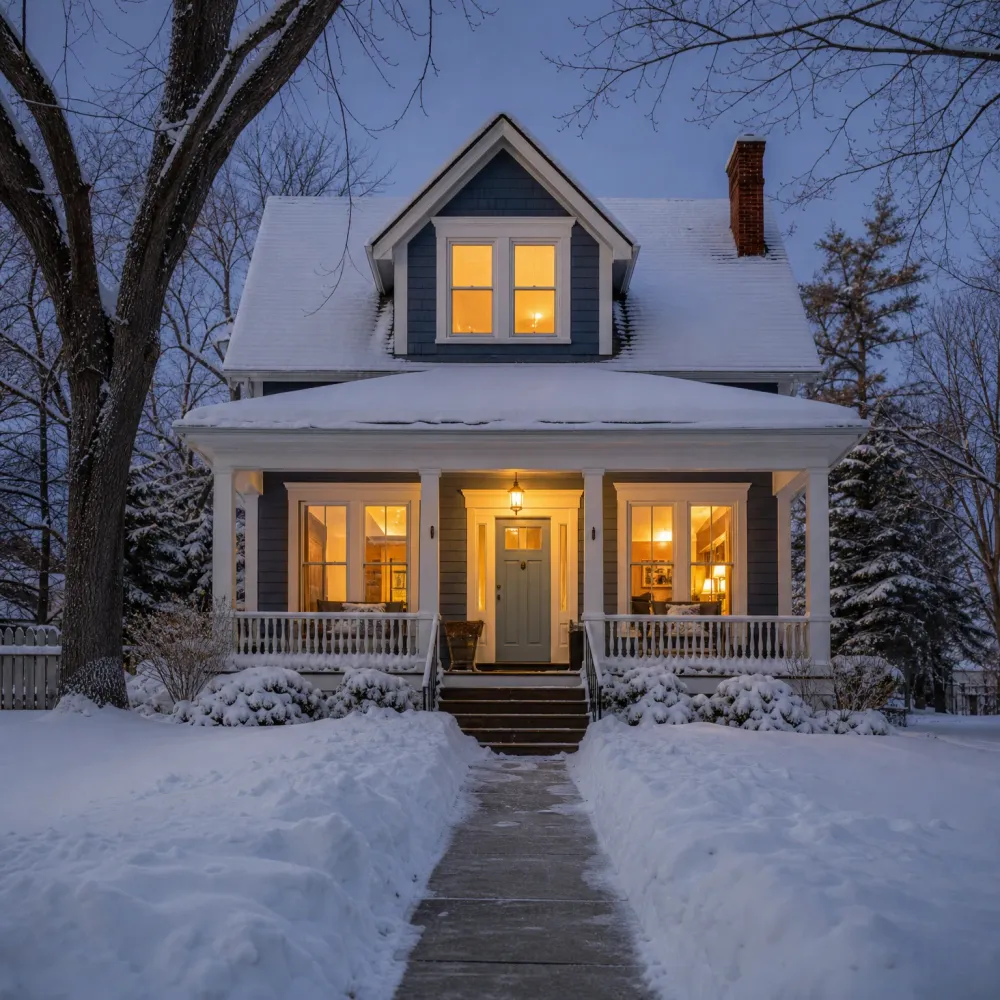
    A two-story house with dark blue siding, white trim and a covered front porch at dusk, with lit windows, snow on the roof and ground, a shoveled walkway leading to the steps, and bare trees and evergreens around it.
  • Pairs with any central AC

    A furnace's blower and ducts carry cooled air too. Adding central AC uses the same system.

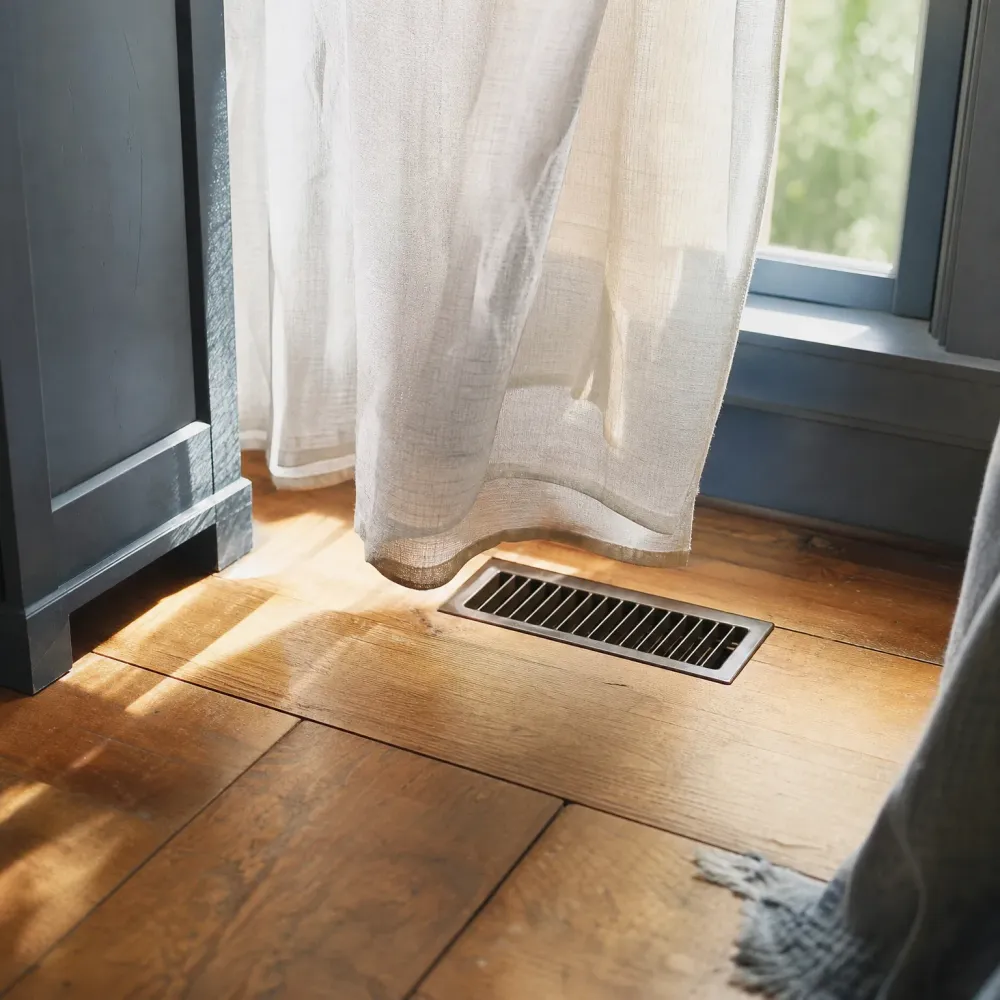
    A metal floor vent set into wide wooden floorboards beside a window, with a sheer white curtain hanging above it in sunlight.
  • Proven, simple, easy to get serviced

    Parts are easy to find and most repairs are routine. Getting one fixed rarely means waiting on a specialist.

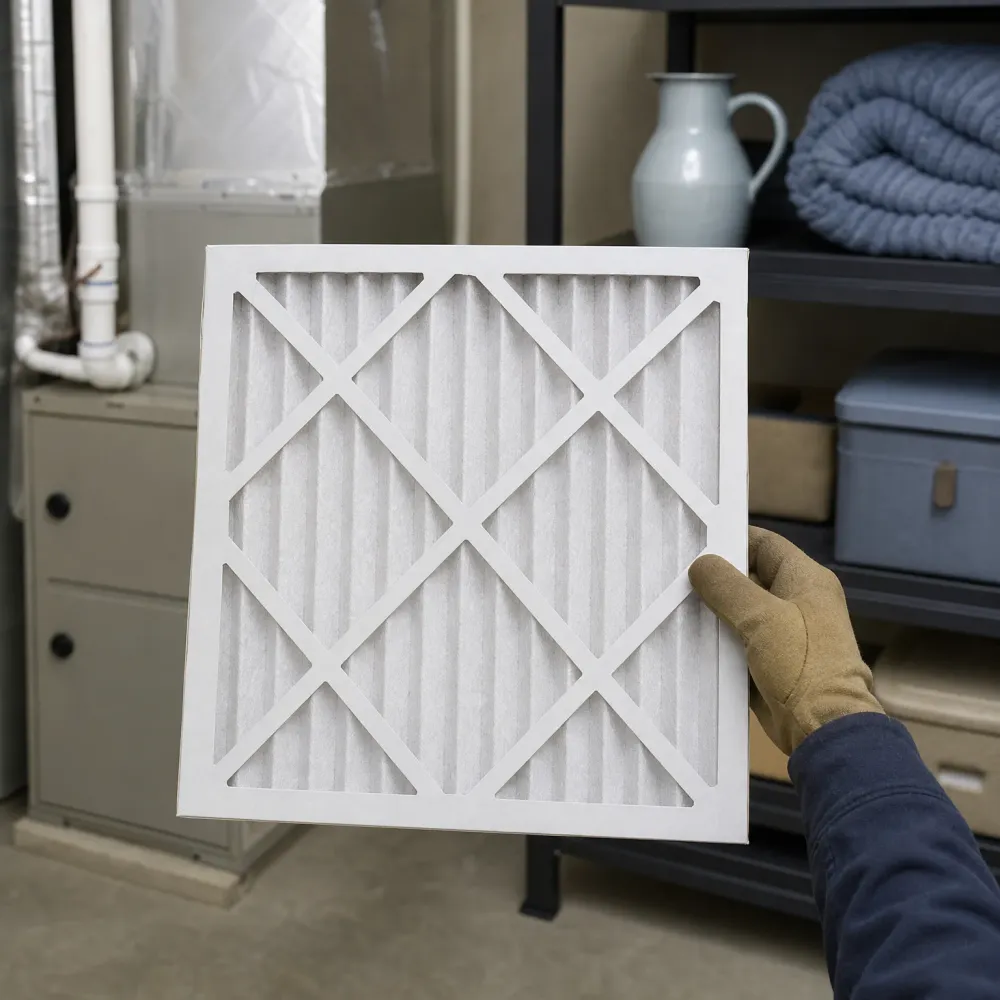
    A gloved hand holds a white pleated air filter with a cardboard frame in front of indoor shelving holding a folded blanket, a pitcher, and storage boxes.

What the cold here does to a heat pump

Your winters decide this. The overnight low here averages 14°F across December, January and February, and the heat runs ten months a year, September through June. That is the climate a heat pump has to work in, not the mild fall and spring days where it runs fine.

A standard heat pump starts losing heating capacity below 40°F and often leans on backup heat below about 35°F. Here, the average winter night is 14°F, below both marks. And every one of the nights that drop to freezing or below is also below both marks. That is about 185 nights a year, over half of the nights the heat is running at all.

About 20 of those nights reach 0°F or below. That is under a quarter of the freezing nights, but it is still 20 nights a year where a standard heat pump is working hardest and putting out the least.

Cold climate heat pumps exist for this kind of winter. To carry the ENERGY STAR Cold Climate label, a heat pump has to make at least 1.75 units of heat for every unit of electricity at 5°F and hold on to at least 70 percent of its 47°F heating capacity at that temperature, checked by independent testing. In a two-winter field test of prototype cold climate models in occupied homes, backup heat covered only a small share of the load between 0°F and 35°F, and running on backup heat alone was rare unless it dropped below 0°F. A furnace does not have this weak point. It is built for cold and its output does not fall as the temperature drops, which matters in a county where over half the heating season sits at or below freezing.
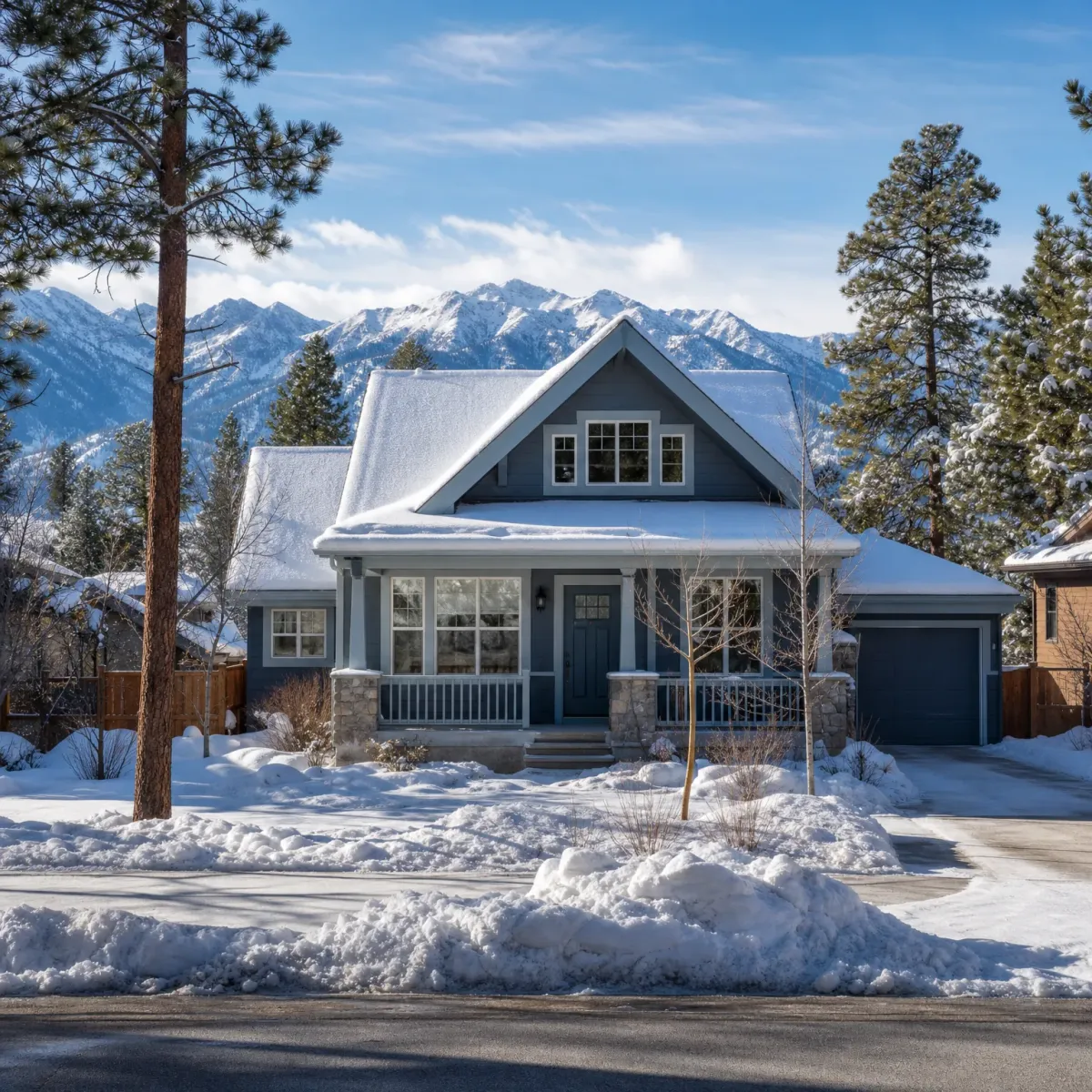
A blue-gray gabled house with a covered porch, stone column bases and an attached garage stands behind snow-covered ground, with pine trees and snowy mountains in the background.

What each one costs to run here

A gas furnace is cheaper to run in Judith Basin County. At Montana's average fuel prices, a furnace built to the federal minimum makes the same heat for $0.97 per 100,000 Btu against $1.69 for a heat pump built to the federal minimum, with nothing added for the backup heat it needs on the coldest nights. That gap holds because natural gas costs $7.77 per million Btu here against $37.11 for electricity, and no efficiency difference between the machines closes a gap that size.

Gas is not what most houses here burn, though. Propane heats 64.8% of homes in Judith Basin County, about two in three, against 13.0% across Montana as a whole. Electricity heats 14.5% of homes here. Propane runs $22.28 per million Btu, still well under electricity's $37.11, so in a house heating with propane the furnace still likely costs less to run than a heat pump would.

A furnace only heats. It has nothing to do the other two months of the year, since no month here is warm enough to call for cooling. A heat pump covers both heating and cooling in one system, which does not change the running cost but does mean one machine instead of a furnace plus a separate air conditioner. That is a real tradeoff if keeping gas out of the house, or running one system instead of two, matters for your house. But on cold-weather performance and on running cost, the furnace is the stronger case here.

Sources: NOAA nClimDiv · NOAA 1991–2020 seasonal normals · EIA SEDS 2024 · Census ACS 2020–2024 · 10 CFR 430.32 · PNNL Building America guide · PNNL-37127 field study · ENERGY STAR product criteria

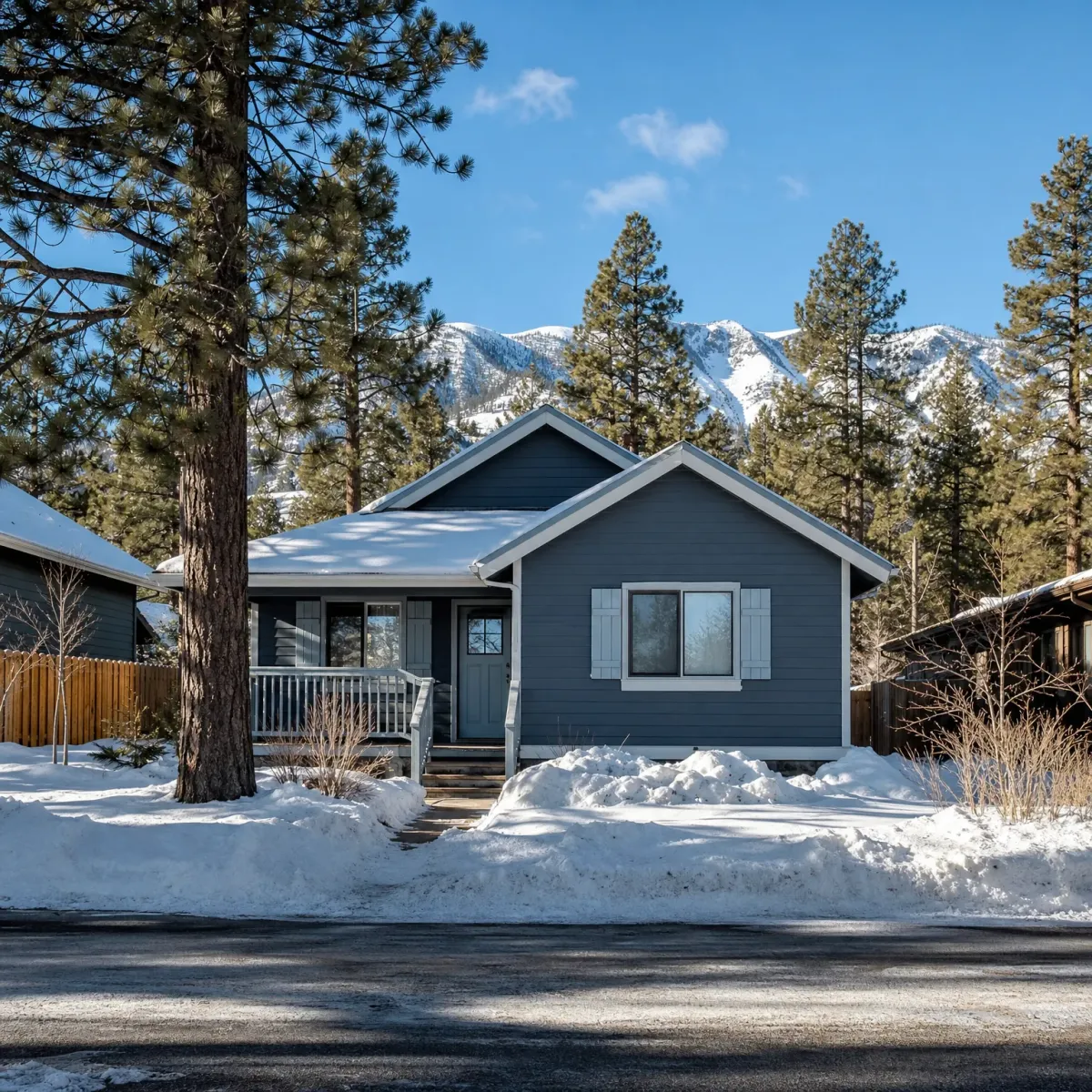
A single-story dark blue house with white trim, a covered porch and snow on the roof, surrounded by plowed snowbanks, tall pine trees and snow-covered mountains under a clear sky.

Common questions about heat pumps and furnaces

  • Can a heat pump heat a house through a Montana winter?

    Yes, but not on its own in weather like yours. Below 40°F a standard heat pump's heat output falls short of its rating, and below about 35°F it often needs backup heat to make up the difference. The average overnight low here is 14°F across December, January and February, so a heat pump here is working below both marks most winter nights.

  • Do I need backup heat with a heat pump here?

    Yes. Every one of the roughly 185 nights a year that drop to freezing or below here is already past the point where a standard heat pump's output falls short of its rating, and past the point where it typically needs backup heat. About 20 of those nights reach 0°F or below, where a heat pump needs backup heat to keep the house warm.

  • What if my house heats with oil or propane?

    A heat pump or furnace replaces either one. Propane heats about two in three homes here, and both a heat pump and a gas furnace run on their own fuel line, electric for the heat pump, gas for the furnace, so switching means running new gas line or an electrical circuit depending on which you choose.

  • Is a heat pump cheaper to run than a furnace in Judith Basin County?

    No, a gas furnace costs less to run here. A furnace makes the same heat for $0.97 per 100,000 Btu against $1.69 for a heat pump, because Montana's electricity runs well above its natural gas price per Btu. That gap holds for the full ten months a year heat runs in Judith Basin County.