

Heat pump vs gas heat in Kalispell, MT
Once you send the form, finding a pro is off your list.
Hand off the searchGas heat is the better choice for most homes in and around Kalispell. Winters here get well below freezing for weeks at a time, and a standard heat pump loses heating power as the outside temperature drops, then has to lean on backup electric strips to keep up. A gas furnace doesn't have that problem. It puts out the same heat on the coldest night in January as it does in October. That matters when the forecast calls for a stretch of single digits and the house needs to hold steady for days. Cold climate heat pumps exist and can keep working at low temperatures, but they cost more up front than a standard model and still run into their limits on the hardest winter nights. If your home already has a gas line and a furnace, replacing it with another furnace is the straightforward path. A heat pump makes more sense paired with gas as backup, not as a full replacement for it.
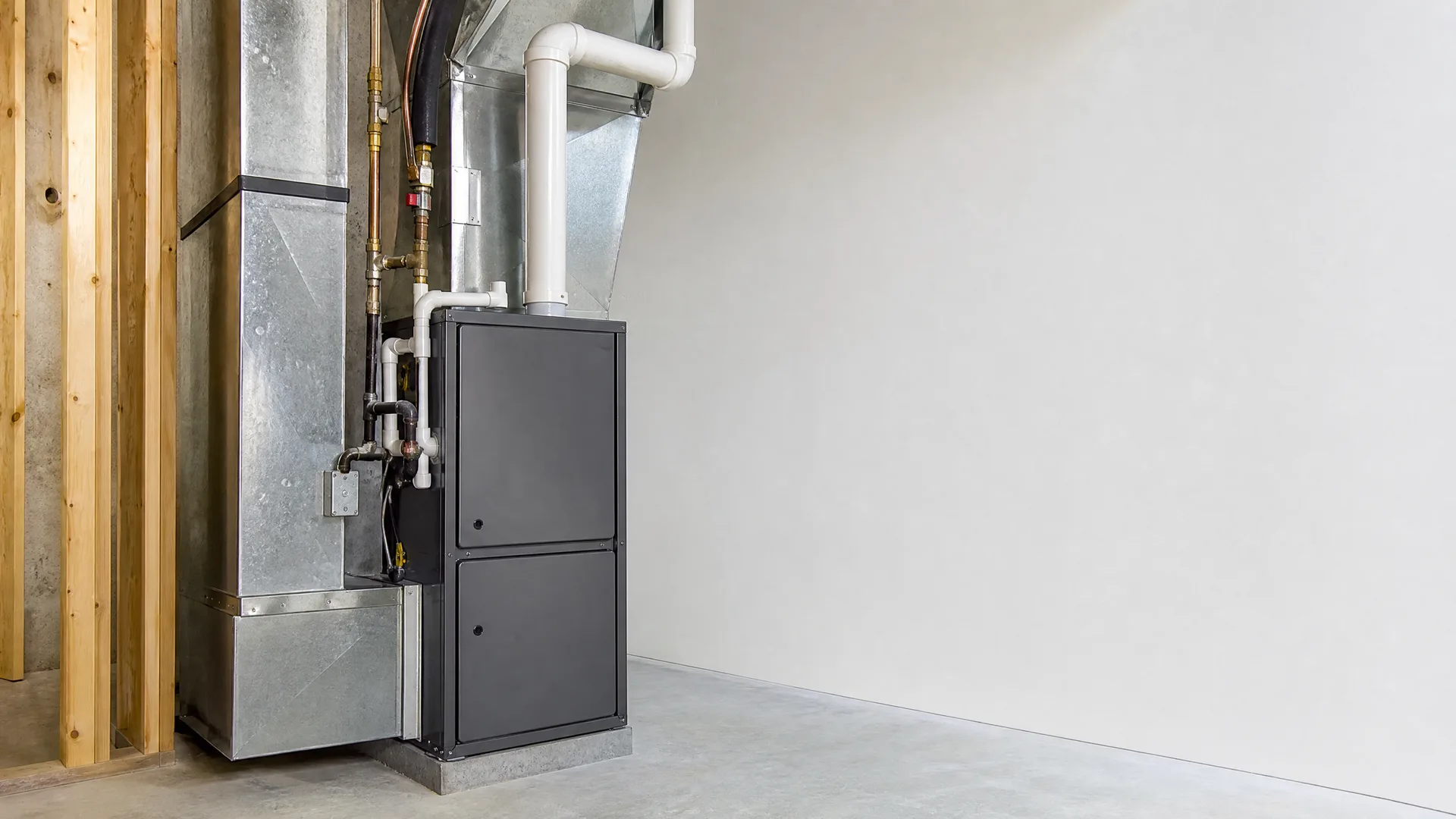
What cold does to a heat pump
A heat pump moves heat from the outside air into your house. Once the outside air drops into the teens or lower, there's less heat left out there to move, and the unit's output falls off. Below that point most units switch on electric resistance strips just to hold the set temperature. Those strips keep the house warm, but they run on straight electric heat, which is the most expensive way to make heat there is.
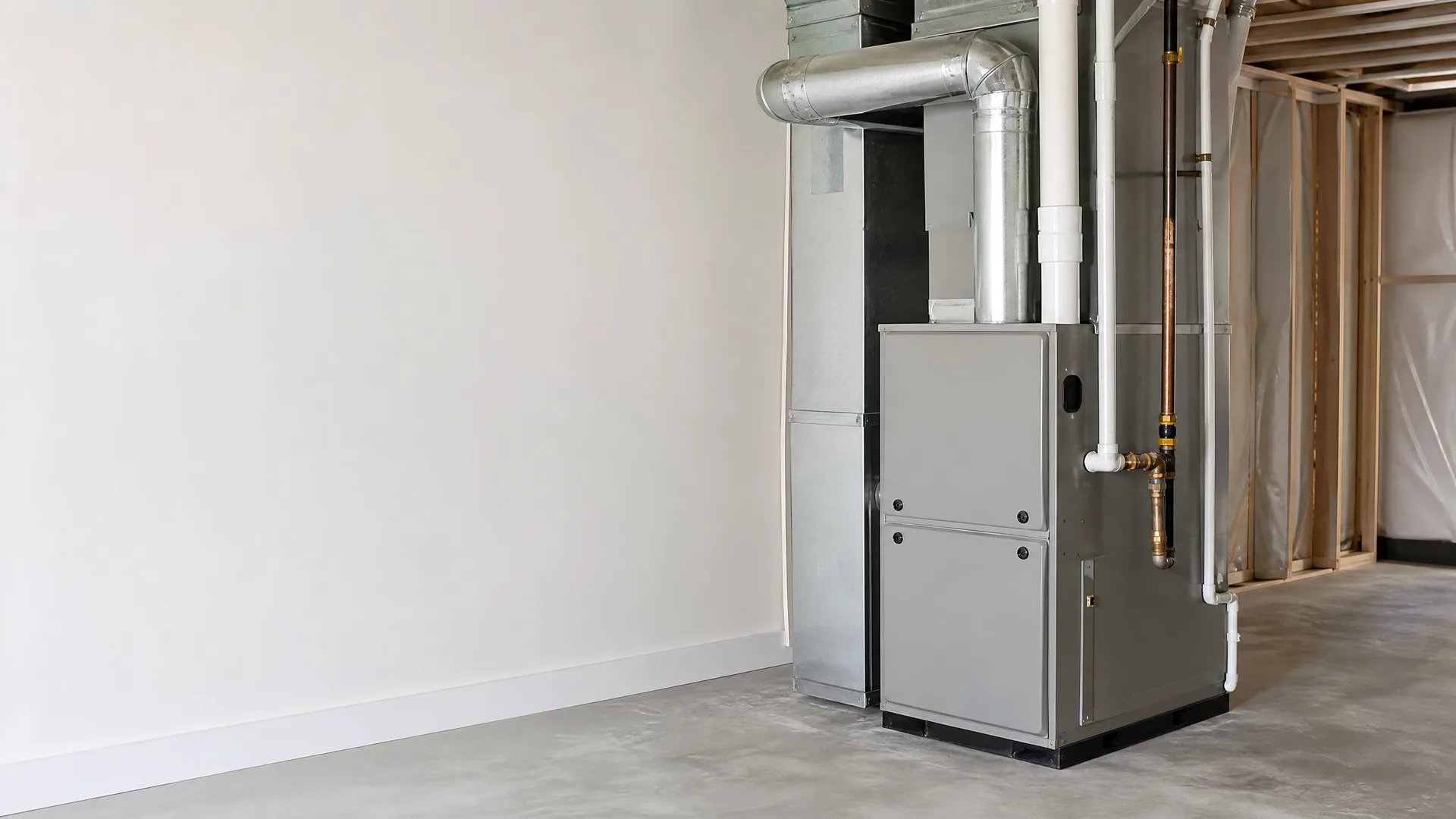
Why gas furnaces don't struggle here
A gas furnace burns fuel to make its own heat instead of pulling it from the outside air, so a night at ten below runs it no harder than a night at twenty above. Flathead County winters sit below freezing for weeks on end, and that's exactly the stretch where a furnace keeps its output flat while a heat pump needs the most help just to keep pace.
Why does a gas furnace handle a Kalispell winter better than a heat pump?
You've seen what a heat pump does once the temperature drops, and you're trying to figure out why a gas furnace doesn't have that same problem. It comes down to where the heat comes from in the first place.
A furnace makes its own heat instead of moving heat from outside
A furnace burns gas to make heat. It doesn't need to pull anything out of the outside air, so a night at 10 degrees doesn't change how it runs. The burner fires, the heat exchanger gets hot, and the blower pushes that heat through your ducts, the same process whether it's 30 degrees outside or well below zero. A heat pump has to work against the outside temperature. A furnace doesn't. That's why a furnace can hold your house at the same temperature through a long Flathead County cold snap without losing ground, and why most homes in this area are built around gas heat rather than a heat pump alone.




Why does your furnace run so long on the coldest nights?
If you're asking this question, you've probably already noticed the furnace kicking on more often once Flathead County drops into the single digits, or it running for a long stretch without shutting off. That's the furnace keeping up, not struggling. A furnace that's sized right for your house will run close to nonstop on the coldest days and still hold the temperature you set. If instead you're hearing it short-cycle, shutting off and on every few minutes, or you're feeling cold air at the vents before it warms up, that points to a furnace that's undersized or has a part wearing out. Left alone through a Kalispell winter, either problem means higher bills and a furnace working harder than it should to keep your house livable.


Send one request and you're done looking
Answer a few questions instead of calling shop after shop.
Sending the form costs nothing.
A gas furnace burns propane or natural gas right in the house, so it can push out heat well above body temperature no matter how cold it is outside. A cold snap doesn't change how hard it has to work.
A heat pump only has what it can pull from the outside air, and on a January night in Flathead County that's not much. The furnace keeps its output steady. The heat pump's drops right when you need it most.


Gas heat works by burning fuel, not by moving heat from somewhere else. Inside the furnace, a burner lights and heats a metal heat exchanger. A blower then pushes air across that hot surface and sends it through your ducts into every room. The flame never touches the air you breathe. It stays sealed inside the heat exchanger while the exhaust vents outside and the warmed air goes to the house.
That's a simpler job than what a heat pump is doing. A heat pump has to run a compressor and pull whatever heat it can find in the outside air, then carry it inside through refrigerant lines. On a cold night in Flathead County, there's not much heat left out there to grab. A furnace doesn't have that problem. Natural gas and propane burn at the same temperature whether it's 20 degrees out or 20 below, so the igniter lights, the flame sensor confirms it, and the furnace puts out the same heat either way. The fuel does the work, not the outside air.
How a furnace actually heats your house
- A gas furnace fires up, heats the air inside a heat exchanger, and a blower pushes that warmed air through the ducts to every room.
- The heat exchanger keeps the flame separate from the air you breathe, so the furnace burns gas and moves heat at the same time without mixing the two.
- A standard heat pump instead runs a compressor that pulls heat out of the outside air and carries it into the house through refrigerant lines.
- Natural gas or propane burns at a fixed temperature no matter what it's doing outside, which is why a furnace's output doesn't drop on a hard freeze.
- The furnace's igniter and flame sensor only have to start and confirm a flame, a simpler job than a compressor straining to pull heat from near-zero air.
- A furnace sized for your house burns the same amount of gas whether it's 20 degrees or 20 below, because the fuel does the work, not the outside air.


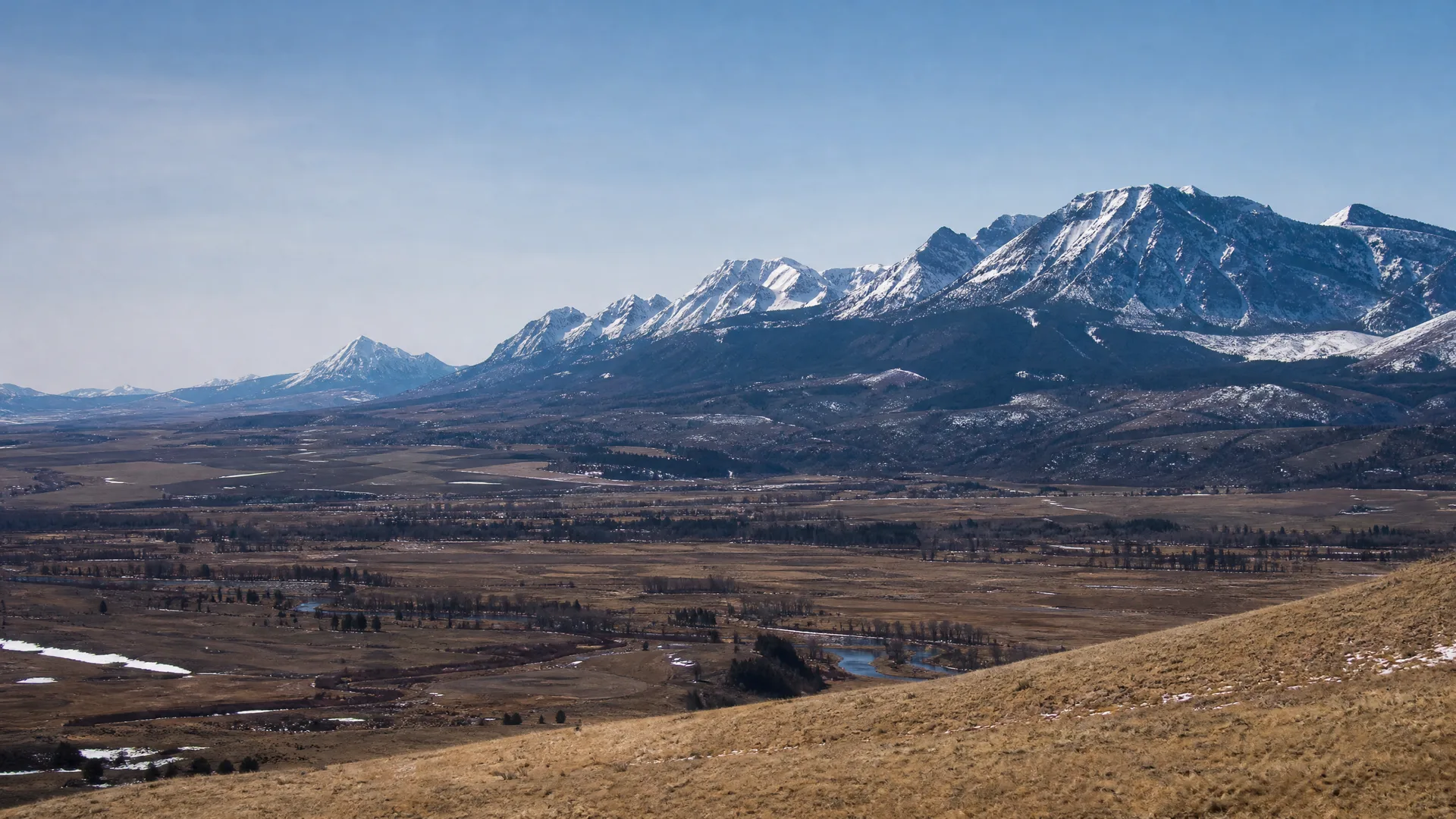
Winter nights average 17°F
A night that cold is a quiet one for a heat pump but not for your furnace. At 17°F your furnace is already built to push air well above room temperature and hold it there. It doesn't have to work around the cold to do that.
NOAA nClimDiv 1991-2020
Thermostat calls for heat and opens the gas valve
A spark or hot surface ignites the gas at the burner
The flame heats the walls of the heat exchanger
The blower pulls house air across that hot exchanger

Gas keeps up when the cold sets in. That's the answer.
A furnace burns fuel inside the house, so a hard freeze in Flathead County doesn't change how it works. A heat pump has to pull warmth from outside air, and once that air turns cold there's less of it to pull. For a Kalispell winter, that's the difference that matters.
You don't have to sort through all of that on your own to get your furnace installed. Instead of calling around to different contractors, waiting on quotes, and explaining your furnace and your house to each one, you fill out one form. From there, finding someone to do the work isn't on your list anymore.


Finding a pro stops being your job
Describe your furnace job once, to one pro.