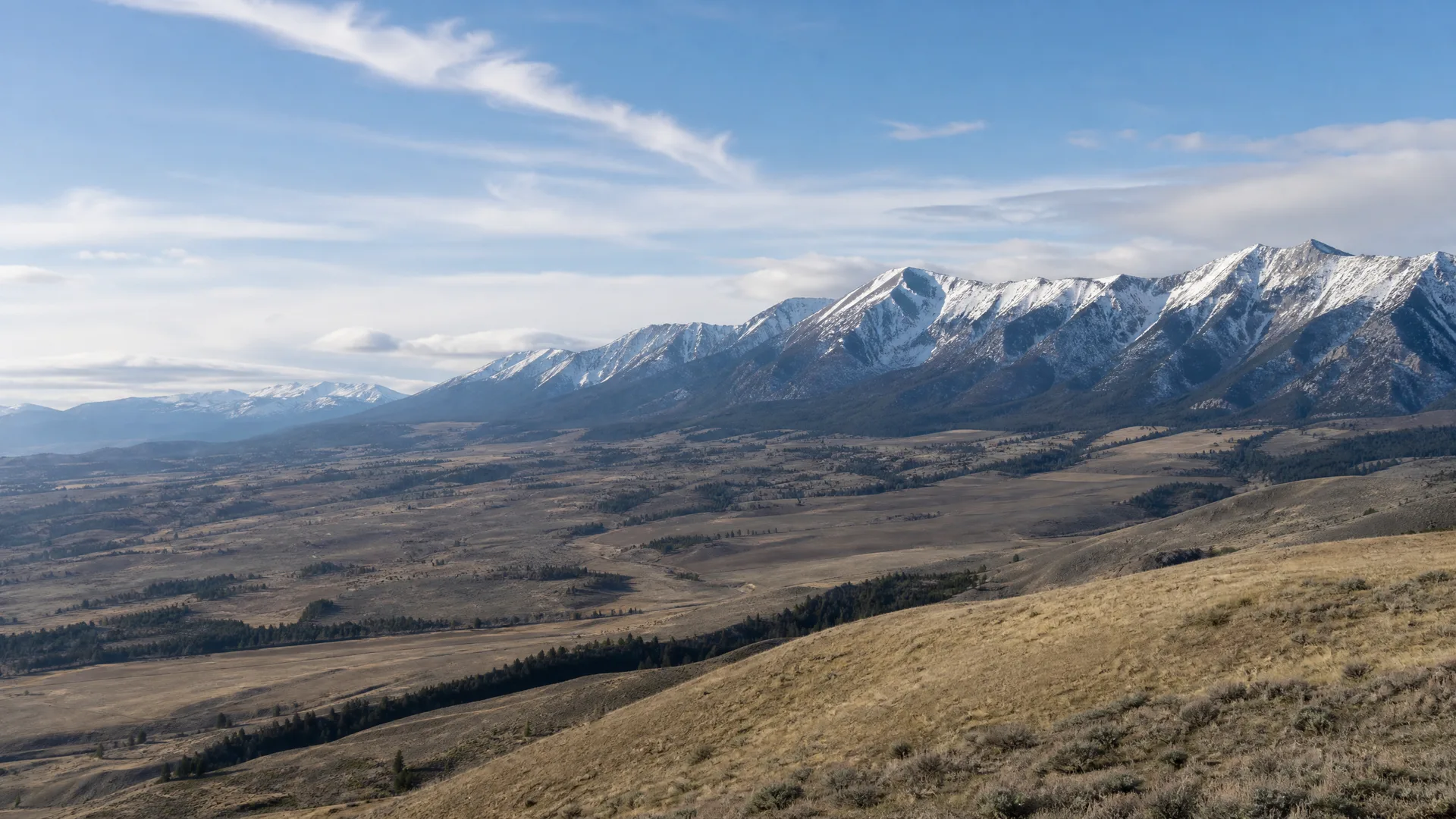
Below 32°F, output drops
Below about freezing, a heat pump pulls less heat per hour from the outside air, so a furnace or a propane backup has to pick up the difference on Musselshell County's coldest nights.

Propane still heats most homes around Roundup for a reason: winters here get cold enough, for long enough, that a heat pump alone struggles to keep up. Below about freezing, an air-source heat pump has to work harder to pull heat from outside air, and on the coldest Musselshell County nights it can fall behind what your house needs. Propane furnaces don't have that problem. They burn fuel to make heat directly, so a January cold snap doesn't change how well they work. Some homes here now run both: a heat pump for the shoulder months when it's efficient, propane for the hard stretch of winter when it isn't. That setup, called a dual fuel system, switches between the two automatically. If you're deciding between replacing a propane furnace outright or adding a heat pump to it, the right answer depends on your house, your ductwork, and how your current system is holding up. That's worth walking through with someone who can look at the actual equipment.


Below about freezing, a heat pump pulls less heat per hour from the outside air, so a furnace or a propane backup has to pick up the difference on Musselshell County's coldest nights.
A propane furnace produces the same heat output whether it's 30 degrees outside or 20 below, which is why it carries most homes here through winter.
If propane heats your house now, you know the signs of a system falling behind: rooms that stay cool no matter how high you set the thermostat, a furnace that runs long stretches without shutting off, or a propane tank you're refilling more often than last winter. If you're weighing a heat pump instead, picture the coldest nights Musselshell County gets. A heat pump working alone on those nights means less heat coming out of the vents right when you need it most, and a thermostat that can't close the gap. Either way, a system that's undersized or mismatched for this cold doesn't just run uncomfortable. It runs longer and harder than it should, and pipes in a cold house are a real risk once the furnace can't keep ahead of the temperature.
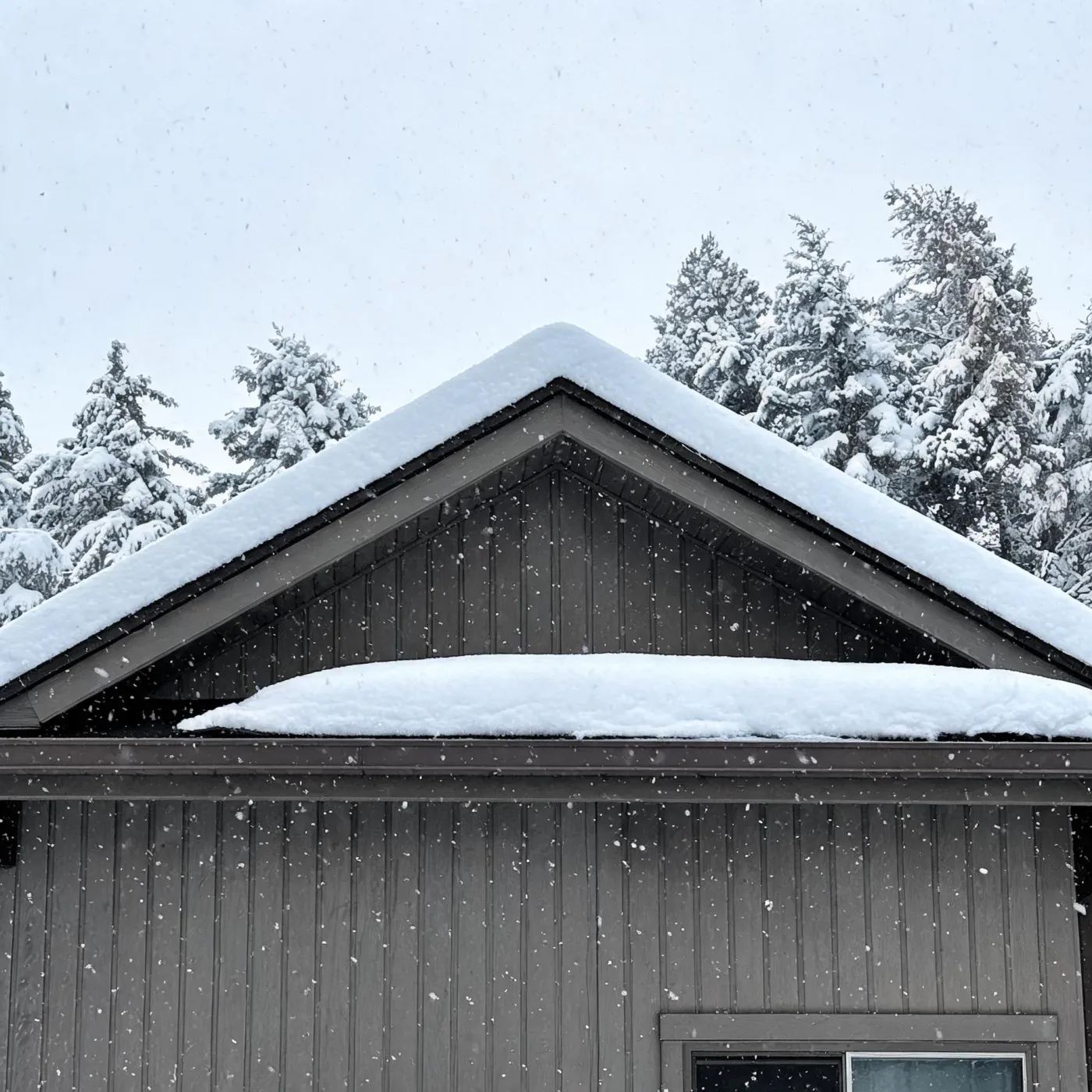
Winter nights in Musselshell County average 15°F, says NOAA. That's not a cold snap, that's the typical night from December through February. At that temperature, a heat pump is pulling heat out of air that has almost none left to give, so it leans hard on backup heat to keep the house warm. A propane furnace doesn't have that problem. It burns the same no matter how far the mercury drops. That's what you'd notice on the coldest nights: the furnace running steady, the house holding its temperature, instead of a system straining to keep up.
NOAA nClimDiv 1991-2020


Cold outside air moves across the heat pump's outdoor coil.
Refrigerant inside that coil absorbs whatever heat the air holds.
A compressor squeezes the refrigerant, raising its temperature further.
The indoor coil releases that heat into the air your ducts carry.
A 15°F night isn't the exception here, it's the average. Your furnace has to hold the house warm through that every night for three months straight, not just on the occasional cold snap. That's the load it's sized for.
NOAA nClimDiv 1991-2020

Propane doesn't care how cold the air outside gets. A propane furnace burns fuel to make heat directly, so a night at 15 below pulls the same output as a night at 30. That's why most houses around Roundup still run on propane. It was sized for the coldest week of the year, not the average one, and it holds that output all winter without help from a backup system or a second fuel source.

A heat pump moves heat instead of making it, so its output depends on how much heat the outside air has to give. Musselshell County's winter nights sit around 15°F for months, not days, which is below the point where most heat pumps can carry the house alone. Used here, a heat pump usually needs a propane furnace behind it for the nights it can't reach, which changes what the install involves and what it costs to run.




You've already seen the numbers: 15°F average nights, a heat pump straining against air that has little heat left to give, propane holding steady no matter how far the temperature drops. Working through that on your own means calling around Musselshell County, asking each contractor the same questions about sizing a furnace for your house, and lining up their quotes against each other to see who actually knows this climate. Send the form instead and that work is off your plate. One contractor gets your request, already knowing what a Roundup winter asks of a heating system, and takes it from there. You still have a furnace to size right and a house that needs to hold heat through three months of hard cold. What changes is that you're not the one tracking down who can do it.
A dual-fuel setup puts a heat pump and a furnace on the same thermostat and lets a control decide which one runs. The heat pump handles the milder nights, pulling heat out of outside air the way it does all through fall. Once the outdoor temperature drops to the switchover point, usually somewhere in the 30s, the control shuts the heat pump off and starts the furnace instead. The furnace isn't standing by burning fuel the whole time. It sits off until that handoff happens, then runs the same way a propane furnace would on its own. Where that switchover point gets set matters. Set it too high and the furnace takes over before it needs to, burning propane on nights the heat pump could still have handled. Set it too low and the heat pump keeps running past the point where its output has already dropped off, trying to heat the house on air that doesn't have much heat left to give. A contractor sets that number during installation by looking at the heat pump's output curve against the lows Musselshell County actually sees, not a generic default. The same outdoor unit that handles winter heat does the cooling in summer too, using the same refrigerant lines, compressor and a reversing valve that changes which direction the heat moves. Getting the sizing right on both the heat pump and the furnace matters more than chasing a high rating on either one alone.
Winter nights average 15°F
Overnight lows this cold are what push an air-source heat pump into its weakest range, night after night, not once in a while.
Heat runs September through May
Nine months of heat means whatever you install has to carry the load most of the year, not just handle a few hard weeks in January.
54.6% of homes heat with propane
More than half your neighbors already heat with propane, which tells you what's held up against winters like this one.
NOAA nClimDiv 1991-2020 · ACS 2020-2024

This is what a furnace doing its job looks like: clean ductwork, a steady gas line, the burner firing on demand. A system like this holds the house at temperature on a 15 below night without running nonstop to do it.

Dust on the cabinet, an older burner, a unit that's been down in that basement a long time. Age like this is why rooms stay cool and the furnace runs longer than it used to just to keep the thermostat where you set it.

Nothing above changes the basic math. Winters in Musselshell County are long and cold enough that propane, or a furnace backing up a heat pump, is doing real work most nights of the year. A heat pump alone asks more of the coldest air than it has to give. Propane doesn't ask anything of the air at all.
Getting the right setup installed means someone has to look at your house, your ductwork, your gas line, and tell you straight what it needs. You could spend the next few weeks calling contractors around Roundup, waiting on callbacks, explaining the same cold rooms and long furnace runs to each one, then lining up quotes side by side to see which number and which answer you trust. Send the form instead and that part of it is off your plate.






Skip the round of in-home estimates for a new furnace.
It costs nothing to send, and you don't have to hire anyone.