
Why your gas furnace won't light in Billings, MT

RepairFurnace or heatingYellowstone County, MT
Step 1 of 2

What ZIP code is the job in?

A gas furnace that won't light usually comes down to one of a few things. A dirty flame sensor is the most common cause. It's a thin metal rod near the burner that tells the control board a flame is actually present, and once it's coated with a film of carbon it can't sense the flame, so the system shuts off the gas as a safety measure. A weak igniter is another frequent reason, especially after years of daily cycling through Yellowstone County winters. Sometimes it's simpler: a closed gas valve, a tripped breaker, or a thermostat set wrong. If your furnace clicks or tries to start and then stops, that's the flame sensor or igniter cutting things off on purpose, not a random failure. It's doing what it's built to do when something isn't right, which is better than the alternative of gas flowing without a flame to burn it.

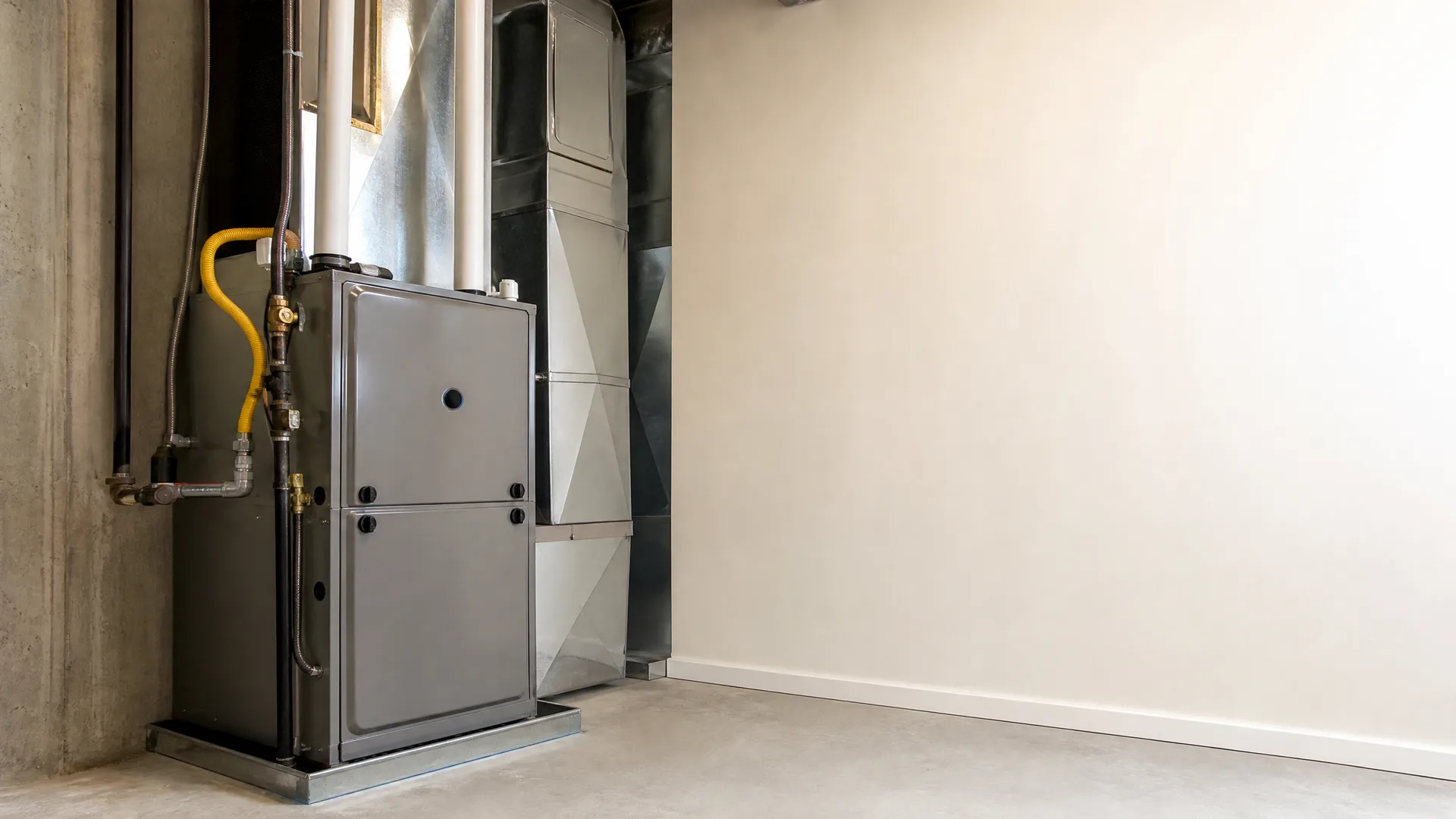
A gray gas furnace with attached yellow gas line, copper piping, white PVC vent pipes and sheet-metal ductwork stands against a wall in an empty basement room with a concrete floor.

Cold starts put ignition parts to work

Every time your furnace cycles on, the igniter has to heat up, the gas valve has to open, and the flame sensor has to confirm a flame within a few seconds. In a Billings winter that cycle might happen dozens of times a day. Each start is small wear on the same parts. A furnace that's run every winter for years has simply gone through that sequence more times, and that's usually where a no-light problem starts.

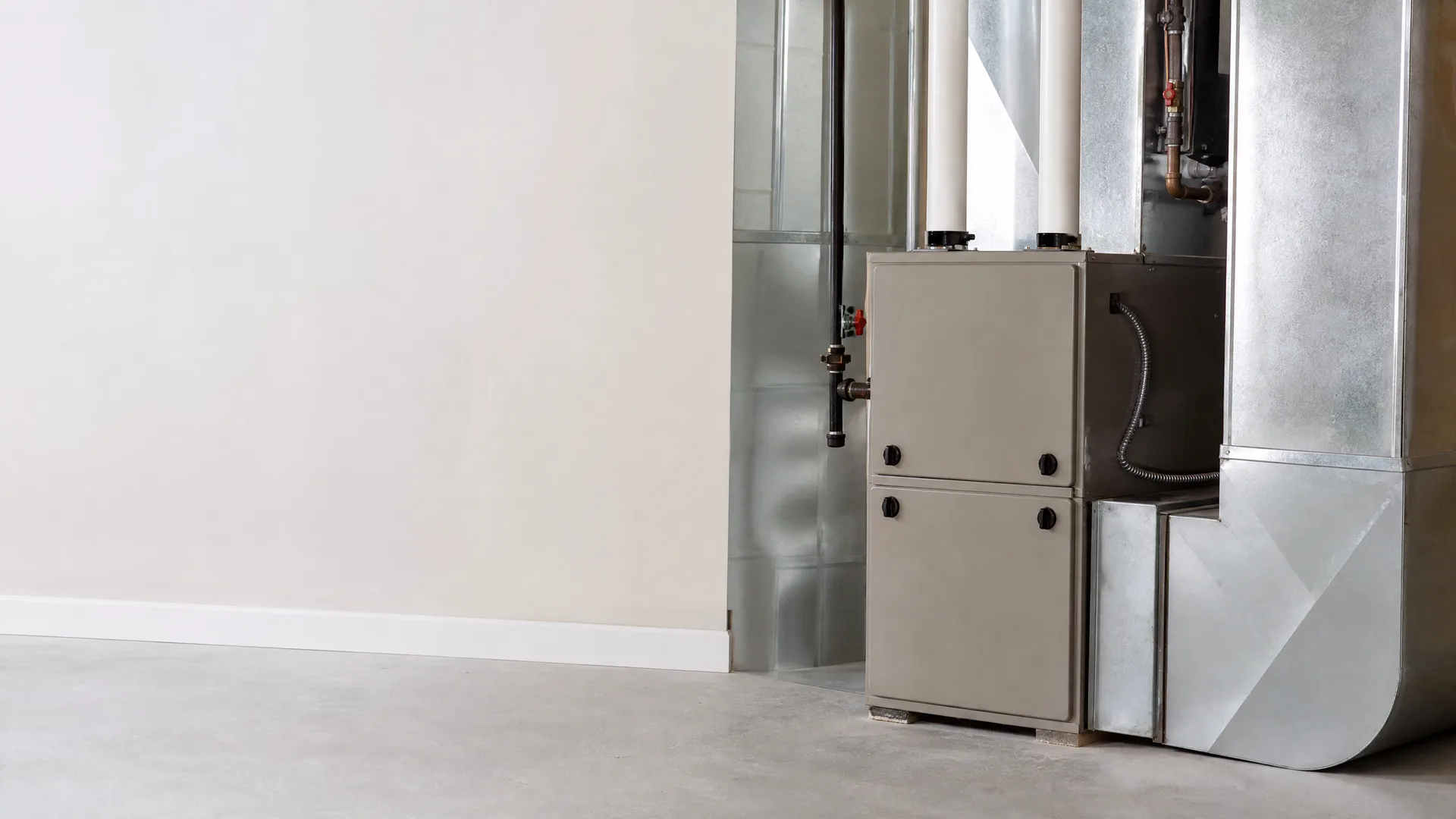
A beige high-efficiency furnace with white PVC vent pipes stands against a wall beside galvanized sheet-metal ductwork in an empty room with a concrete floor.

Why the sensor fails quietly

The flame sensor doesn't break so much as it gets dirty. Combustion leaves a light film on the rod over time, and that film insulates it just enough that the control board can't read a flame even when one is burning. The board responds the only way it's built to: it shuts the gas valve to prevent unburned gas from building up. From the thermostat, that looks like the furnace never lit at all.

What order do the igniter, gas valve and flame sensor actually fire in?

You want to know the actual sequence because the flame sensor explanation above makes sense, but you're trying to picture where things go wrong in your own furnace. Knowing the order helps you understand why a bad part early in the chain stops everything after it, and why the furnace can try, fail, and try again before it locks out.

Igniter first, then gas valve, then flame sensor confirms

The igniter glows hot first, usually a few seconds before anything else happens. Once the control board sees it's hot enough, it opens the gas valve and lets gas flow to the burners. The flame sensor then has to detect a flame within a few seconds of that, or the board shuts the gas valve again and tries the whole sequence over. Most furnaces allow a few of these attempts before they lock out and wait for a reset. So a furnace that clicks, lights briefly, and shuts off is usually failing at that last step, the flame sensor not confirming what the igniter and gas valve already did right.

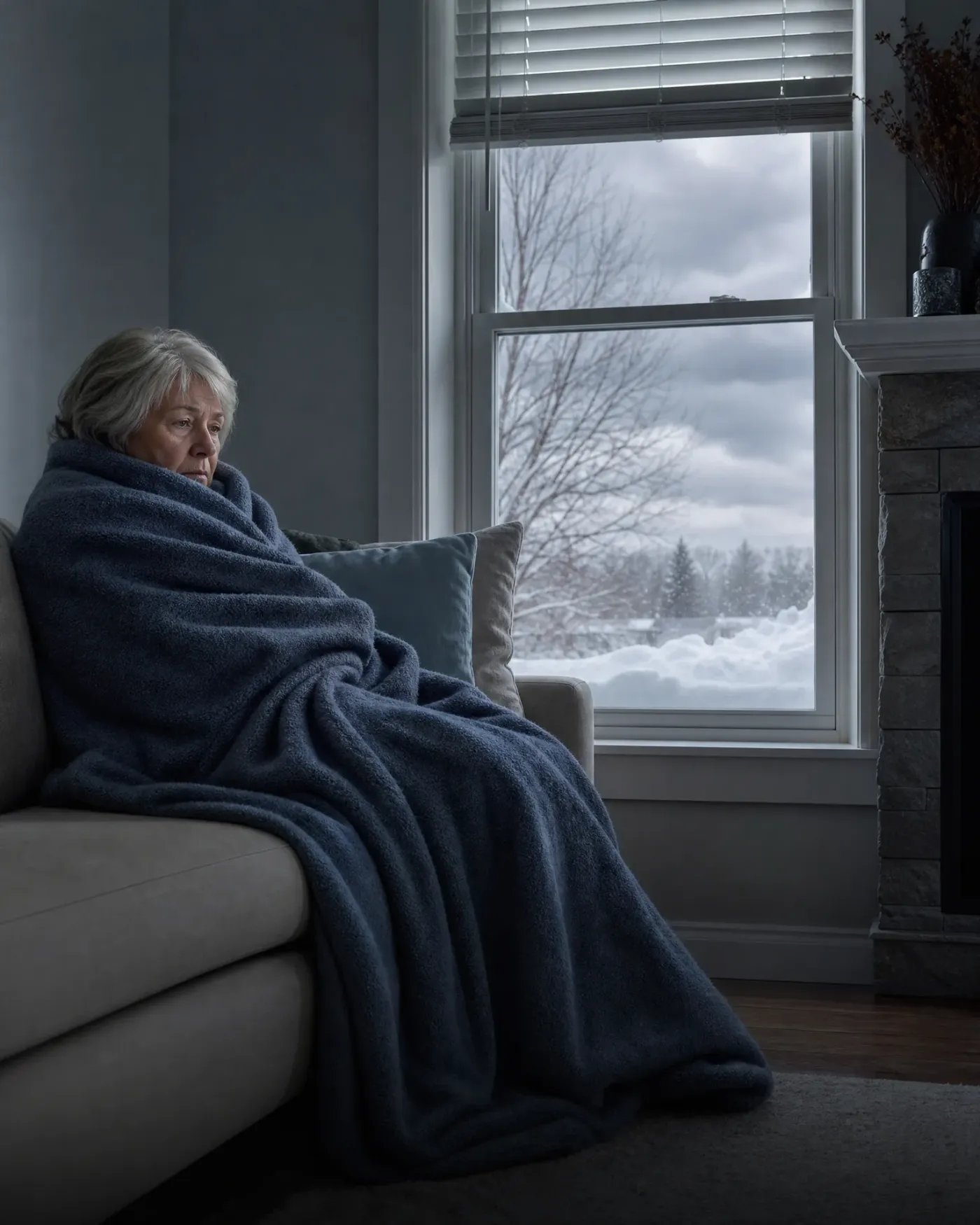
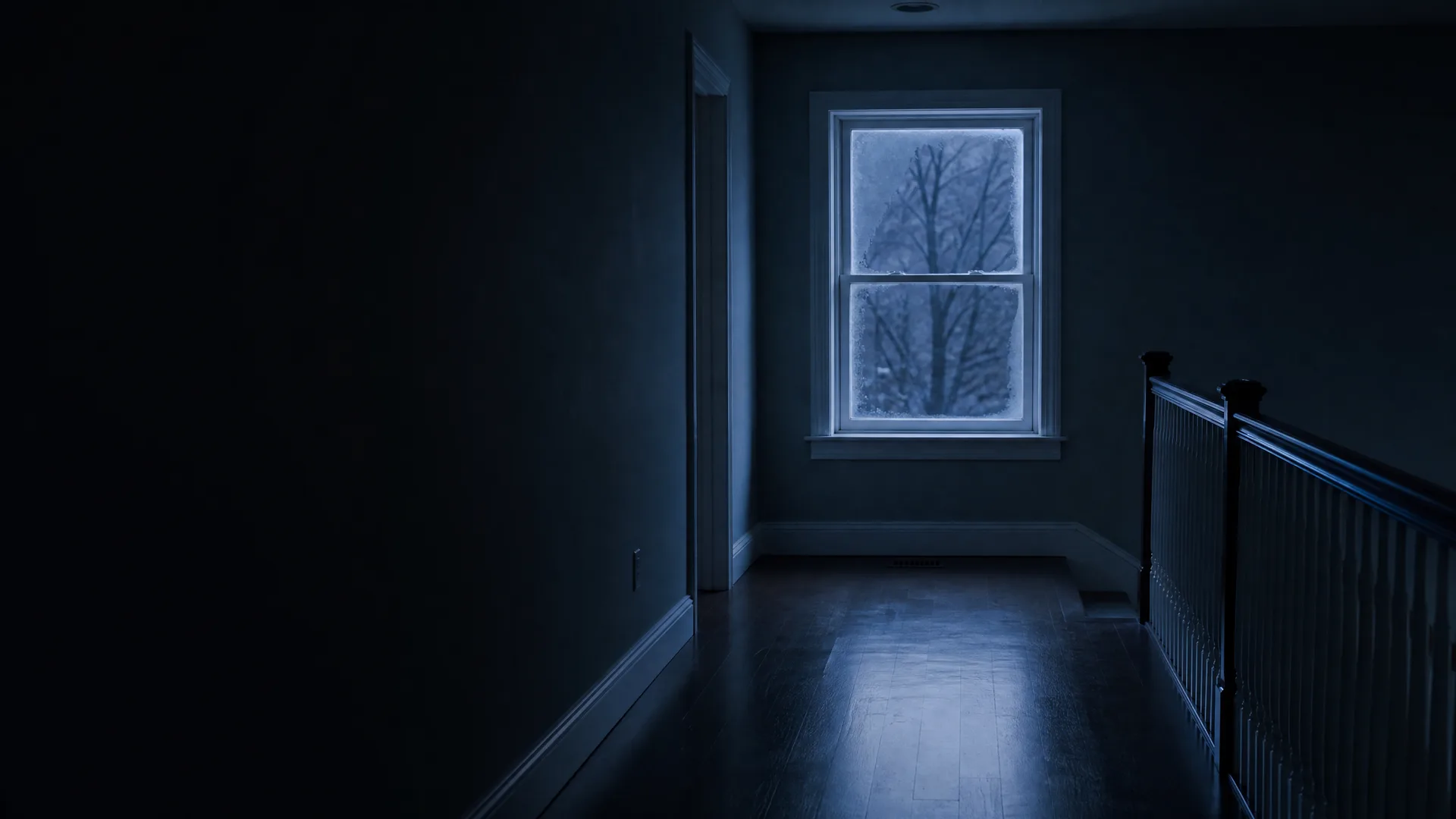
A dark interior hallway with a dark wood floor, a floor vent, a doorway on the left, and a stair railing on the right, lit only by a tall double-hung window showing bare tree branches outside.

It's two in the morning and the cold woke you before the house did. You go check on the kids and the hallway floor is colder than it should be. You stand over the vent and wait for the push of warm air and nothing comes. Outside the window frost has crept up from the corners of the glass, and the dim blue light from the street lamp is the only light in the hall. You check the thermostat. It's set right. The furnace just isn't answering. Once you get the request in, the part of this that's yours is done, and whoever shows up already knows what a Billings furnace does on a night like this.

Hand off the search today

A furnace that won't light rarely fixes itself by waiting it out, and in a Billings winter that wait has a cost. The longer a dirty flame sensor or a failing igniter keeps shutting the system down, the harder the furnace works on the cycles that do manage to light, and the colder the house gets while you're sorting out who to call. This is the kind of failure a local tech sees over and over in houses around Yellowstone County, where furnaces run hard for months and ignition parts take the wear. Send the request through and it goes to one contractor who already knows what tends to fail on a furnace that's been through a few Montana winters, not a queue of strangers bidding for the job. That's one less thing to manage on a night when the house is already cold and the kids are already awake.

A beige high-efficiency furnace in an unfinished basement, with white PVC vent pipes, a yellow gas line, metal ductwork, and exposed wood framing on a concrete floor.

Starting up the way it should

This is a furnace lighting the way it's supposed to. The igniter glows, the gas valve opens, the flame sensor confirms fire, and warm air moves through the ductwork above. No delay, no clicking, no smell of gas lingering in the basement.


An older beige furnace with two louvered vent panels stands on a concrete basement floor, connected to galvanized ductwork and a metal flue pipe, with gas piping and flexible conduit on the wall behind.

An older furnace working against itself

This one has sat through a lot of winters. The iron gas pipe and flexible conduit have done their job for years, but a flame sensor or igniter this age has seen thousands of cold starts. Eventually one of them stops answering.

An older gas furnace with two louvered front panels stands on a concrete basement floor beside galvanized sheet-metal ductwork, pipes, and a weathered concrete wall.
Before you get your furnace repair
A gray high-efficiency furnace in a basement, connected to sheet-metal ductwork on the left and white PVC vent pipes above, with black gas and drain piping and an exposed wood-stud wall with OSB sheathing on the right.
After you get your furnace repair

Waiting it out, you check the pilot light area every hour, reset the switch a few more times, and hope the furnace catches on its own before the house drops into the 50s.

Getting it looked at, a local contractor checks the flame sensor and igniter, finds the part that's failing, and has warm air moving through the ducts again the same visit.

A smiling man in a dark blue T-shirt sits on a light gray sofa in a living room with a wooden shelf and window behind him, with a laptop edge visible in the foreground.
A bearded man in a plaid flannel shirt sits indoors looking out a window at snow-covered trees, with a steaming mug on the sill and wooden kitchen shelves behind him.
A gray high-efficiency furnace with white PVC vent pipes stands against a concrete basement wall beside sheet-metal ductwork, a small condensate pump on the floor, and exposed wood framing at left.
A furnace venting and firing the way it was built to, flue pipes clear and the condensate line draining as it should.
A gray sheet-metal furnace with flue pipe and adjacent ductwork stands against a stone basement wall on a concrete floor, with white PVC and metal pipes running nearby.
A furnace crowded by gas lines and flex tubing in an older mechanical room, where a cracked line or loose fitting is harder to spot.
A smiling man in a navy long-sleeve shirt sits at a wooden table in a kitchen and dining area, with a ceramic mug, a potted plant, and a sliding glass door behind him.
A smiling bearded man in a green henley shirt stands at a kitchen island with a gray mug, looking off to the side, with a dining area and shelves blurred behind him.
A smiling bearded man in a navy sweater sits at a white kitchen island with a ceramic mug, with open shelves, potted plants and a range hood behind him.
A smiling man in a dark olive long-sleeve shirt sits in a kitchen beside a counter with a dark mug, with a dining table, sideboard and hallway visible in the blurred background.

Winter nights average 16°F

At 16 below zero on an average winter night, your furnace isn't cycling on and off anymore, it's running close to steady to keep up. That means more hours on the igniter and more chances for a dirty flame sensor to miss its signal. A furnace that's marginal in October can quit outright on a night this cold.

NOAA nClimDiv 1991-2020

Where this leaves you

  • A furnace that won't light almost always traces back to the flame sensor, the igniter or the gas valve.
  • A dirty flame sensor is the most common cause and often the quickest one to fix.
  • A furnace cycling on and off all night without catching will keep wearing down the same parts that already failed once.
  • A local contractor who works on furnaces all winter in Yellowstone County has seen this exact failure many times before.
  • Once you request a repair, you're matched with one licensed local contractor, not a string of callbacks from several companies.
  • Waiting out a cold start rarely solves anything and can leave the house colder before it gets warmer.

Most of the time a furnace that won't light comes down to the flame sensor, the igniter or the gas valve, and most of the time it's the flame sensor, coated with enough film that it can't confirm a flame to the control board. That's the part worth ruling out first, because it's often the cheapest fix of the three. The igniter and gas valve take more to diagnose, but the furnace itself tells a contractor which one is failing by how it behaves on a cold start.

What doesn't help is leaving it alone. A furnace that clicks, tries, and shuts down over and over through a Billings night is putting that same wear on parts that are already struggling. Waiting rarely turns into the furnace fixing itself, and more often it turns into a colder house by morning.

Yellowstone County winters put a lot of cycles on a furnace's ignition parts, and the contractors who work here see this exact failure often enough to know where to look first. Requesting a repair through this page matches you with one of them, a licensed local contractor, not a handful of companies competing for your callback. One person looks at your furnace, finds the part that's actually failing, and goes from there.

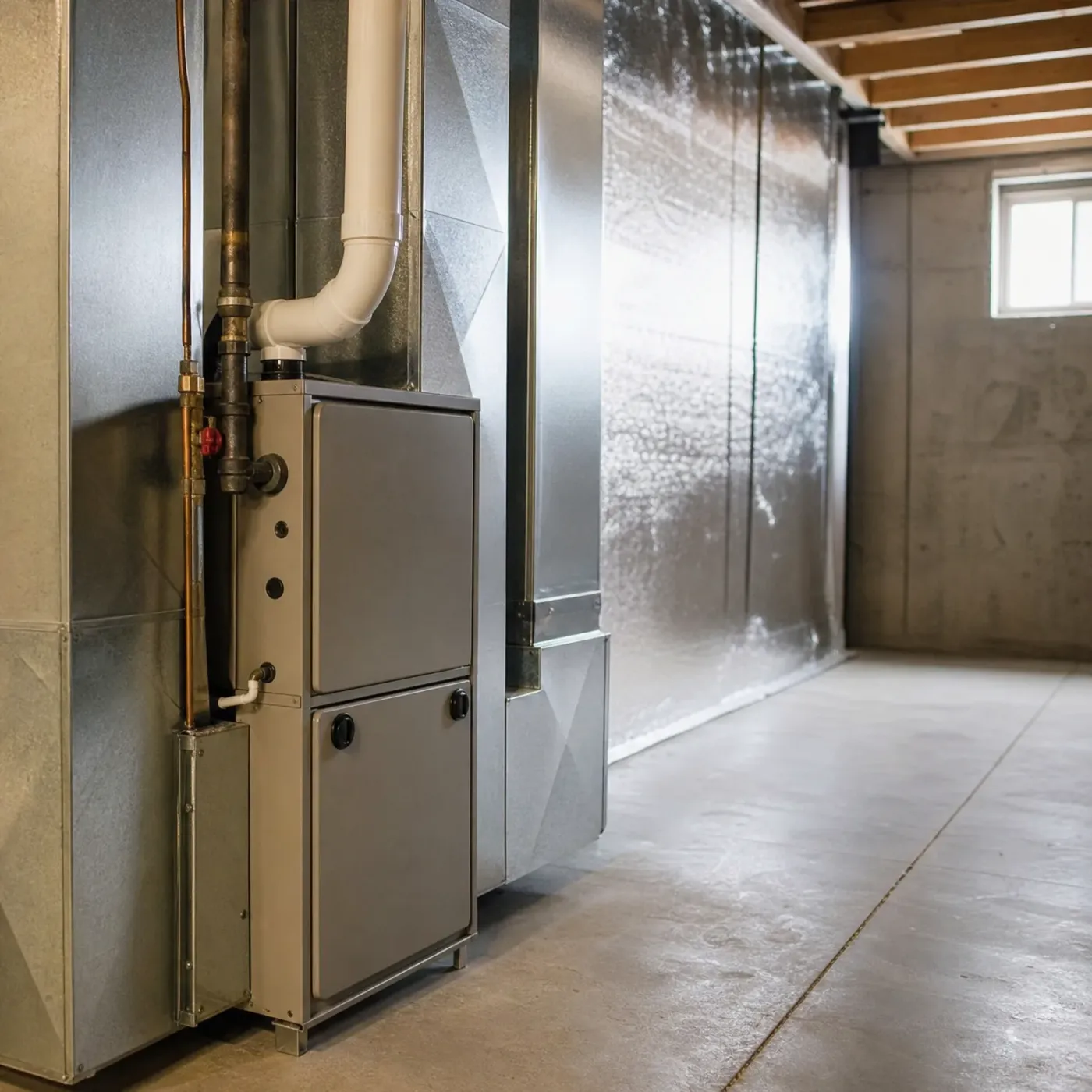
A gray furnace with a white PVC vent pipe and copper piping stands beside large galvanized sheet-metal ducts in an unfinished basement with concrete floor, concrete walls, foil-faced insulation, and a small window.

Hand off the furnace problem

Send my request

Only one pro gets your request, so you hear from one company.

There's no charge for the request.