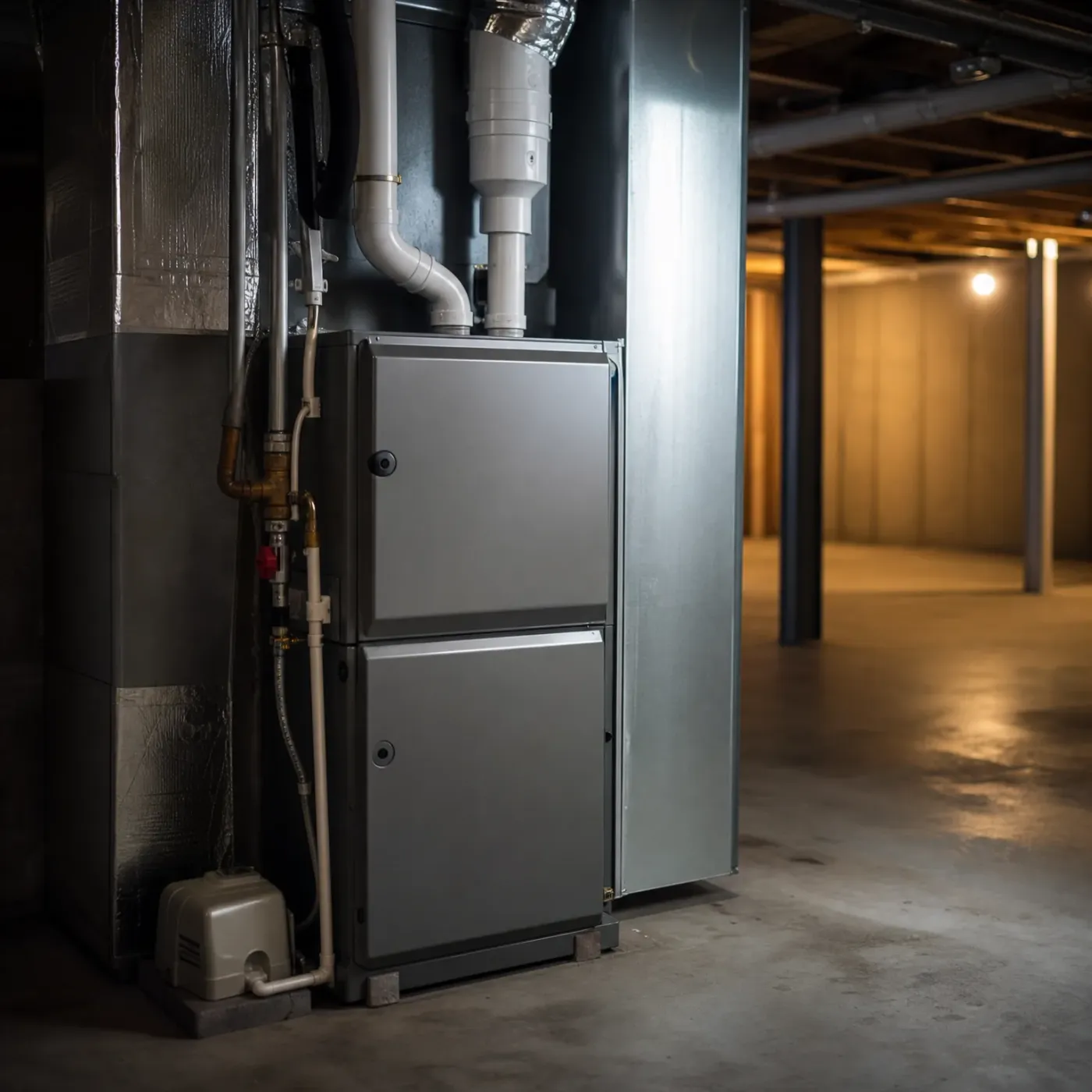
A gray high-efficiency furnace with PVC venting, copper and plastic piping, and a condensate pump sits beside sheet-metal ductwork in a concrete-floored basement.

Let someone else find the pro

Repair or replace a propane furnace in Fort Benton, MT

Your propane furnace is struggling or already out, and winter in Chouteau County doesn't leave much room to wait on an answer. This page walks through what usually decides repair versus replace: the furnace's age, what's failing, and what it costs to keep fixing versus starting over. Send the form and let a local contractor take it from there.

Hand off my installation

Most of the time, if your propane furnace is under ten years old and the problem is a single part like an igniter or a flame sensor, repairing it is the right call. Once a furnace passes fifteen years, or you're facing a cracked heat exchanger or a failed blower motor, replacement usually makes more sense, because the repair bills start stacking up on a unit that's already near the end of its life. In Chouteau County, that decision carries more weight than it would somewhere with mild winters. A furnace that quits in January here doesn't give you time to weigh options for long. Age and the specific failure are what decide this, not a guess. If the furnace is older and the failure is a major component, replacing it now avoids paying for a repair that only holds until the next one. If it's younger and the fix is minor, there's no reason to replace a furnace that still has years left in it.

A basement utility area with a gray furnace, sheet-metal ductwork, pipes, plastic-covered walls, a concrete floor, and a black shelving unit holding storage bins.

Repair: still running

A furnace like this is still worth fixing. The cabinet is clean, the venting and gas line are solid, and a failed igniter or flame sensor is a quick swap. If the furnace is under ten years old and this is the first real problem it's had, repair gets you through the rest of winter without a new install.

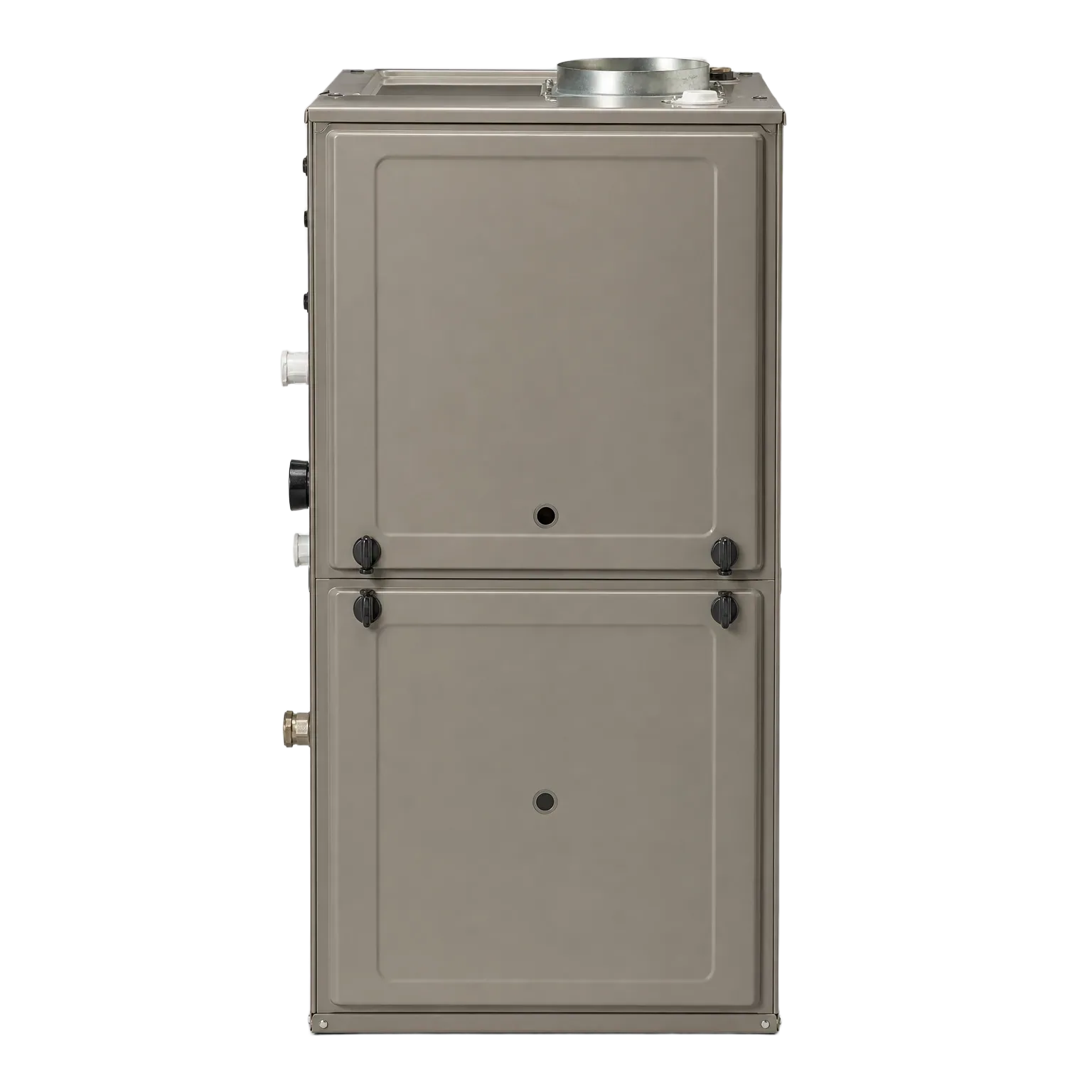
A gray metal furnace with louvered vent panels stands on a concrete basement floor beside galvanized ductwork, gas and plastic pipes, and foil-faced insulation along the ceiling and wall.

Replace: showing its age

Surface rust on the cabinet and a furnace this old are telling you something. Once the heat exchanger cracks or the blower motor goes, you're paying for a repair on a unit that's close to its last one anyway. At this point, most of what you'd spend fixing it goes toward delaying the replacement, not avoiding it.

Repair It or Replace It

Repair

  • A single failed part, like an igniter, flame sensor, or draft inducer motor, is a straightforward fix that gets the furnace back to normal.
  • If the heat exchanger, cabinet, and venting are all sound, there's no reason the rest of the furnace can't keep going.
  • A furnace under ten years old has most of its working life still ahead of it, so a repair protects that investment.
  • Parts for propane furnaces this age are easy for a local contractor to source, which keeps the furnace down for less time.
  • Repairing now and replacing later, when the furnace is actually at the end of its life, spreads the cost out instead of taking it all at once.

Replace

  • A cracked heat exchanger isn't a part you patch. It's a safety issue that means the furnace has to come out.
  • Past fifteen years, a propane furnace has usually cycled on and off through enough Chouteau County winters that more parts are close behind the one that just failed.
  • If the blower motor or control board goes on an older unit, the repair cost starts to rival putting in a new furnace that comes with a full warranty.
  • A new furnace burns propane more efficiently, which matters here since most homes in the area are heating with it all winter.
  • Replacing once, rather than repairing piece by piece, means you're not gambling on which part fails next during a cold snap.
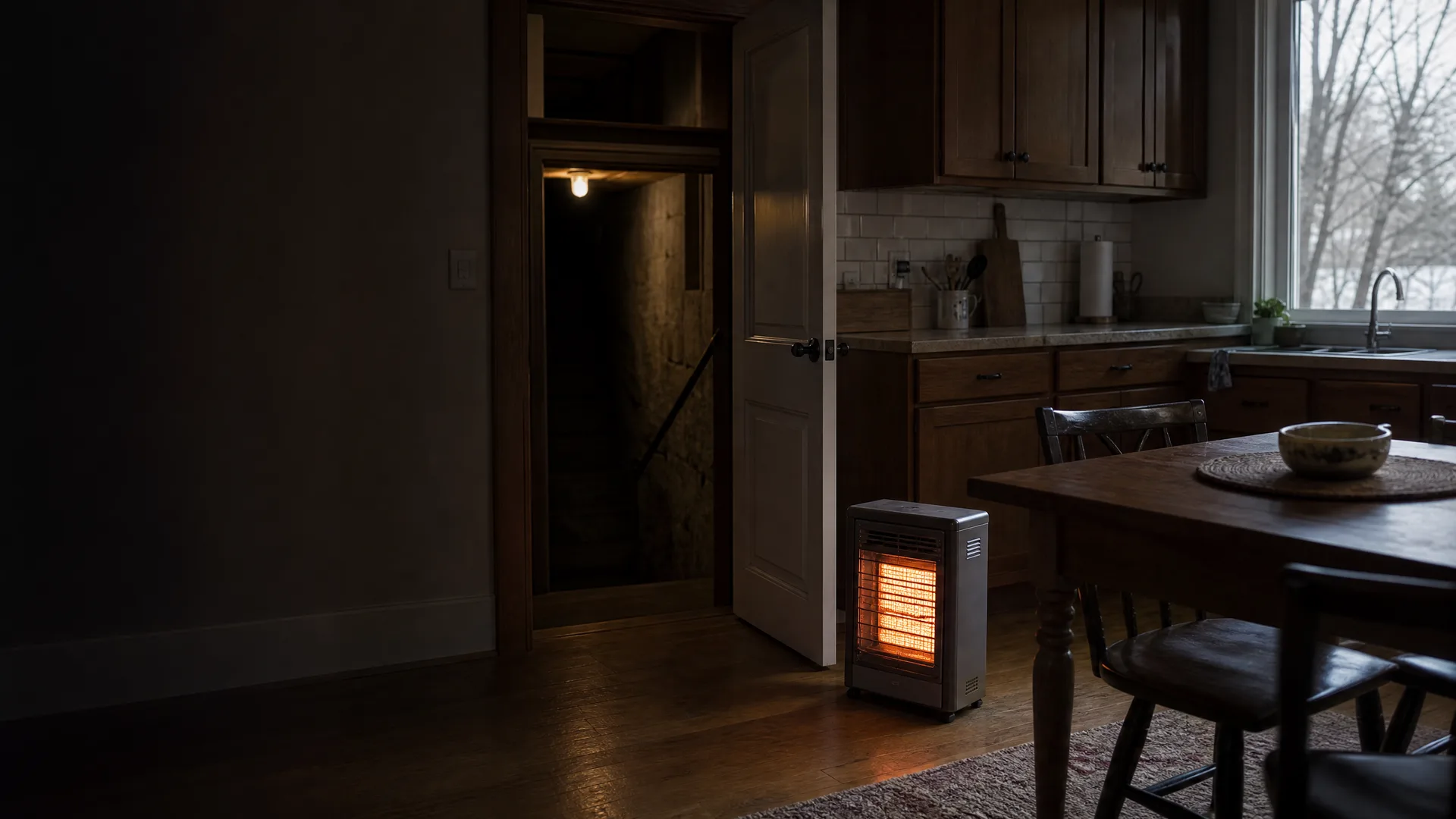
A dim kitchen and dining area with wood cabinets and table, an open door to a lit basement stairwell, and a portable space heater with glowing elements on the floor.

The space heater by the table has been running since five this morning, and it's doing most of the work the furnace used to do. You've got the basement door propped open, hoping some of that heat climbs the stairs on its own. Outside it's still dark, still deep into a Chouteau County winter, and the kitchen is the only room that feels right. You keep checking the thermostat out of habit, even though you already know what it says. The coffee's gone cold twice. At some point you stop listening for the furnace to kick on and just accept the quiet where that sound should be. Sending the form off your phone takes less time than the coffee did, and for the first time this morning, finding someone to look at it isn't a thing you have to carry around for the rest of the day.

One request and it's handed off

One installer gets your project, so there's no bidding war over it.

No fee to send it, and nothing to sign.

Why age changes the math

A propane furnace is built to run for fifteen to twenty years. Inside that span, the parts that fail (igniters, flame sensors, draft inducer motors) are the same parts that get replaced one at a time, and each swap buys you more years from a cabinet and heat exchanger that are still sound. Past fifteen years, you're not fixing a young furnace anymore. The heat exchanger has had that many winters of heating and cooling cycles working the metal, and a crack there isn't a part swap, it's a safety issue, because it can let combustion gas into the air the furnace is supposed to be warming. That's the point where a repair stops being a repair and starts being a delay.

What a cracked exchanger means here

A cracked heat exchanger takes the furnace out of service the same day it's found, because it's not safe to run until it's fixed. In Chouteau County, where propane is the main heat source and winter doesn't let up, that's not a problem you can sit with for a week while you decide. A contractor who works on these furnaces every winter has seen which models and which ages tend to crack first, and can tell you in one visit whether you're looking at a repair or a straight replacement. That's the advantage of having one local contractor look at it instead of piecing together an answer yourself.

A man in a navy sweater reclines with closed eyes in a beige armchair in a living room, with a lamp, wooden cabinet, bookshelf, potted plant, and a side table holding a newspaper and mug nearby.
A man in a blue henley shirt reclines on a leather chair with his eyes closed, beside a window, a houseplant, a side table with a newspaper and a dark mug.
A man in a gray sweatshirt reclines with his eyes closed in a dark leather chair, with a bookshelf behind him and a side table holding folded newspapers, a mug, and a potted plant by a window.
A man in a blue sweater leans back on a brown leather chair with his eyes closed and a slight smile, in a room with bookshelves, framed pictures, a potted plant by a window, a folded newspaper and a dark mug on a table.

When the furnace is out for the winter

A cracked heat exchanger means the furnace can't run safely, no matter how good the rest of it looks. A failed blower motor on a furnace already past fifteen years isn't worth matching with a new one. In both cases you're not choosing between repair and replace, you're choosing when to replace, and waiting until the coldest week of January to decide isn't a choice you want to make. Chouteau County winters don't give you room to live without heat while you weigh it over.

When it's one part, not the furnace

An igniter or flame sensor failing on a furnace that's seven or eight years old isn't a sign the furnace is done. It's a sign one part wore out, which is normal. The cabinet's sound, the venting's sound, the gas line's sound, and the rest of the furnace has years left in it. Fixing that part costs a fraction of a new installation and gets the same furnace running the way it always has. There's no reason to replace a furnace because one piece inside it failed.

A beige furnace with two access panels stands against a concrete basement wall, with galvanized sheet-metal ductwork, a white PVC pipe, flexible conduit and insulated ducting around it.
Before you get your furnace installation
A gray furnace with white PVC vent pipes stands beside sheet-metal ductwork in a basement with a smooth concrete floor, exposed wood framing, and plastic sheeting on the walls.
After you get your furnace installation
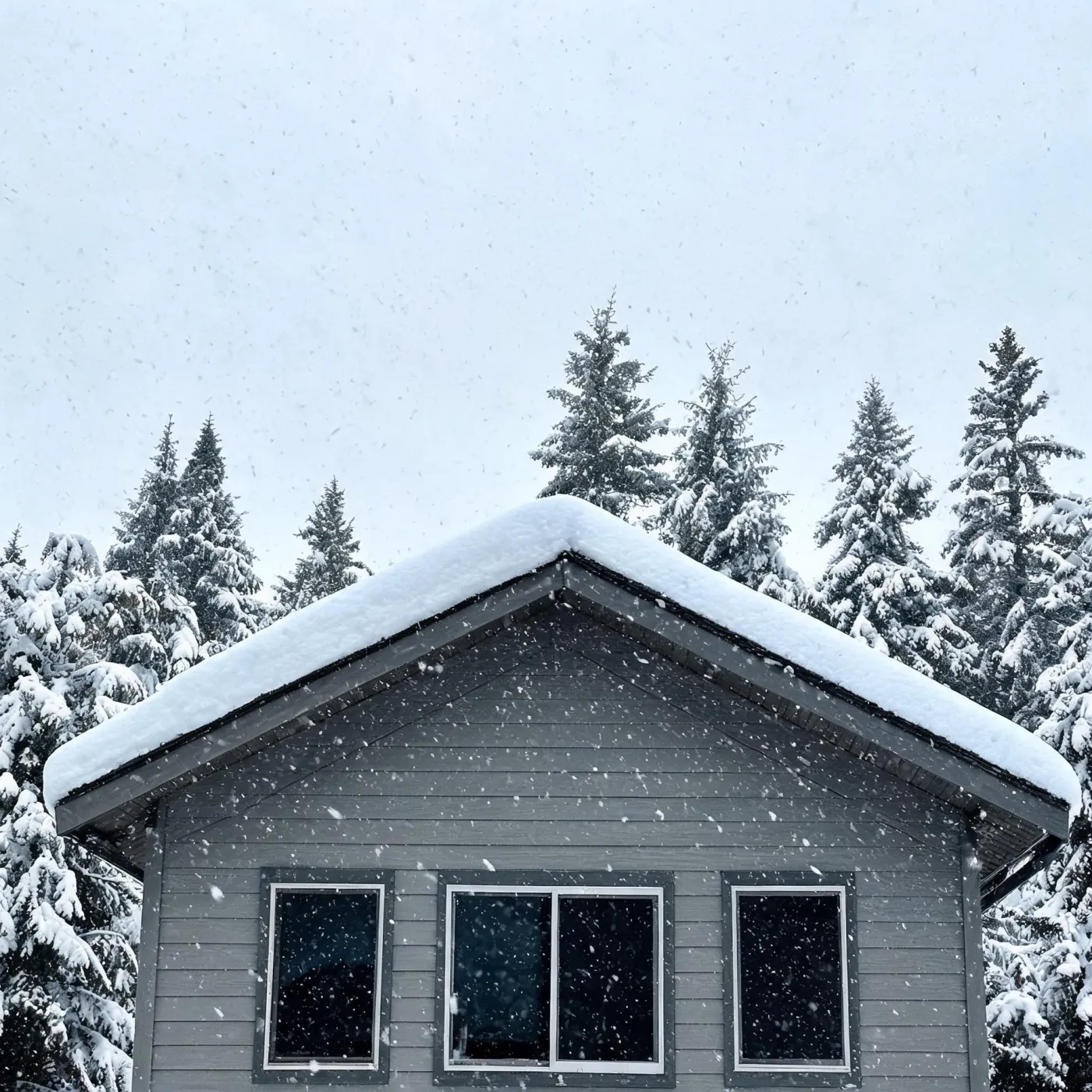
Gable end of a gray horizontal-siding house with three dark windows, its roof covered in thick snow, surrounded by snow-laden conifers under a pale sky with falling snowflakes.

A furnace in Chouteau County doesn't idle much once December hits. Overnight lows here average 12°F across December, January and February, according to NOAA climate data, and that's the temperature your furnace is working against for a good chunk of the night, every night, for three months straight. A furnace that's already struggling with a weak igniter or a tired blower motor doesn't get a break to recover. It just keeps getting asked for more than it can give, and that's usually when a short cycle turns into no heat at all, right when you need it most.

NOAA nClimDiv 1991-2020

A gray-haired man with a beard in a blue button-placket shirt reclines on a couch with his eyes closed, beside a sunlit window with a green plant.
A woman in a cream knit sweater sits in an armchair with her eyes closed near a window showing yellow autumn foliage, with a mug on a round wooden side table beside her.

Winter nights average 12°F

At 12 below zero, a furnace can't cycle lightly. It has to run long stretches just to hold the house steady, and that load falls hardest on whatever part is already weak. If yours is struggling now, it's not going to get easier before spring.

NOAA nClimDiv 1991-2020

Age and what's broken decide it

  • A furnace under ten years old with one failed part, like an igniter or flame sensor, is almost always worth repairing.
  • A cracked heat exchanger or a furnace past fifteen years is the point where replacing makes more sense than another repair.
  • Overnight lows averaging 12°F across December, January and February mean a weak furnace has no easy months to coast through.
  • A local contractor who services propane furnaces in Chouteau County every winter knows which parts tend to fail first in this cold.
  • Requesting a match connects you with one licensed local contractor instead of a handful of companies competing for your callback.
  • Whether the answer is a repair or a new furnace, the decision comes down to the same two things: the furnace's age and what's actually broken.

The answer was never complicated. A furnace under ten years old with a bad igniter or flame sensor gets fixed, because the part is cheap to replace and the rest of the furnace still has years in it. A furnace past fifteen years with a cracked heat exchanger or a failed blower gets replaced, because there's nothing left worth protecting with another repair. Everything in between comes down to checking those two things against each other: how old the furnace is, and what part actually failed.

That math doesn't change because of how cold it gets in Chouteau County, but the stakes do. Overnight lows average 12°F across December, January and February here, and a furnace running on a weak part has to work through that without much of a break. There's no month where it gets to coast.

Finding someone to look at it shouldn't add to the work. A contractor who services propane furnaces in this county every winter has already seen what tends to go first in this kind of cold, whether that's an igniter on a ten-year-old unit or a heat exchanger on one that's been running since before that. Sending a request connects you with one licensed local contractor, not a handful of companies calling you back at once. Once that's sent, the job of finding someone is off your plate.

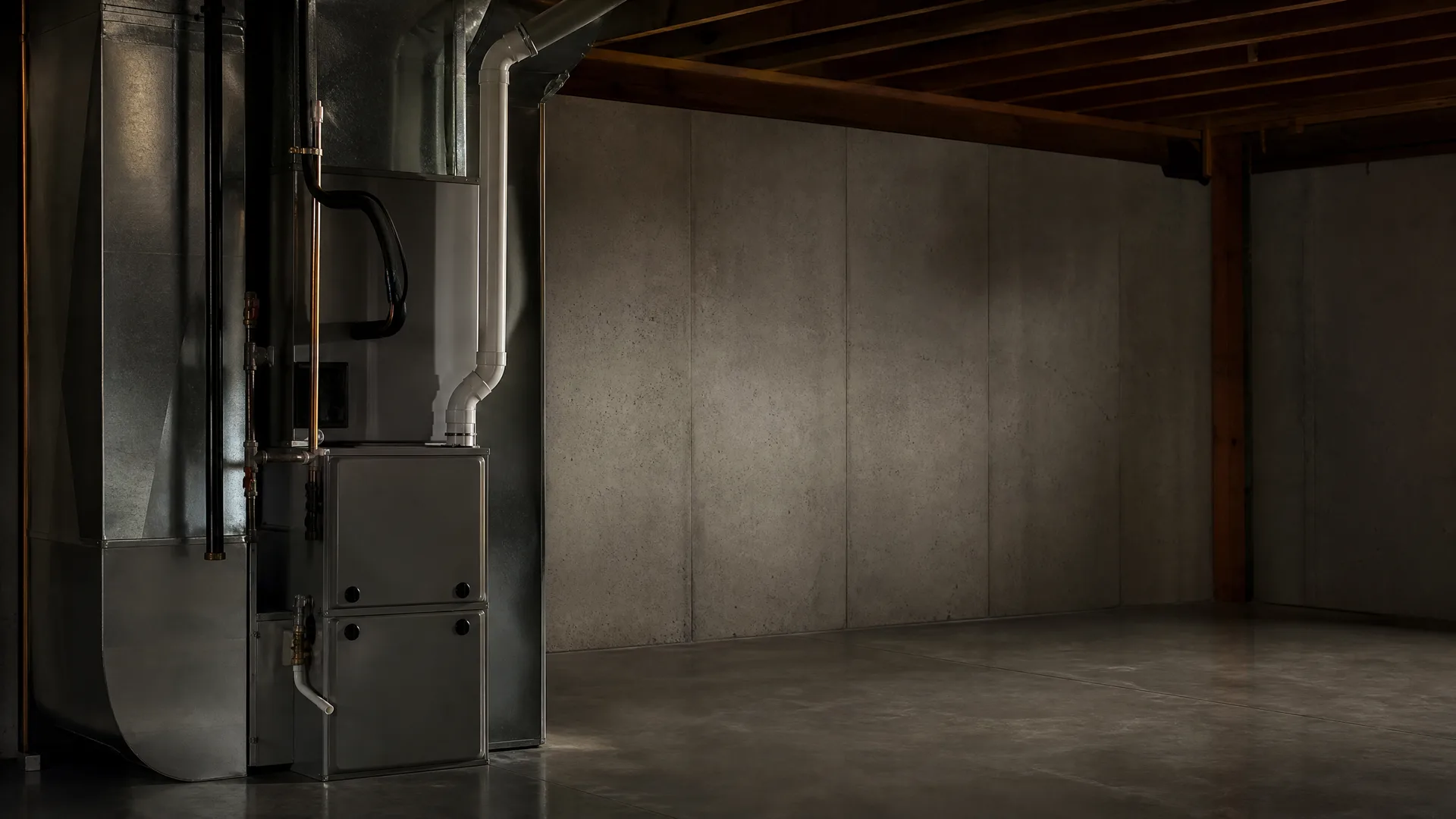
A dimly lit basement with concrete floor and walls, exposed wood joists, and a furnace with sheet-metal ductwork and copper piping on the left side.

Done looking for a furnace pro

Your request stays with one local pro.

New system or replacementFurnace or heatingChouteau County, MT
Step 1 of 2

What ZIP code is the job in?