15 years
Past this age, a propane furnace in Superior is usually cheaper to replace than to keep repairing, since more than one part is wearing out at once.

A propane furnace in Superior is worth repairing if it's under 15 years old and the repair is a single part: an igniter, a flame sensor, a draft inducer motor. Past that age, the heat exchanger and other parts are wearing down together, and a repair now usually just buys time before the next one. Winters here are hard, and most homes run on propane, so a furnace that fails in January or February needs to come back fast or get replaced fast, not sit while you weigh options. If yours is older and the repair involves the heat exchanger or the blower motor, replacing it makes more sense than paying to fix a furnace that's near the end anyway. If it's a newer furnace, a repair almost always makes sense first. Either way, the decision comes down to the age of the unit and what part has failed, not guesswork.

When your furnace calls for heat, the inducer motor spins up first and has to satisfy a pressure switch before anything else happens. Only then does the igniter glow or spark, and the flame sensor has to confirm a real flame before the gas valve stays open. If that sensor is dirty, the furnace will light and quit within seconds. That's the furnace protecting itself, not breaking down. A bad inducer shows up differently: the furnace won't fire at all, because the gas valve never gets permission to open. The burner orifices matter too. Propane burns hotter than natural gas, so they're sized for it, and they're not interchangeable with natural gas parts. The one repair that ends the conversation is a cracked heat exchanger. Once that cracks, exhaust can mix into the air moving through your house, and a furnace gets condemned rather than patched. Age plays into all of this. Past 15 years, a furnace was likely built to an older efficiency standard, so even one still running is probably burning more propane than it needs to for the same heat.


Past this age, a propane furnace in Superior is usually cheaper to replace than to keep repairing, since more than one part is wearing out at once.
A furnace that struggles in Mineral County cold now will likely fail on the coldest night, not before it.
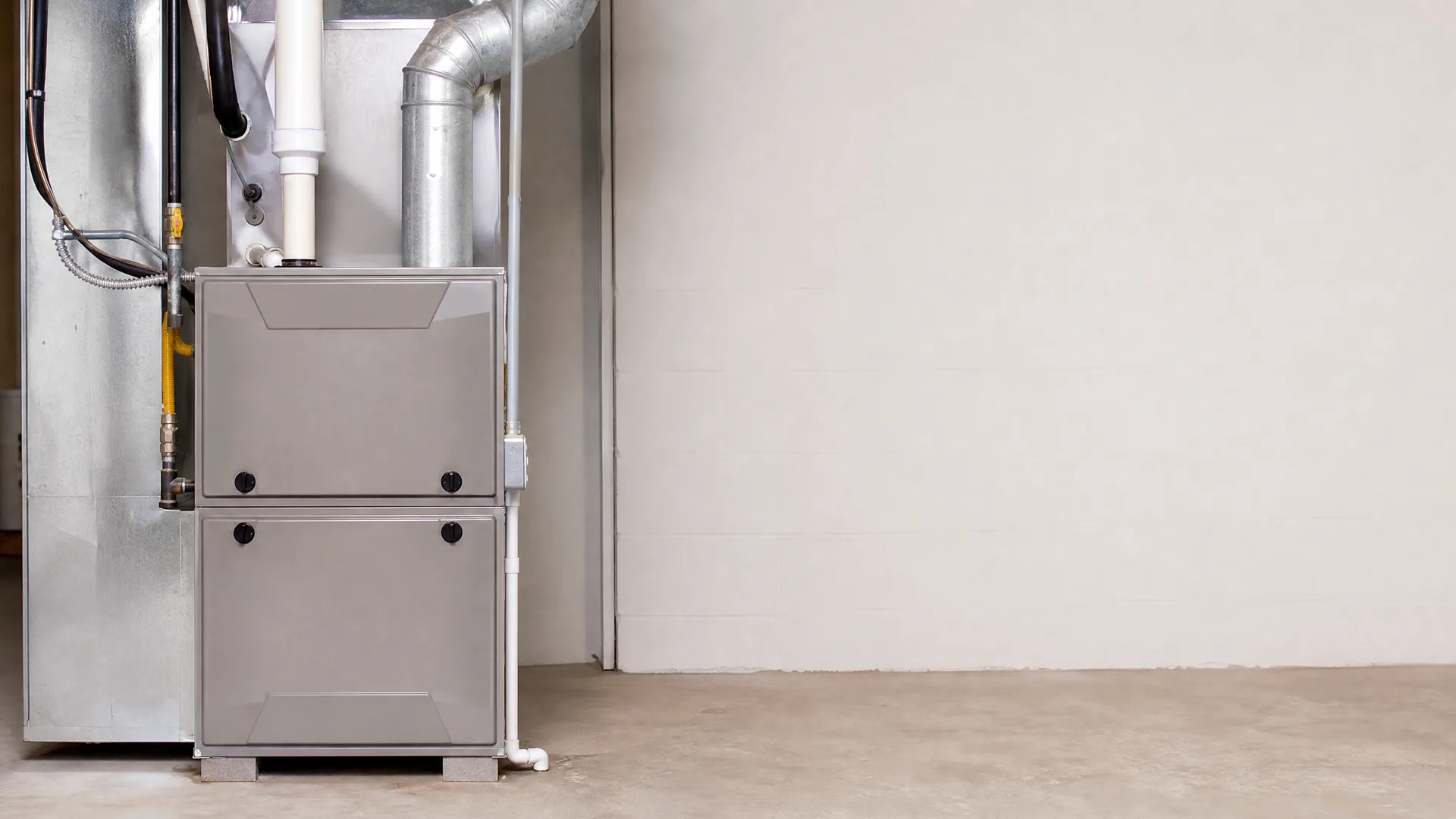
If your furnace fires and then shuts off, or won't catch at all, that's usually the igniter or the flame sensor losing its signal. You'll notice short cycling or no heat at all while it still runs through its startup motions. In Mineral County, a furnace down for even a day during a cold stretch means pipes and rooms losing heat fast, so a stalled ignition isn't something to wait out.
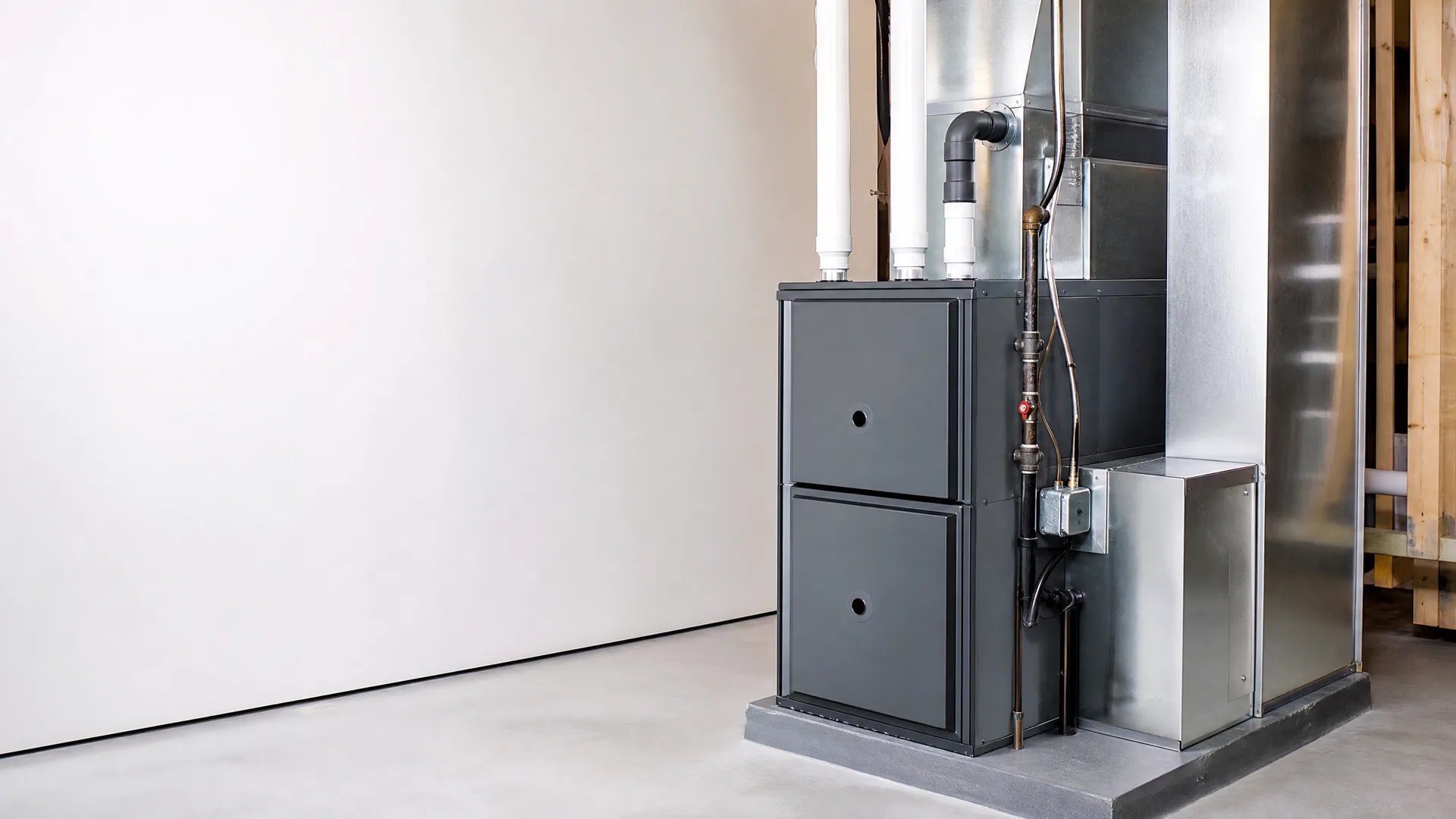
Propane isn't cheap to run through a system that's lost efficiency. A furnace nursing a worn heat exchanger or a tired blower motor burns more propane to push out the same heat, and you'll see that on your next delivery. Past 15 years, repairs start stacking up instead of solving the problem, and each one is money spent on a furnace that's still getting weaker. A full replacement stops that slide instead of slowing it.
Maybe it's running longer than it used to, or kicking on and off more than it should. Maybe you're hearing a rattle from the cabinet, or a burner smell that wasn't there before. A furnace near the end of its life often keeps working while it struggles, so the signs show up as a cold room upstairs, a higher propane bill, or a pilot light that won't hold. None of that means it's done. But in Mineral County, where winter doesn't give you much room to wait, a furnace that's already straining is one hard cold snap from leaving you without heat. Worth knowing which it is before that night comes.
Thermostat calls for heat and opens the gas valve circuit
Draft inducer motor spins up to clear the exhaust path
Igniter glows hot or sparks to light the burners
Flame sensor confirms the burners caught and stays lit


Deciding between repair and replacement is only half the job. The other half is finding someone in Mineral County who can look at the furnace, tell you straight what's wrong, and do the work right, whether that's swapping an igniter or putting in a new unit before the cold really sets in. That usually means calling around, explaining the same problem to several contractors, waiting on quotes, and trying to judge who actually knows propane furnaces versus who's guessing. With a furnace down or failing in a Superior winter, that's time you don't have to spare, and a house that gets harder to heat while you sort it out. Send the form above and that search stops being yours to run. You get matched with one contractor suited to the job, and the comparing, the callbacks, and the repeating yourself are off your plate. What's left is getting your heat back, whichever way this furnace needs to go.
If the furnace is still under 15 years old and it's one part causing the trouble, riding it out through this winter makes sense. You keep the upfront cost down and the furnace back to normal once that one part is swapped. The risk is timing. A part can fail on the coldest night of the year, not a convenient one, and in Mineral County that means hours without heat while you track down someone who can get to it fast.
If the furnace is past 15 years, or this is the second or third repair in a couple winters, replacing it now means you're not gambling on what fails next. A new furnace goes into winter with every part fresh, not just the one that broke last time. It costs more upfront than a repair, but you're done weighing which part to fix next and whether this is the year the heat exchanger goes too.
Winter nights average 20°F
Winter nights average 20°F, so your furnace is working against a hard pull most nights, not just on the coldest ones.
Heat runs September through June
Heat runs September through June here, which leaves a furnace in Mineral County only two months a year to sit idle and cool down.
44% of homes heat with propane
44% of homes in Mineral County heat with propane, more than any other fuel, so a furnace that quits here is the main thing standing between you and warmth.
NOAA nClimDiv 1991-2020 · ACS 2020-2024
Before: waiting out a furnace that's already struggling means risking a breakdown on one of those 20°F nights, with no heat until you can get someone out to look at it.
After: a working furnace means you stop checking the forecast with a knot in your stomach, and the only thing left to think about is whether the thermostat's set where you want it.
That's the average, not the coldest night you'll see. Your furnace has to recover that fast when the door opens or the house cools overnight, not just hold steady, so a weak furnace shows its limits long before January's worst week hits.
NOAA nClimDiv 1991-2020

A single failed part on a furnace under 15 years old is a repair. Past that age, with the heat exchanger and other parts wearing down together, replacement is the one that holds up through a Mineral County winter. That's the whole answer, and what your furnace is doing right now tells you which side of it you're on.
Getting there is the other half of it. Instead of calling around Superior for someone who can look at the furnace, explaining the rattle or the short cycling over and over, and sorting through quotes to see who's telling it straight, you send one form. From there, finding someone to do the work right is off your plate.

Answer a few questions instead of calling shop after shop.
There's no charge for the request.